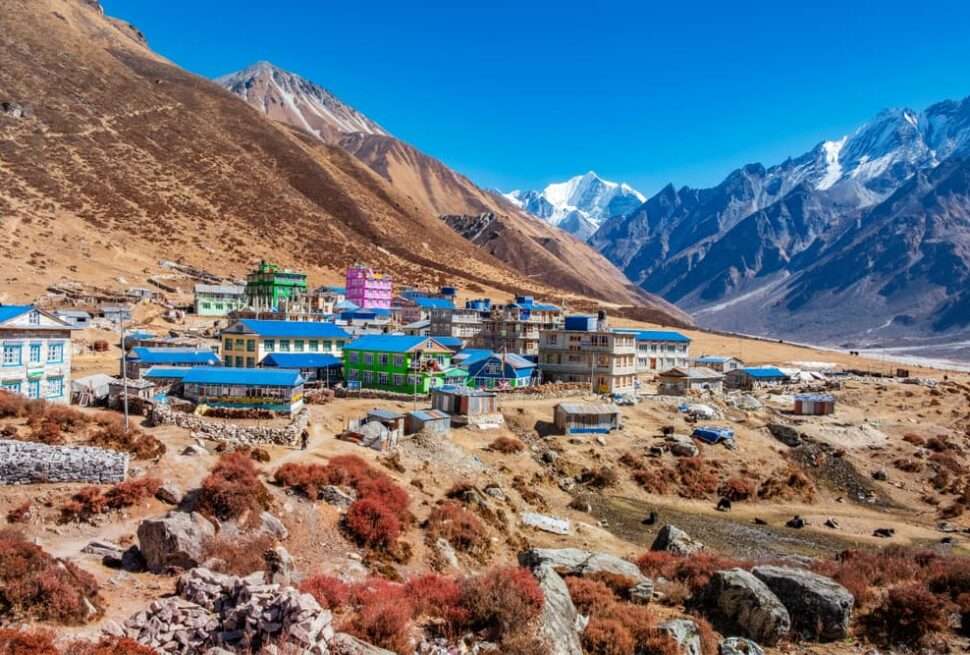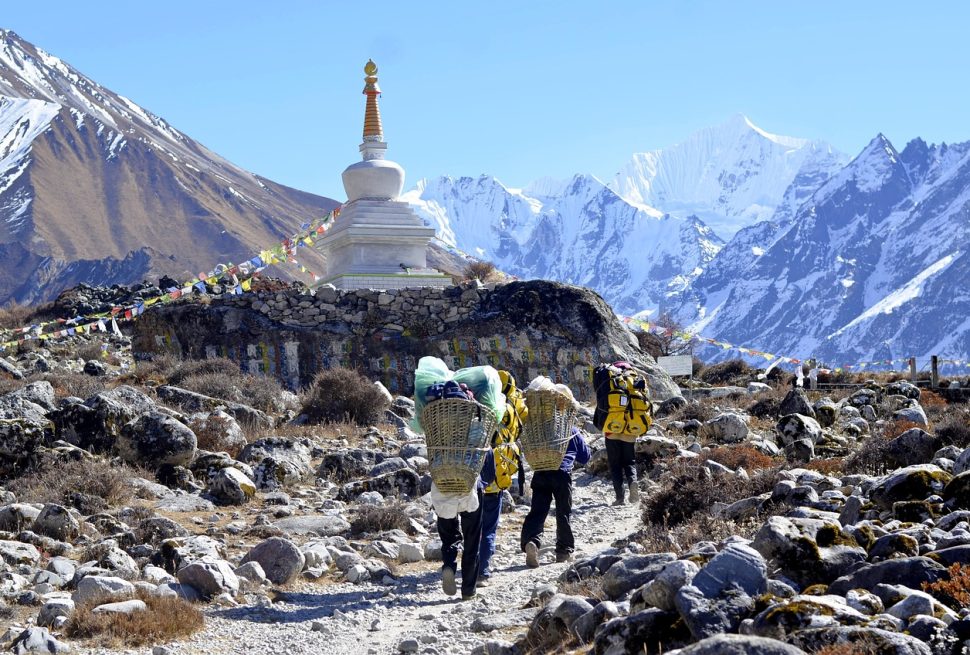

Packing for a trek in Nepal is not the same as packing for a normal hiking trip, and most first-timers learn that the hard way somewhere around 3,500 meters. You can start a trail in Kathmandu wearing a t-shirt and end the same day wrapped in a down jacket because the temperature dropped fifteen degrees after lunch. This guide breaks down exactly what to pack for trekking in Nepal, season by season, so you are not the trekker borrowing a spare fleece from a stranger at a teahouse. Whether you are heading toward Everest Base Camp, the Annapurna Base Camp Trek, or a shorter route like the Ghorepani Poon Hill Trek, your gear list changes depending on the month, the altitude, and how many days you will spend above the treeline.
At Trekkers Trek Nepal, our guides pack these trails every single week of the year, and this Nepal trekking gear guide is built from what actually works on the ground, not from a generic list copied off a outdoor retailer’s website. We cover layering systems, footwear, seasonal swaps for spring, autumn, winter, and monsoon, and the small items that trekkers forget until they are three days deep into the Himalayas. If you are planning a trek in Nepal for the first time, this packing list will save you from overpacking, underpacking, and everything in between.
Why Packing Right for Nepal Trekking Depends on the Season
Nepal does not have one climate. It has several, often on the same trail within the same week. A trek toward the Langtang Valley in April feels completely different from the same route in December, even though the distance and elevation gain barely change. Temperature swings of 20 to 25 degrees Celsius between midday sun and nighttime cold are normal above 3,000 meters, and that single fact drives almost every packing decision on this list. Trekkers who ignore seasonal packing usually end up either freezing at high camps or hauling ten extra kilograms they never touch.
Rain patterns shift the packing list too. Monsoon season soaks the lower trails from June through August, while winter turns high passes on routes like the Annapurna Circuit Trek into snow-covered terrain that demands different footwear entirely. Your trekking gear needs to match not just the season, but the specific region and altitude profile of your chosen trail. A packing list built for the Mardi Himal Trek at 4,500 meters looks different from one built for a gentle three-day walk near Pokhara. This is exactly why a season-by-season gear guide matters more than a single, one-size-fits-all checklist.
How Elevation Changes What You Need to Pack
Elevation changes the air temperature by roughly six degrees Celsius for every 1,000 meters you climb, and that math adds up fast on a trek toward high-altitude destinations like Upper Mustang or the Everest region. A base layer that felt unnecessary at Lukla will feel essential at Namche Bazaar just two days later. Wind speed increases at altitude too, which means a jacket rated for cold but not for wind resistance will leave you shivering on exposed ridgelines. Trekkers heading above 4,000 meters need gear that handles cold, wind, and sudden weather shifts within the same afternoon.
Sleep temperatures drop even further than daytime temperatures, so your sleeping bag rating matters as much as your jacket choice. A three-season sleeping bag works fine on lower routes, but anything above 4,500 meters calls for a bag rated to at least minus 15 degrees Celsius. Many trekkers underestimate how cold teahouse rooms get once the sun sets, since these lodges rarely have heating beyond a single stove in the dining hall. Packing the right sleep system prevents a miserable night that can ruin the next day’s climb.
Spring vs Autumn Packing Differences for Nepal Treks
Spring and autumn both count as peak trekking seasons in Nepal, but they pack differently in a few key ways. Spring, running roughly from March to May, brings warmer daytime temperatures and rhododendron blooms along mid-altitude trails, so lighter layers work well below 3,500 meters. Afternoon clouds build up more often in spring, which means a reliable rain shell earns its place in your bag even outside monsoon months. Dust on lower trails also increases in spring, so a buff or scarf for your face becomes more useful than you might expect.
Autumn, from September to November, offers the clearest skies of the year and colder mornings even at moderate elevation. Pack slightly warmer layers for autumn treks than you would for spring, especially if your route climbs above 4,000 meters during October or November. Visibility tends to be sharper in autumn, which rewards trekkers who bring a proper camera setup rather than relying only on a phone. Both seasons remain excellent choices for treks like the Annapurna Base Camp Trek – 9 Days, but your gear list should shift slightly based on which window you choose.
Essential Nepal Trekking Packing List by Layer System
Every experienced trekker in the Himalayas builds their kit around a layering system rather than a handful of heavy items. Layering lets you adjust to temperature swings throughout the day without carrying excess weight or sweating through your clothes on a climb. The three core layers are a moisture-wicking base layer, an insulating mid layer, and a weatherproof outer shell. Nail these three categories and almost every other packing decision becomes easier.
This system works whether you are on a short trip like the Kathmandu City Tour combined with a few trekking days, or a longer expedition through the Everest region. The goal is flexibility: add layers when the wind picks up, strip them off during a steep climb, and never carry a single jacket heavy enough to handle every condition alone. That single heavy jacket approach almost always backfires once you are sweating on an uphill stretch in full sun.
Base and Mid Layers for Himalayan Trekking
Base layers sit against your skin and their only job is moving sweat away from your body, so merino wool or synthetic materials work far better than cotton. Cotton holds moisture and dries slowly, which turns dangerous once temperatures drop after sunset. Pack at least two lightweight base layer tops and two bottoms so you always have a dry set for sleeping. Merino wool resists odor better over multi-day treks, which matters when laundry facilities are limited to a bucket of cold water at a teahouse.
Mid layers trap the warm air your body generates, and a good fleece or lightweight down jacket handles this job well. Pack the following mid-layer items for most Nepal treks:
- One fleece jacket or lightweight synthetic insulated jacket for daytime layering
- One mid-weight down jacket for evenings and high-altitude sections
- Fleece or wool trekking pants for cold mornings and camp time
- A warm hat and gloves, even for treks that stay below 3,000 meters
Down jackets pack smaller and insulate better per gram than synthetic alternatives, but they lose warmth if they get wet. Trekkers heading through monsoon-affected trails or unpredictable spring weather should consider a synthetic insulated jacket instead, since it retains some warmth even when damp.
Outer Shell and Insulation for High-Altitude Nepal Treks
Your outer shell blocks wind and rain, and this single item matters more on exposed ridgelines than almost anything else in your bag. A waterproof, breathable jacket with sealed seams handles both sudden downpours and the biting wind common on passes above 4,000 meters. Pair it with waterproof trekking pants, especially if your route crosses through monsoon season or includes any river crossings. Cheap, non-breathable rain gear traps sweat inside and leaves you just as wet as if you had no jacket at all.
For treks that climb toward extreme altitude, such as sections of the Everest region or high passes on longer circuits, pack a heavier down jacket rated for temperatures well below freezing. Trekkers attempting routes above 5,000 meters, including high viewpoints near Everest Base Camp, should not compromise on this item. A quality down jacket costs more upfront, but a cheap one that fails at altitude turns into a serious safety problem rather than a minor discomfort.
Season-by-Season Gear Guide for Trekking in Nepal
This section breaks the season-by-season gear guide down by exact month ranges so you can match your packing list to your travel dates. Nepal’s trekking calendar splits into four fairly distinct windows: spring, autumn, winter, and monsoon. Each season demands a different balance of insulation, rain protection, and sun coverage. Cross-reference this with your chosen route, since altitude still overrides season on treks that spend multiple nights above 4,000 meters.
Trekkers combining multiple trip types, such as a cultural stop in Kathmandu followed by a mountain trek, should pack for the more demanding leg of the journey rather than the easier one. It costs nothing extra in comfort to carry a warm layer you barely use on a lowland day, but it costs a great deal to be missing one at altitude. Below is the detailed month-by-month breakdown.
Packing List for Spring Treks (March–May)
Spring trekking in Nepal rewards trekkers who pack for variable weather rather than consistent warmth. Days start cool, warm up significantly by midday, and often cool down again with afternoon cloud cover. Pack these items specifically for a spring trek:
- Two to three moisture-wicking t-shirts or base layer tops for warmer lower-altitude days
- A lightweight fleece and a packable down jacket for temperature swings
- A wide-brimmed hat or cap plus sunglasses rated for high-altitude UV exposure
- Lightweight rain shell for unpredictable afternoon showers
- Sunscreen with a high SPF rating, since UV exposure intensifies with elevation
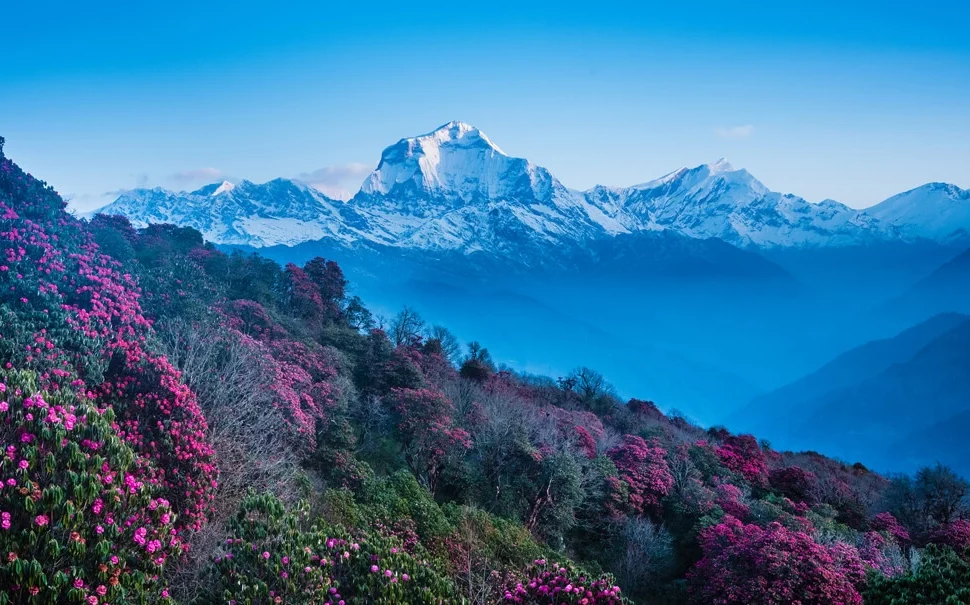
Routes like the Ghorepani Poon Hill Trek shine in spring thanks to rhododendron blooms along the trail, so pack a camera or phone with good low-light capability for early morning viewpoint shots. Dust becomes noticeable on drier lower sections, so a lightweight buff protects your face and lungs on busier trail days.
Packing List for Autumn Treks (September–November)
Autumn stands as the most popular trekking season in Nepal, and the packing list reflects colder mornings alongside consistently clear afternoon skies. Mornings can dip close to freezing even at moderate altitude by late October, while afternoons often warm up enough for a single base layer. Pack these autumn-specific items:
- A warmer mid-layer fleece than you would bring in spring, since morning temperatures run colder
- A four-season sleeping bag if your trek climbs above 4,000 meters during October or November
- Insulated gloves rather than lightweight ones, particularly for early starts
- A thermos or insulated water bottle to prevent your water from freezing overnight at high camps
- Extra batteries or a power bank, since cold temperatures drain electronics faster
Trekkers on longer routes like the Annapurna Circuit Trek – 16 Days should pack for both warm valley walking early in the trip and genuinely cold high-pass crossings later on. Autumn’s clear skies make this the best season for photography, so prioritize camera gear and spare storage cards over non-essential clothing items.
Winter and Monsoon Trekking Gear in Nepal
Winter and monsoon sit outside Nepal’s peak trekking window, but both seasons still attract trekkers looking for quieter trails and different scenery. Winter brings snow to higher elevations and genuinely cold temperatures, while monsoon brings heavy rain to lower and mid-altitude regions. Both seasons demand gear adjustments that differ significantly from the spring and autumn lists above. Trekkers who plan carefully can still complete rewarding routes during these off-peak months, provided the gear matches the conditions.
Shorter, lower-altitude treks handle these seasons better than long, high-pass routes. A trip through the Kathmandu City Tour or a day trip from Pokhara works well year-round, while high-altitude circuits become weather-dependent and sometimes closed entirely in deep winter.
What to Pack for Winter Treks (December–February)
Winter trekking in Nepal calls for genuine cold-weather gear rather than the lighter layers used in spring or autumn. Trails above 3,500 meters often see snow, and night temperatures at high-altitude teahouses can drop well below freezing. Pack a heavyweight down jacket, insulated waterproof boots, and a sleeping bag rated for at least minus 20 degrees Celsius if your route climbs into this range. Gaiters keep snow out of your boots on higher sections, and trekking poles with snow baskets provide extra stability on icy patches.
Layering becomes even more critical in winter, since sweating through a base layer during a climb and then stopping to rest can lead to rapid heat loss. Pack a full change of dry base layers for sleeping, separate from the ones you hike in during the day. Winter treks toward lower-altitude routes, including parts of the Langtang Region, remain more manageable than high-pass winter crossings and require less extreme gear overall.
Monsoon Trekking Gear (June–August)
Monsoon season floods lower trails with daily rain, so waterproofing becomes the single biggest priority for this window. Pack a proper waterproof rain jacket and pants combination, waterproof covers for your backpack, and dry bags for electronics and important documents. Quick-dry clothing matters more in monsoon than any other season, since items rarely fully dry between wet trail days. Leeches appear on lower, wetter trails during monsoon, so pack leech socks or a strong insect repellent if your route passes through forested, humid sections.
Trails above 4,000 meters, particularly in rain-shadow regions like Upper Mustang, stay comparatively dry even during monsoon season and make excellent alternatives for trekkers who still want to travel during these months. Footwear choice matters enormously here, since wet, muddy trails punish boots without solid grip and drainage. Pack a spare pair of dry socks for every single trekking day if your route sits below the rain shadow.
Footwear, Accessories, and Documents You Cannot Forget
Clothing gets most of the attention in packing guides, but footwear, small accessories, and documentation cause just as many problems when trekkers get them wrong. A blister on day two can derail an entire multi-week trek, and a missing permit can stop you at a checkpoint before you even reach the trailhead. This final section covers the details that separate a smooth trek from a stressful one.
Trekkers booking through an experienced operator like Trekkers Trek Nepal get help sorting permits and route-specific gear requirements before departure, which removes much of the guesswork from this list. Still, knowing what to pack yourself helps you travel light and avoid last-minute purchases at inflated Kathmandu prices.
Choosing the Right Trekking Boots and Socks
Trekking boots need a full break-in period of at least two to three weeks before your trip, since new boots on day one of a multi-day trek almost guarantee blisters. Choose boots with ankle support for routes with uneven terrain, and prioritize waterproofing for monsoon or winter treks. Pack at least three to four pairs of quality trekking socks, ideally a wool or wool-blend material that manages moisture better than cotton. A second, lighter pair of shoes or sandals gives your feet a break at teahouses each evening.
Fit matters more than brand reputation when choosing boots for the Himalayas. Try boots on with the same thickness of sock you plan to wear on the trail, and walk on an incline if possible before buying. Trekkers on steeper routes, including sections of the Mardi Himal Trek, benefit from boots with strong toe protection for descents, since downhill sections put more strain on toes than climbs do on ankles.
Permits, First Aid, and Small Essentials
Nepal requires trekking permits for most routes, including TIMS cards and region-specific permits depending on your destination. Pack physical copies of your passport, visa, permits, and travel insurance documents, along with digital backups stored separately from your physical bag. A basic first aid kit should include blister plasters, altitude sickness medication if prescribed by your doctor, water purification tablets, and any personal medications you require. Small items like a headlamp, portable charger, and a lightweight travel towel round out a complete Nepal trekking packing list.
Consider these final essentials before you finalize your bag:
- A headlamp with spare batteries for early starts and teahouses with limited lighting
- Water purification tablets or a filtered water bottle to reduce single-use plastic
- A small dry bag for your phone, passport, and cash
- Ear plugs for shared teahouse rooms with thin walls
- A basic sewing kit or duct tape for gear repairs on the trail
Packing the right gear for each season transforms a Nepal trek from a survival exercise into the experience it should be. Whether your route heads toward the high passes of the Everest region, the classic trails of Best Nepal Trekking Annapurna, or a shorter adventure through the Short Treks in Nepal collection, matching your gear to the season and altitude keeps you warm, dry, and focused on the mountains instead of your discomfort.
Ready to Trek? Let Trekkers Trek Nepal Handle the Rest
Packing correctly solves half the challenge of a Himalayan trek, and choosing the right operator solves the other half. Trekkers Trek Nepal has guided trekkers across the Everest, Annapurna, Langtang, and Mustang regions for years, and our team helps you finalize gear lists, permits, and route choices before you ever land in Kathmandu.
- Browse our full range of treks, including Classic Treks and Adventure Treks
- Trips like the Mardi Himal Trek start from $817 for a 7% discounted 10-day package
- Get in touch through our contact page to start planning your season-specific itinerary
- Learn more about our guides and local expertise on our About Us page
Pack smart, trek with a team who knows these trails in every season, and let the mountains do the rest of the work.