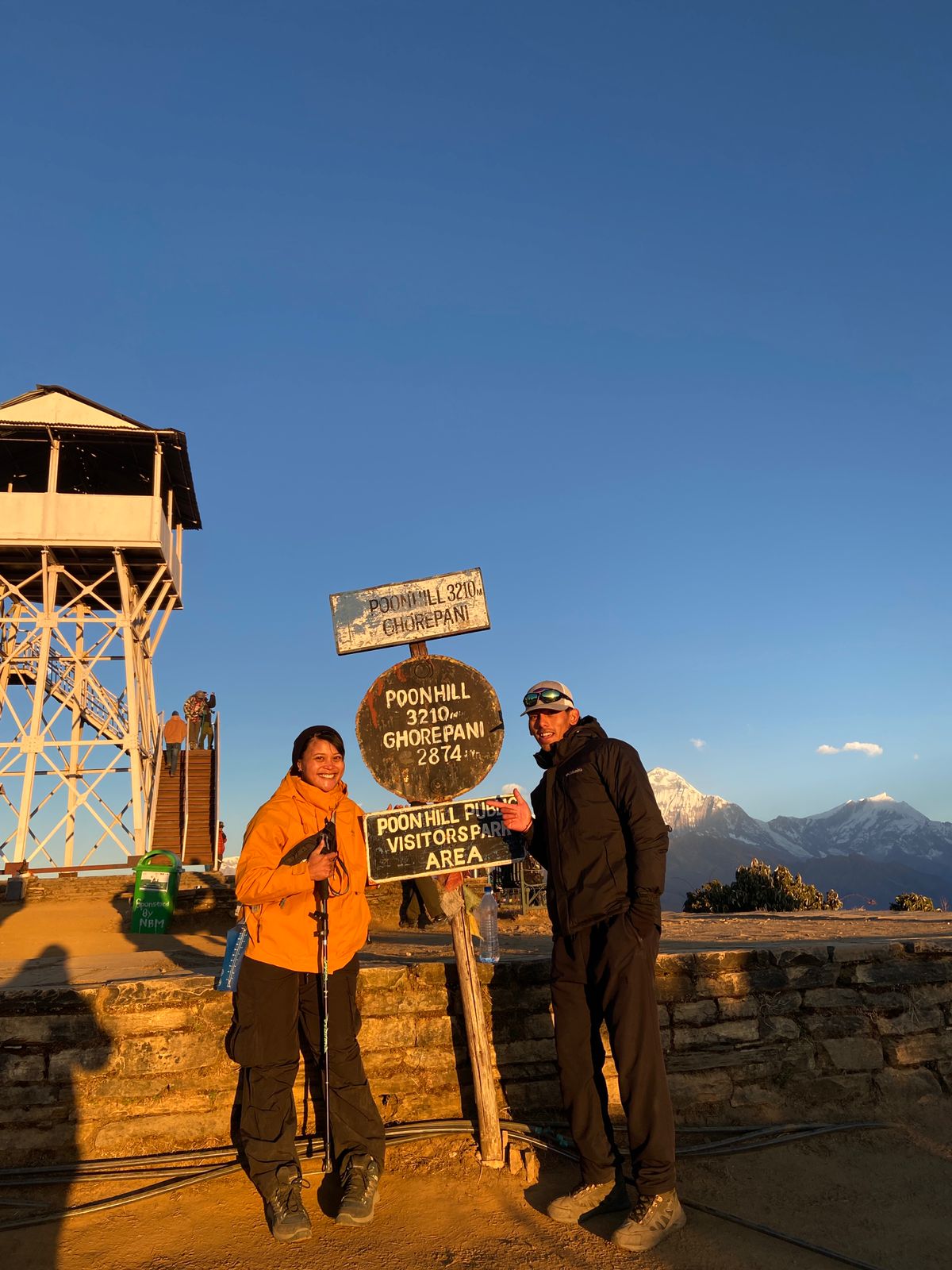
You are still smiling for the photo at the pass, and your Nepali guide is already unclipping his flask to hand you warm water. You have not said a word about how you feel. He has already read it on your face, in your breathing, in the half-second longer you took to plant your trekking pole on that last step. This is not a party trick. It is what years on the trail teach a trained Nepali trekking guide, and it is one of the biggest reasons trekking in Nepal with the right guide changes the whole experience. A good guide in Nepal is not just walking in front of you — he is watching you the entire time, reading small signals your own body has not caught up to yet. At Trekkers Trek Nepal, this instinct is not an accident. It is trained, practiced, and passed down from father to son on trails like the Everest Base Camp Trek and the Annapurna Base Camp Trek.
Most trekkers land in Kathmandu thinking a Nepali trekking guide’s job is navigation. Show up, know the trail, get people from teahouse to teahouse. That is only the surface. A genuinely skilled trekking guide Nepal relies on reads fatigue the way a doctor reads a chart, except there is no chart — just years of watching hundreds of bodies climb the same switchbacks. This blog breaks down exactly how a Nepali guide spots tiredness before you admit it, why that skill matters more on high routes like the Annapurna Circuit Trek than almost anywhere else in the world, and how you can work with your guide instead of against him. Trekking in Nepal is physical, yes, but it is also relational, and that relationship starts with trust.
What Makes a Nepali Trekking Guide Read Your Body Before You Do
A Nepali guide does not need you to say “I’m tired” because your body already said it five minutes earlier. He noticed your stride shorten. He noticed you stopped humming or talking. He noticed you reached for your water bottle out of habit rather than thirst. None of this comes from a manual. It comes from thousands of hours spent walking behind, beside, and just ahead of trekkers on trails from Ghorepani to the Khumbu, and it is the single skill that separates an average trekking guide Nepal companies hire quickly from one who genuinely protects your trip.
The Small Signs Guides Notice on the Trail
Fatigue rarely announces itself with a collapse. It shows up in tiny, almost invisible ways first, and an experienced Nepali guide has trained his eyes to catch every one of them.
- Your breathing shifts from steady to shallow, even on flat ground
- Your pace slows by seconds per step, not minutes
- You stop making eye contact during conversation
- Your pack straps get adjusted more often than usual
- You start counting steps instead of looking at the view
- Your answers to simple questions get shorter
A guide clocks these signs the way a parent notices a child getting cranky before a nap. He does not wait for you to say anything. He slows the group pace, suggests a short break near a stream, or hands you a snack without making it a big moment. This quiet responsiveness is exactly what separates trekking in Nepal with a trained local guide from simply following a map on your own.
Why Local Experience Shapes This Skill
This instinct is not something a textbook teaches, and it is not something a two-week training course can fully install either. Most senior guides working with Trekkers Trek Nepal grew up in trekking villages, carried loads for family members before they carried a professional pack, and spent childhood walking trails tourists now pay to experience. That background builds a physical memory of what altitude, distance, and cold actually do to a human body over multiple days. A guide who has felt his own legs go heavy at 4,000 meters recognizes that same heaviness in your legs long before you mention it.
The Bond Between Trekkers and Their Nepali Guide on the Everest Base Camp Trek
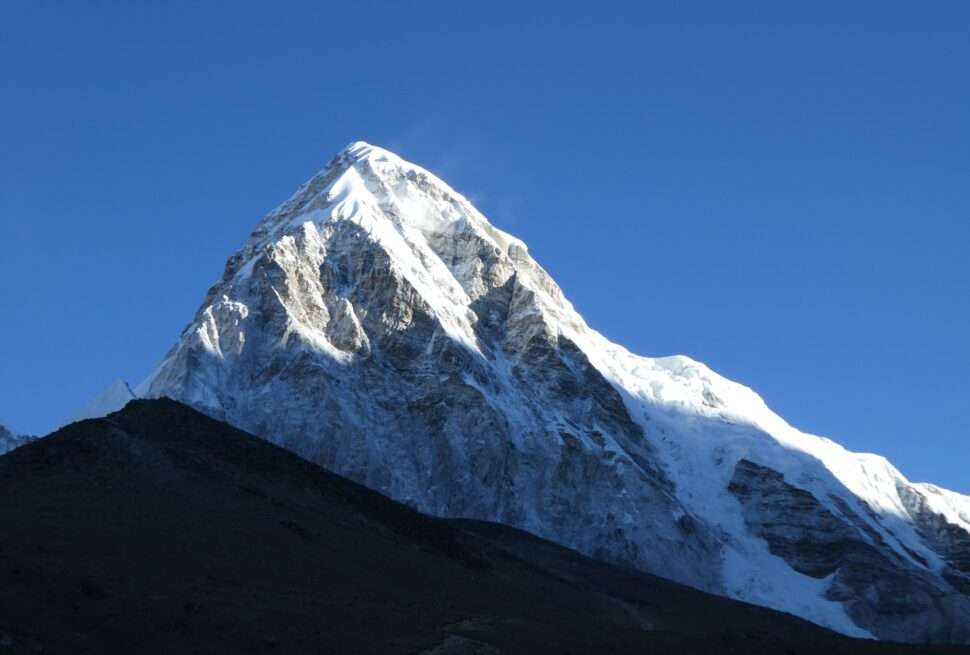
The Everest Base Camp Trek is where this skill gets tested the most, and honestly, it is where most trekkers first understand why a strong guide relationship matters. Thin air at altitude does strange things to judgment. People underestimate how tired they are because adrenaline and excitement mask the warning signs, and that is precisely when a sharp Nepali trekking guide becomes essential rather than optional. Guides on this route watch clients constantly between Namche Bazaar and Gorak Shep, because the margin for error narrows with every hundred meters of elevation gained.
How Guides Adjust Pace on the Everest Base Camp Trail
A guide rarely announces a pace change out loud. Instead, he shortens his own stride slightly, stops more often to “check the view,” or suggests tea a little earlier than planned. These are quiet interventions, not lectures, and that is intentional because nobody wants to feel babied on a trek they trained months for. If you have ever walked the trail toward Everest Base Camp Trek and felt like your guide magically knew when you needed rest, that was not magic. That was pattern recognition built from guiding hundreds of trekkers through the exact same stretch of trail before you.
Guide-Porter Teamwork During the Annapurna Base Camp Trek
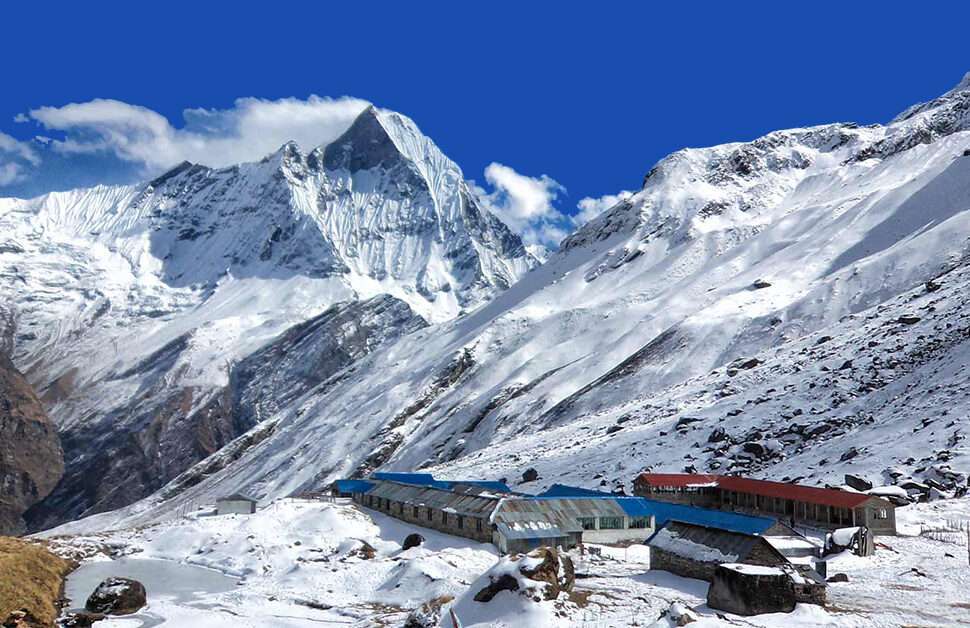
On the Annapurna Base Camp Trek, guides and porters work as a single unit watching the group. While the guide manages pace and morale, the porter often notices physical strain first, since he is carrying the load and walking close behind. They exchange a glance, a short sentence in Nepali, and adjust the day’s plan without ever making the trekker feel like a burden. This teamwork is one reason seasoned trekkers specifically request experienced local crews rather than budget freelance guides picked up last minute in Kathmandu.
Reading Altitude Fatigue Before It Becomes Altitude Sickness
Ordinary tiredness and early altitude sickness look almost identical at first, and this is exactly where a trained Nepali guide earns his reputation. The difference between a guide who reacts and a guide who prevents comes down to how early he catches the shift from “tired” to “something is actually wrong.” This is not paranoia. It is a skill built specifically for trekking in Nepal, where altitude climbs faster than most trekkers’ bodies are ready for.
Warning Signs a Trained Guide in Nepal Watches For
Experienced guides track a mental checklist throughout the day without ever pulling out a clipboard or making it feel clinical.
- Headache that does not fade after rest and water
- Loss of appetite at mealtimes, even for favorite foods
- Slurred or slower speech during casual conversation
- Unsteady walking on flat, easy terrain
- Nausea that shows up without an obvious cause
- Reluctance to drink water despite visible dehydration
When two or more of these appear together, a good guide does not wait for the situation to escalate. He adjusts the itinerary immediately, whether that means an extra acclimatization day, a shorter walking day, or in serious cases, a descent to lower elevation. This proactive instinct protects trekkers on demanding routes far more effectively than any app or altitude chart could on its own.
What You Can Do to Help Your Guide Help You
You can make your Nepali guide’s job significantly easier, and the trip noticeably safer, by staying honest instead of tough. Trekkers often hide discomfort because they do not want to slow the group or seem weak in front of strangers. That instinct works against you at altitude. Tell your guide the truth about headaches, appetite, and sleep quality every single morning, even when the symptoms feel minor. A guide who has accurate information can act faster, and faster action is almost always what keeps a mild symptom from turning into a real emergency.
Why This Guide Instinct Matters Across Every Nepal Trekking Route
This fatigue-reading skill is not unique to Everest or Annapurna. It shows up on every trail a Nepali trekking guide leads, from short cultural walks to multi-week wilderness routes, because human bodies respond to altitude, distance, and cold in fairly predictable patterns once you have watched enough of them. What changes from trek to trek is how much margin for error exists, and that margin shapes how sharp a guide’s instincts need to be.
From Langtang Valley to Upper Mustang: Same Instinct, Different Trail
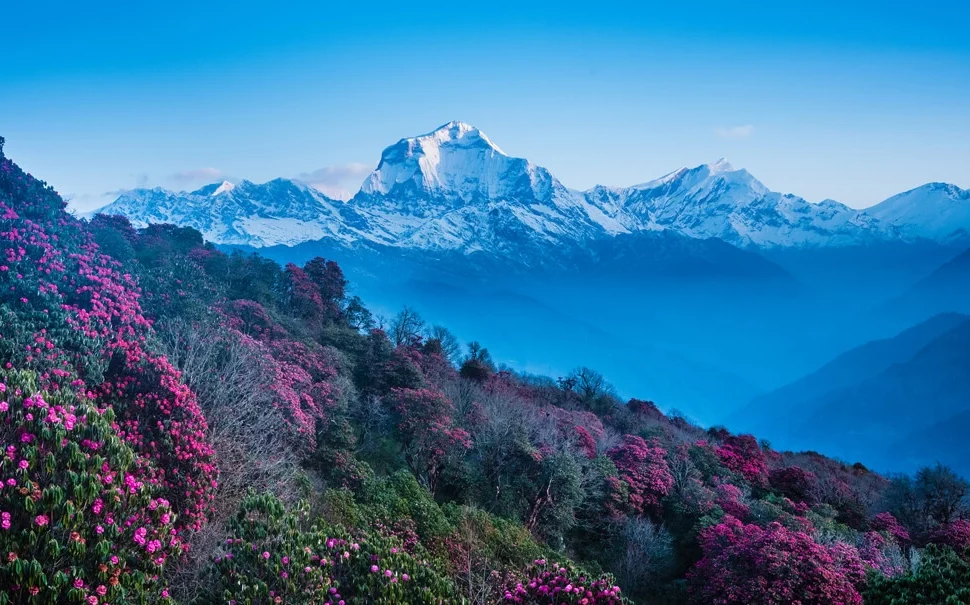
On the gentler Langtang Valley Trek, a guide’s fatigue radar mostly prevents a bad day from ruining a good trip. On the remote and windswept Upper Mustang Trek, that same radar becomes a genuine safety net, since medical help sits much farther away. Guides leading the Gosaikunda Trek watch closely near the high lake crossings, where cold and altitude combine in a way that catches even fit trekkers off guard. Whether the trail runs through rhododendron forest or across a high Tibetan-style plateau, the underlying skill stays the same: notice before the trekker has to ask for help.
Choosing the Right Trek Based on How You Handle Fatigue
Not every trekker needs the same intensity of guide supervision, and being honest about your own fitness and altitude history helps your guide plan appropriately from day one. If you tire quickly or have never trekked above 3,000 meters, routes like the Ghorepani Poon Hill Trek or the Mardi Himal Trek give a guide more room to manage pace comfortably. If you have strong trekking experience already, longer routes such as the Annapurna Circuit Trek let an experienced guide push the pace safely while still watching closely for the same early fatigue signals. Either way, the guide’s job stays constant even as the terrain, distance, and altitude change around him.
How to Build Trust With Your Nepali Guide Before You Even Land in Kathmandu
Trust between a trekker and a guide does not have to start on day one of the trek. It can start with a single message before you even board your flight, and trekkers who build that trust early tend to have noticeably smoother trips once they hit the trail. A guide who understands your fitness level, past trekking experience, and any medical concerns in advance can tailor his attention from the very first step out of Kathmandu.
Questions to Ask Before You Book
Asking the right questions upfront tells you a lot about how attentive a guide, and the company behind him, will actually be on the trail.
- How many trekkers has this guide led on this specific route?
- What is the plan if someone shows early signs of altitude sickness?
- How does the guide communicate concerns during the day?
- Is a porter included, and how do they coordinate together?
- What backup plan exists if the itinerary needs to change?
A company that answers these clearly, without vague deflection, is one worth trusting with a multi-day trek in the Himalayas.
Why Trekkers Trek Nepal’s Guides Are Trained to Notice What You Miss
Every guide working with Trekkers Trek Nepal trains specifically on fatigue recognition, altitude response, and clear daily communication with clients, not just trail navigation. This father-and-son run company built its reputation on guides who treat each trekker’s safety as personal, not procedural. Whether you are booking the Annapurna Base Camp Trek 9 Days or planning a longer journey through the Everest Region, you get a guide who has walked that exact trail dozens of times and knows what tired actually looks like on that specific stretch of mountain. That is a very different experience from a generic guide unfamiliar with a route’s particular demands.
If your trip includes lower-altitude days too, guides handle those with the same attentiveness — whether that means a relaxed Pokhara City Tour after a long trek or a cultural walk through the Kathmandu City Tour before you head into the mountains. Many trekkers also extend their trip with a wildlife and nature tour or a cultural tour, and the same guide philosophy carries through every part of the journey, not just the high-altitude sections.
This philosophy also shapes which trek gets recommended to which trekker in the first place. A guide who understands fatigue patterns will often steer a first-timer toward a family-friendly trek or a short trek in Nepal rather than pushing them straight onto a demanding classic trek they are not conditioned for yet. Someone chasing a bigger physical challenge, on the other hand, gets paired with a guide experienced on adventure treks who knows how to manage a faster pace without missing early warning signs. This matching process happens quietly during the planning stage, long before anyone laces up a boot, and it is one more reason a guide’s instinct for fatigue starts working before the trek even begins.
Frequently Asked Questions
How does a Nepali guide know I’m tired before I say anything? He reads physical cues built from years of experience — breathing changes, shorter steps, quieter conversation, and subtle shifts in posture. These signs show up consistently across trekkers, so an experienced guide recognizes the pattern almost automatically.
Is this fatigue-reading skill only useful on high-altitude treks? No. It matters on every trek, from short hikes like Ghorepani Poon Hill to demanding routes like Upper Mustang, though the stakes rise as altitude and remoteness increase.
Should I tell my guide when I feel tired, even if it seems minor? Yes, always. Honest communication helps your guide plan the day accurately and catch early symptoms before they become serious, especially on routes like the Everest Base Camp Trek.
Do porters play a role in noticing trekker fatigue too? Absolutely. On treks like the Annapurna Base Camp Trek, porters and guides work as a team, often spotting different signals and communicating between themselves to adjust the day.
How do I know a guide is genuinely experienced and not just certified on paper? Ask specific questions about the exact route, request examples of how they have handled fatigue or altitude symptoms before, and choose a company like Trekkers Trek Nepal that trains guides specifically in client observation, not only trail logistics.
Final Thoughts
A great Nepali trekking guide does far more than lead the way through the Himalayas. He watches, listens, and responds to signals your own body sends out before your mind catches up, and that quiet attentiveness is often the real difference between a trip that goes smoothly and one that turns into an emergency. Whether you dream of standing beneath Everest, crossing the high passes of the Annapurna Circuit, or wandering the walled city of Upper Mustang, the guide walking beside you matters just as much as the trail itself.
Ready to trek with a guide who actually pays attention?
- Explore our full range of treks at Trekkers Trek Nepal
- Browse Everest Region, Annapurna, Langtang, and Upper Mustang destinations
- Read more on our Blog for honest trail stories, not marketing fluff
- Message us directly on WhatsApp for quick answers
- Call us at 9841219764 to speak with our team before you book
- Visit our office in Thamel, Kathmandu, or reach out through our Contact page
- Learn about our guides and story on the About Us page
Trekking in Nepal is unforgettable when the trail is right and the person walking beside you knows exactly when to slow down, even before you do.