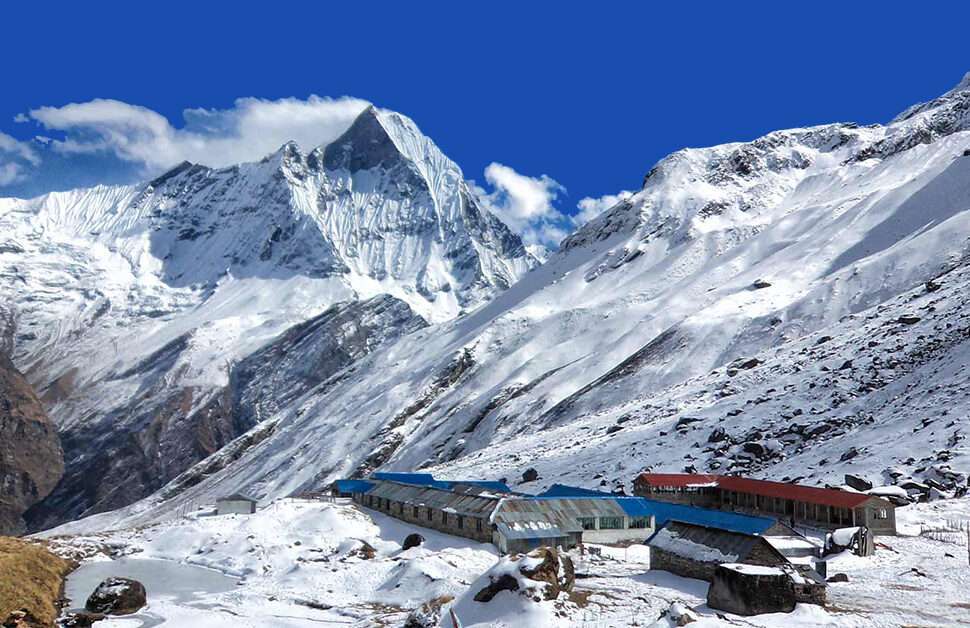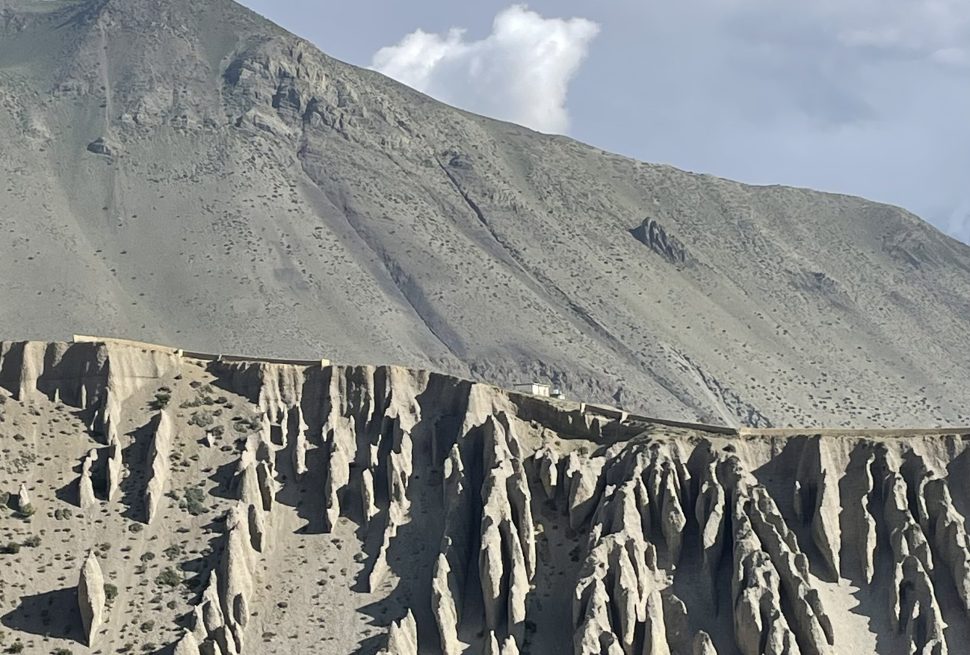
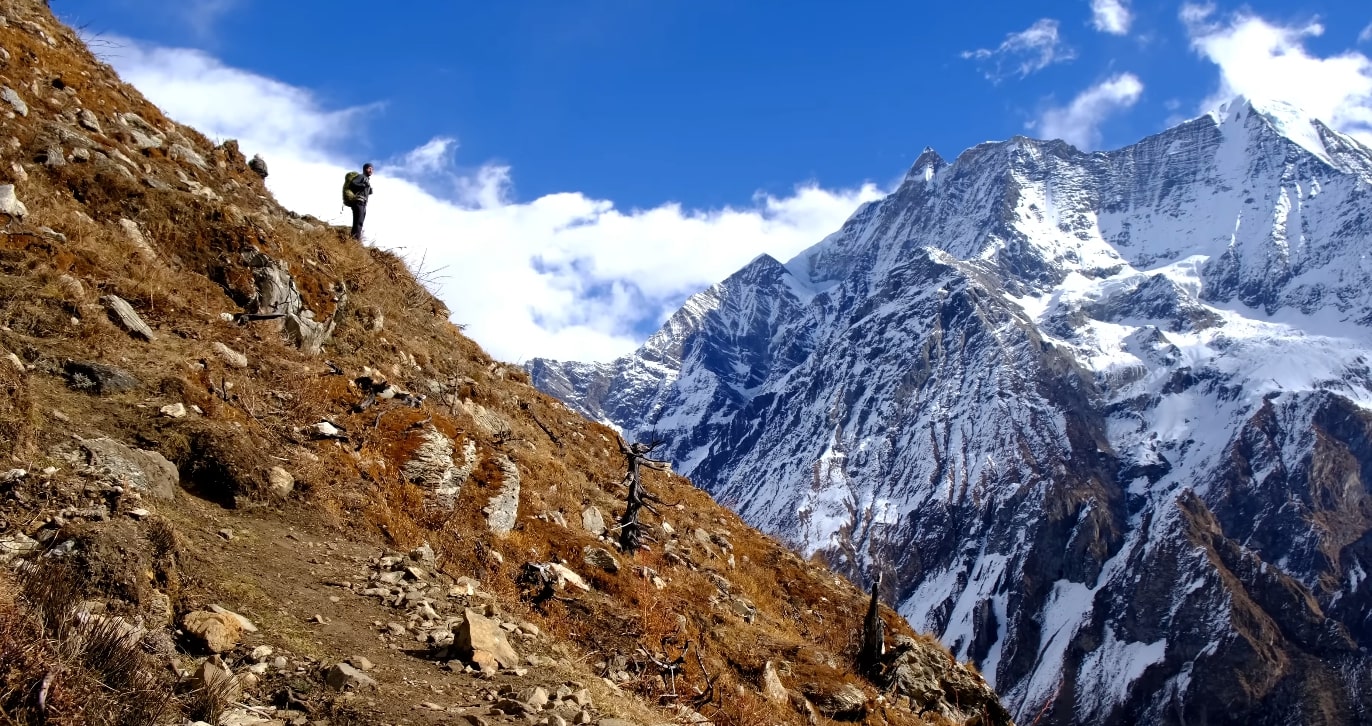
The Manaslu Circuit Trek does not look like the rest of Nepal’s famous trails, and it does not sound like them either. You will not queue behind fifty trekkers at a viewpoint, and you will not wait twenty minutes for a teahouse table during dinner rush. Trekkers Trek Nepal has watched hundreds of guests walk this route around the eighth-highest mountain on earth, and almost every one of them says the same thing on day three: the quiet catches them off guard. This blog breaks down why the Manaslu Circuit Trek stays so empty, what that silence actually feels like on the trail, and how it compares to busier routes like the Everest Base Camp Trek and the Annapurna Circuit Trek.
Most people planning a trek in Nepal picture crowded suspension bridges and packed lodges, because that is what Everest and Annapurna have become. The Manaslu Circuit Trek offers a different kind of experience, one built around restricted permits, remote villages, and a trail that never got the marketing budget of its famous neighbors. If you want a less crowded trek in Nepal that still delivers glacier views, high mountain passes, and genuine Himalayan culture, this route deserves a serious look. Trekkers Trek Nepal, based in Thamel, Kathmandu, runs this trek every season and knows exactly which sections go quiet and when.
Why the Manaslu Circuit Trek Stays So Quiet
The Manaslu Circuit Trek sits in a restricted region of Nepal, and that single fact changes everything about how the trail feels. Unlike the open trails around Pokhara or Lukla, this route requires a special permit and a licensed guide, which naturally filters out casual walk-in tourists. Independent trekkers cannot simply show up and start walking the way they can on the Annapurna Circuit Trek or the Ghorepani Poon Hill Trek. That single barrier keeps the numbers low, and low numbers are exactly why this quiet trek in Nepal has become so appealing to trekkers who already did Everest or Annapurna once.
The Restricted Area Permit Keeps the Crowds Away
Nepal’s government classifies the Manaslu region as a restricted area, so every trekker needs a Manaslu Restricted Area Permit alongside the standard Annapurna Conservation Area Permit and MCAP fees. Trekkers must also travel in a group of at least two people with a registered guide, and solo unguided trekking is not allowed here. This rule alone removes a huge chunk of the backpacker crowd that fills teahouses on more open routes. Trekkers Trek Nepal handles all of this permit paperwork before you land in Kathmandu, so you skip the bureaucracy and go straight to the trail. The result is a trekking population that stays small, respectful, and genuinely interested in the mountains rather than a checklist photo.
Fewer Teahouses Mean Fewer Trekkers on the Trail
Villages along the Manaslu Circuit Trek like Jagat, Deng, Namrung, and Samagaon have far fewer lodges than Namche Bazaar or Manang. A teahouse here might have six or eight rooms instead of thirty, and that limited capacity naturally caps how many trekkers can move through any single day. Lodge owners in this region still cook meals over wood stoves in family kitchens rather than running commercial-scale dining halls built for tour buses. You end up sharing a dining table with the same six or seven trekkers for days, not the shifting sea of strangers you find on Everest Base Camp routes. This intimacy is part of why so many repeat trekkers choose Manaslu over their second attempt at a busier trail.
What the Silence on the Manaslu Circuit Actually Feels Like
Silence on a Himalayan trail is not the absence of sound; it is the presence of sounds you would normally never notice. On the Manaslu Circuit Trek, you hear river water long before you see the bridge, wind moving through prayer flags, and your own breathing as you climb toward Larkya La Pass. Trekkers who come from Everest or Annapurna often describe this feeling as strange at first, almost unsettling, before it becomes the best part of the whole journey. There is no yak train traffic jam, no line of porters shouting to clear the trail, and no crowd noise bouncing off the valley walls. Trekkers Trek Nepal guides call this the “Manaslu hush,” and it usually sets in around day four of the itinerary.
The Sound of Your Own Boots on the Larkya La Pass
Crossing Larkya La Pass at 5,106 meters is the technical and emotional peak of the Manaslu Circuit Trek, and doing it without a crowd changes the entire experience. On busier high passes elsewhere in Nepal, you often start before dawn only to find a line of headlamps already snaking up the switchbacks ahead of you. Here, you might cross for two or three hours hearing nothing but crunching snow, your guide’s steady breathing, and the occasional creak of glacier ice settling somewhere below. That isolation forces a kind of presence that few other treks in Nepal can offer, because there is nothing else competing for your attention. Guides from Trekkers Trek Nepal time the crossing carefully so you reach the summit cairn with clear morning light and, more often than not, nobody else in sight.
Villages Where You’re the Only Guest in the Teahouse
Samdo and Dharmasala, the last stops before the pass, sit high enough and far enough that some nights you and your group might be the only guests staying. The lodge owner cooks specifically for your table, the dining room stays warm because nobody else needs the stove, and conversations with local families happen naturally instead of getting lost in noise. Compare that to peak season in Dingboche or Manang, where every table fills up and the kitchen struggles to keep pace with orders. This kind of access to real Himalayan village life is becoming rare in Nepal, and the Manaslu Circuit Trek still protects it. Trekkers consistently rank these overnight stays as the most memorable part of the entire trip, even above the pass crossing itself.
Manaslu Circuit Trek vs Other Nepal Treks
Comparing the Manaslu Circuit Trek against Nepal’s other classic routes helps explain exactly what kind of trekker should choose it. This is not automatically the “better” trek than Everest Base Camp or the Annapurna Circuit; it simply serves a different goal. If your priority is meeting trekkers from around the world and enjoying well-developed infrastructure, busier trails still make sense. If your priority is solitude, raw landscape, and a slower pace of village life, Manaslu wins clearly. Trekkers Trek Nepal often recommends this comparison directly to guests who are choosing between their first big Himalayan trek and their second.
How It Compares to the Everest Base Camp Trek
The Everest Base Camp Trek sees thousands of trekkers every season, complete with bakeries, bars, and Wi-Fi in nearly every teahouse along the way. Manaslu offers none of that convenience, but it delivers a mountain landscape that rivals Everest without the tourist infrastructure layered on top. Flights to Lukla can get delayed for days during bad weather, while the Manaslu Circuit Trek starts with a scenic drive from Kathmandu, removing that entire risk. Both treks reach altitudes above 5,000 meters and demand similar fitness levels, so the physical challenge is comparable. The real difference comes down to atmosphere: Everest feels like a global trekking hub, while Manaslu feels like you stumbled onto something few people know about.
How It Compares to the Annapurna Circuit Trek
The Annapurna Circuit Trek used to be Nepal’s classic remote adventure until a road was built alongside large sections of the trail, changing its character permanently. Jeeps and motorbikes now share parts of that route with trekkers, which pulls away some of the wilderness feeling the trek was once known for. The Manaslu Circuit Trek has no such road, so every step happens on foot or by mule train, preserving a sense of remoteness that Annapurna has partly lost. Both routes cross a high pass above 5,000 meters and pass through dramatic changes in landscape, from lowland forest to high alpine desert. Trekkers who did Annapurna years ago and remember its original quiet often say Manaslu feels like walking into that same trail before the road existed.
Best Time to Trek Manaslu Circuit for Maximum Solitude
Timing matters even on a quiet trek in Nepal, because even Manaslu gets slightly busier during peak weeks of spring and autumn. Choosing the right window lets you enjoy clear mountain views without sacrificing the solitude that makes this route special in the first place. Trekkers Trek Nepal builds custom departure dates around these seasonal patterns so guests get the best combination of weather and quiet trail conditions. Shoulder weeks just before or after the main season often deliver the sweet spot most trekkers are looking for.
Spring Season on the Manaslu Circuit
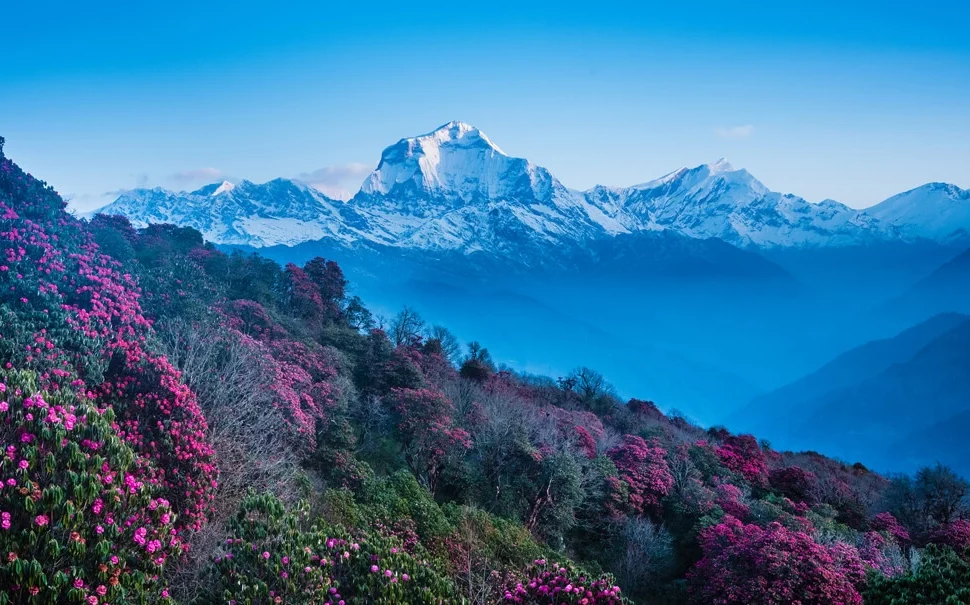
March through May brings rhododendron blooms to the lower forested sections of the trail and stable weather windows for crossing Larkya La Pass. Temperatures climb enough that teahouses at lower elevations feel comfortable, though nights above 4,000 meters still drop well below freezing. Spring draws slightly more trekkers than winter but remains far quieter than peak Everest or Annapurna season during the same months. Wildflowers, clearer mountain views, and manageable trail conditions make this the most popular window for the Manaslu Circuit Trek. Early April, in particular, tends to offer a strong balance between good weather and low trail traffic.
Autumn Season on the Manaslu Circuit
September through November delivers the clearest skies of the year across Nepal, and Manaslu is no exception to that pattern. Post-monsoon greenery still covers the lower valleys, while the high passes stay accessible before heavy winter snow sets in. This is technically the busiest season on the Manaslu Circuit Trek, yet “busy” here might mean fifteen other trekkers on the pass day instead of two hundred. Visibility during autumn regularly stretches for miles, giving unobstructed views of Manaslu, Himlung Himal, and the surrounding peaks. Trekkers Trek Nepal recommends late September or early November for guests who want autumn clarity with slightly thinner crowds than the October peak.
Day-by-Day Feel of the Manaslu Circuit Trek Itinerary
A typical Manaslu Circuit Trek runs between fourteen and eighteen days depending on the operator and acclimatization schedule chosen. The trail builds gradually from warm, forested lowlands near the Budhi Gandaki River up to glacial terrain above 5,000 meters. Trekkers Trek Nepal structures its itinerary with proper acclimatization days at Samagaon and Samdo, which lowers altitude sickness risk significantly compared to rushed schedules. Understanding how the landscape changes day to day helps first-time Manaslu trekkers know what to actually expect underfoot.
The Lower Trail Through Forests and Rivers
The first four or five days wind through terraced farmland, bamboo forest, and dramatic gorges carved by the Budhi Gandaki River. Suspension bridges cross the river repeatedly, and the trail climbs steadily through villages like Machha Khola, Jagat, and Deng. This section feels more tropical than alpine, with warm daytime temperatures and thick vegetation lining the path. Local Gurung and Nubri communities farm these lower valleys, and trekkers pass through small settlements where daily village life continues undisturbed. By the time you reach Namrung, the scenery starts shifting toward pine forest and your first real mountain views appear.
The High Passes and Larkya La Crossing
From Samagaon onward, the trail leaves the forest behind and enters high alpine terrain shaped by glaciers and scree slopes. Samagaon itself sits below Manaslu’s south face, offering some of the closest mountain views of the entire trek, and most itineraries include an acclimatization day here. The push toward Samdo and then Dharmasala prepares your body for the pass crossing, with each day gaining meaningful altitude. Larkya La Pass itself demands an early start, several hours of steady climbing, and a long descent into the Bhimtang valley on the other side. Once you drop down toward Dharapani, the trail rejoins more familiar Annapurna region terrain, and the transition back to warmer air feels almost dramatic after days above the snowline.
How to Prepare for the Manaslu Circuit Trek
Preparation for the Manaslu Circuit Trek looks similar to preparation for any major Himalayan trek, with a few extra steps tied to the restricted permit system. Fitness, gear, and altitude awareness all matter here just as much as they do on Everest Base Camp or Annapurna Base Camp. Trekkers Trek Nepal sends every guest a full pre-departure checklist covering gear, permits, and training recommendations well before arrival in Kathmandu. Getting these basics right before you land makes the actual trekking days far more enjoyable.
Fitness and Altitude Preparation
Trekkers should aim for at least six to eight weeks of cardio and leg-strength training before attempting the Manaslu Circuit Trek, especially given the demanding pass crossing near the end. Daily hiking with a loaded backpack, stair climbing, and long walks all build the stamina this trek requires. Altitude affects fitness levels unevenly, so even strong runners can struggle above 4,500 meters if they skip proper acclimatization days. Building rest days into your schedule matters more than raw speed, and a good guide will always prioritize safe pacing over finishing early. Trekkers Trek Nepal’s guides carry pulse oximeters and monitor every guest daily once the trail climbs past Samagaon.
Permits and Packing for a Restricted Region
Every Manaslu Circuit Trek requires a Manaslu Restricted Area Permit, an Annapurna Conservation Area Permit, and an MCAP entry permit, all of which must be arranged through a registered trekking agency. Independent permit applications are not possible here, which is another reason the trail sees fewer trekkers than open routes. Packing should include proper down layers for nights above 4,000 meters, sturdy waterproof boots, and a four-season sleeping bag rated for freezing temperatures. Basic supplies like snacks, sunscreen, and medication should come from Kathmandu, since shops thin out dramatically past Jagat. Trekkers Trek Nepal includes a full gear checklist and can arrange rental equipment for guests who don’t want to buy everything new.
Why Trek Manaslu Circuit With Trekkers Trek Nepal
Choosing the right local operator changes how safe, comfortable, and genuinely quiet your Manaslu experience turns out to be. Trekkers Trek Nepal is a Kathmandu-based trekking company built by a father-and-son guiding team with years of experience across the Everest region, Annapurna region, and restricted areas like Manaslu. Here’s what working with a dedicated local team gets you on this trek:
- Full handling of the Manaslu Restricted Area Permit, ACAP, and MCAP paperwork before you arrive in Kathmandu
- Licensed guides who know exactly which teahouses stay quiet during peak weeks
- Small group sizes that protect the solitude this trek is known for, instead of merging you into a large tour
- Daily health monitoring above Samagaon to reduce altitude sickness risk on the way to Larkya La Pass
- Flexible departure dates built around spring and autumn’s quietest windows
- Support extending your trip with add-ons like a Kathmandu City Tour or a Pokhara City Tour after you finish trekking
If a fourteen-to-eighteen-day trek feels like too much for your schedule, Trekkers Trek Nepal also runs shorter alternatives like the Mardi Himal Trek and the Ghorepani Poon Hill Trek, both of which sit under their broader Short Treks in Nepal category. Guests coming from further afield sometimes combine Manaslu with a shorter warm-up trek or pair it with Classic Treks like the Annapurna Base Camp Trek later in the same trip. You can reach the team directly through the Trekkers Trek Nepal contact page to check current departure dates and get a custom Manaslu Circuit Trek quote based on your group size and travel dates.
A few quick reasons trekkers keep choosing this operator for restricted-area treks:
- Based in Thamel, Kathmandu, with direct WhatsApp and phone support during your trip
- Transparent, no-pressure quotes tailored to your dates rather than fixed package pricing
- Real reviews from past guests across Everest, Annapurna, Langtang, and Manaslu routes
- A team that treats Manaslu’s quiet trail culture as something worth protecting, not just selling
FAQ: Manaslu Circuit Trek Questions Trekkers Ask Most
Is the Manaslu Circuit Trek harder than Everest Base Camp? The two treks demand similar fitness levels, but Manaslu’s Larkya La Pass crossing at 5,106 meters is technically more demanding than the walk into Everest Base Camp itself. Trekkers with prior high-altitude experience usually handle both treks well, while first-timers may find Manaslu’s remoteness adds extra mental challenge.
Do I need a guide for the Manaslu Circuit Trek? Yes, Nepal’s government requires a licensed guide and a minimum group size of two people for anyone entering this restricted region. Solo, unguided trekking is not legally permitted on the Manaslu Circuit Trek.
How many days does the Manaslu Circuit Trek take? Most itineraries run between fourteen and eighteen days, including acclimatization days at Samagaon and Samdo before the Larkya La Pass crossing. Trekkers Trek Nepal can adjust this timeline slightly based on your fitness level and available vacation days.
What permits do I need for the Manaslu Circuit Trek? You’ll need a Manaslu Restricted Area Permit, an Annapurna Conservation Area Permit, and an MCAP entry fee, all arranged through a registered agency like Trekkers Trek Nepal. These permits cannot be obtained independently without going through a licensed trekking company.
Is the Manaslu Circuit Trek less crowded than the Annapurna Circuit? Yes, significantly. The restricted permit system, mandatory guide requirement, and lack of road access all keep trekker numbers far lower on Manaslu than on the increasingly road-accessible Annapurna Circuit Trek.
When is the best time to trek Manaslu for solitude? Early spring weeks in March and shoulder weeks in late September or early November tend to offer the best mix of clear weather and thin trail traffic. Peak October and April weeks are busier by Manaslu standards, though still far quieter than Everest or Annapurna during the same period.
Final Thoughts on Trekking the Quiet Side of the Himalayas
The Manaslu Circuit Trek proves that Nepal still has trails where silence, not selfie lines, defines the experience. From the restricted permit system to the small teahouses tucked into Nubri villages, everything about this route protects a kind of solitude that busier treks have slowly lost. Trekkers who cross Larkya La Pass without another soul in sight often say it resets what they thought a Himalayan trek could feel like. Whether you pair it with a short warm-up hike, extend your trip with a Kathmandu or Pokhara city tour, or treat it as a standalone adventure, this trek rewards trekkers who value quiet over convenience. Trekkers Trek Nepal has guided this route long enough to know its rhythms, its quiet villages, and the exact days when that famous Manaslu hush sets in — reach out through their contact page to start planning your own quiet crossing of the Himalayas.