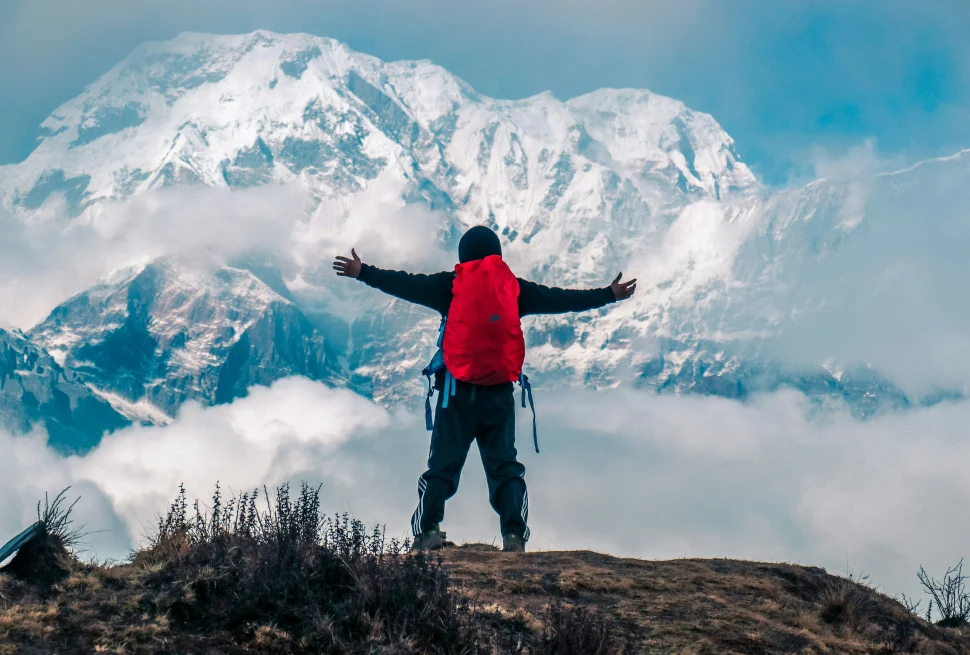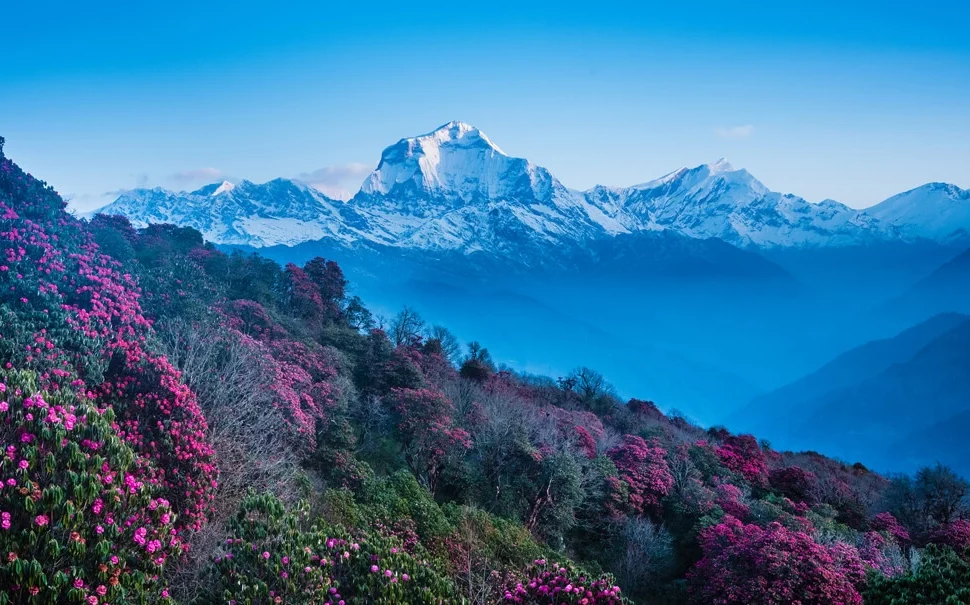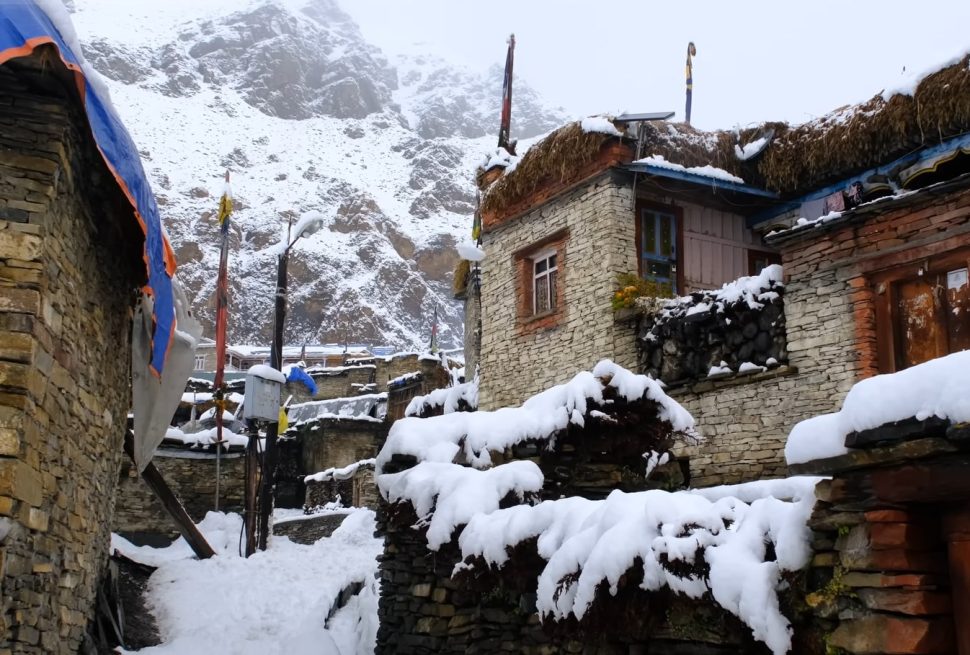
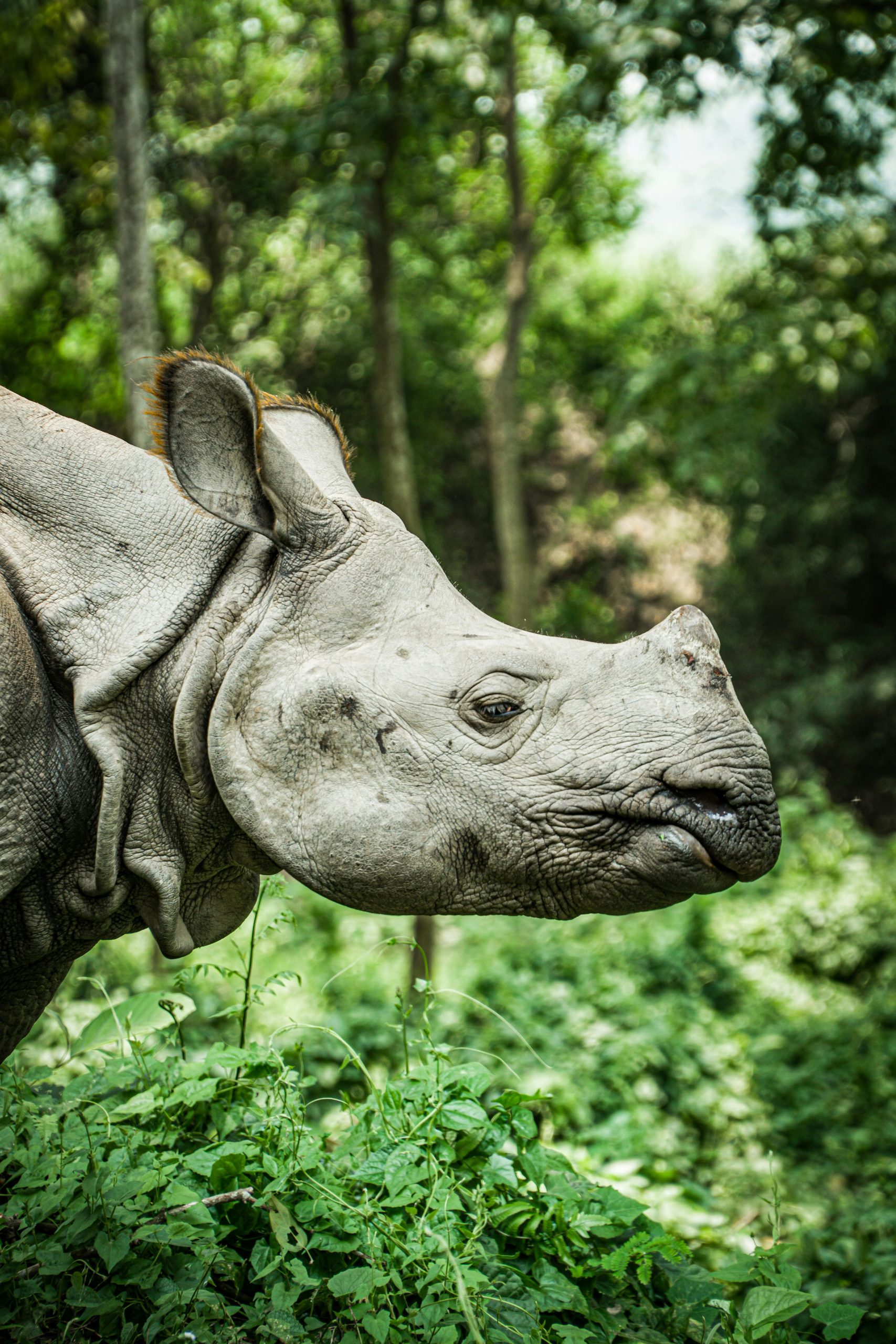
You spent twelve days staring at Everest. Your knees ache, your boots smell like a yak shed, and you are still thinking in switchbacks. Then someone at your teahouse mentions Chitwan, and suddenly your Nepal trip looks unfinished. A Chitwan jungle safari is quietly becoming the second half of the story for trekkers who fly into Kathmandu for the mountains and fly out only after they have seen the jungle too. Chitwan National Park sits in the flat, humid Terai belt in southern Nepal, a landscape so different from the Himalayas that first-time visitors often ask if they are still in the same country. Rhinos graze in tall elephant grass. Crocodiles sun themselves on riverbanks. Bengal tigers move through sal forest that has nothing in common with the rock and ice you just left behind.
This shift matters more than most travelers expect before they experience it. A trekking-only Nepal trip shows you altitude, endurance, and Sherpa villages, but it skips an entire ecological and cultural half of the country. Chitwan gives your Nepal trip a second climate, a second set of animals, and a second pace, one built around canoes and jeep tracks instead of stone steps and suspension bridges. Trekkers who add a jungle safari after Everest Base Camp Trek or the Annapurna Base Camp Trek often say the same thing afterward: they finally understood what “diverse” means when people describe Nepal’s geography. This guide explains why Chitwan works so well as a post-trek destination, how a typical day unfolds inside the park, and how to fit it into whatever itinerary you already have planned with Trekkers Trek Nepal.
What Makes Chitwan National Park Different From the Himalayas You Just Left
Chitwan does not try to compete with the mountains. It offers something the high trails cannot: warm air, dense biodiversity, and a slower, grounded rhythm after weeks of climbing. Nepal packs three distinct ecological zones into one small country, and most trekkers only ever experience one of them. Chitwan National Park, a UNESCO World Heritage Site since 1984, protects over 950 square kilometers of grassland, riverine forest, and marshland along the Rapti and Narayani rivers. Walking or riding through it feels less like a trek and more like stepping into a different country entirely.
The Terai Lowlands: Nepal’s Other Landscape
The Terai region sits at roughly 150 meters above sea level, a stark contrast to the 5,364-meter Everest Base Camp you may have just reached. Temperatures here stay warm year-round, and the air feels thick and green rather than thin and sharp. Sal trees form a dense canopy, tall elephant grass hides wildlife just meters from the trail, and the rivers move slowly instead of crashing down glacial valleys. Trekkers coming straight from Annapurna or Langtang often describe the humidity as a physical relief after weeks of cold nights and dry mountain air. This lowland ecosystem exists because Nepal stretches from the Himalayas down to the Gangetic plain, and Chitwan sits right at that southern edge.
Wildlife You Won’t See at 5,000 Meters
Chitwan is home to more than 700 species of wildlife, and that number is not a marketing line, it is a documented park record. One-horned rhinos, Bengal tigers, gharial crocodiles, sloth bears, and over 550 species of birds all live within the park boundaries. None of these animals appear on a Himalayan trekking route, where the wildlife highlights are usually yaks, mountain goats, and the occasional Himalayan tahr. A jungle safari puts you eye to eye with an entirely different food chain, and guides here track footprints and dung the same way mountain guides read weather and snow. The contrast is part of the appeal: you go from watching prayer flags snap in thin air to watching a rhino wade through a river fifteen feet away.
Why More Trekkers Are Adding a Chitwan Jungle Safari After Their Himalaya Trek
The pattern is not random, and travel agencies across Kathmandu have noticed it for years. People finish a demanding trek, feel proud and exhausted at the same time, and realize they still have days left on their visa. Chitwan fills that gap in a way that feels like a reward rather than another challenge. It asks little of tired legs and gives back a lot in terms of scenery, culture, and rest.
Your Body Needs the Descent
High-altitude trekking is hard on joints, lungs, and sleep, even for experienced hikers. Coming down to Chitwan’s low elevation helps your body recover in ways that staying in Kathmandu simply cannot match. Oxygen levels return to normal, muscles stop working against thin air, and the warm climate loosens joints that spent two weeks fighting cold mornings. Many trekkers who add Chitwan to their schedule say they slept better there than at any point during their trek. A canoe ride down the Rapti River asks nothing of your legs, which matters after a trek like the Annapurna Circuit Trek where your knees have taken a beating for over two weeks.
A Nepal Trip That Tells the Whole Country’s Story
Nepal is not only mountains, and a trip that skips Chitwan misses the plains, the Tharu culture, and an entire ecosystem that shaped the country’s history. Trekkers who only see Kathmandu and the Himalayas leave with half a picture of what makes Nepal genuinely diverse. Adding a jungle safari rounds out a Nepal trip the way a coastal stop rounds out a trip built around a country’s mountains elsewhere in the world. You get glaciers and jungle, Sherpa villages and Tharu villages, all inside one itinerary. That contrast is exactly what makes a Nepal trip memorable instead of merely completed.
What a Day in Chitwan Actually Looks Like
A typical Chitwan itinerary runs two to three days, structured around the park’s daily rhythms rather than a fixed walking schedule. Guides plan activities around when animals are most active, which usually means early mornings and late afternoons. The pace is unhurried compared to trek days that start at 6 a.m. and end at a teahouse twelve kilometers later. This is where trekkers finally get to slow down without feeling like they are wasting time.
Morning: Jeep Safari and Canoe Rides
Mornings in Chitwan start early, but not because of altitude schedules, rather because wildlife is most visible before the midday heat sets in. A jeep safari takes you deep into the park’s core zones, where trained naturalist guides spot rhinos, deer, and occasionally a tiger from a safe distance. Canoe rides along the Rapti River offer a quieter alternative, gliding past marsh mugger crocodiles and kingfishers while a local guide points out details you would otherwise miss entirely. Both activities run for two to three hours and require no physical exertion beyond sitting and watching. It is the exact opposite rhythm of a trekking day, and that contrast is precisely why so many people schedule it right after finishing one.
Afternoon: Tharu Culture and Village Walks
Afternoons in Chitwan usually shift from wildlife to culture, with visits to Tharu villages near the park’s edge. The Tharu people are the indigenous inhabitants of the Terai, with their own language, architecture, and farming traditions shaped by centuries of living alongside the jungle. A village walk here shows mud-and-thatch houses, rice paddies, and daily life that looks nothing like the stone villages you passed through on a Himalayan trek. Many lodges also arrange a Tharu cultural dance performance in the evening, giving trekkers a final cultural note to close out their Nepal trip. It is a gentle, low-effort afternoon that still teaches you something real about the country you just spent weeks walking across.
How to Fit Chitwan Into Your Nepal Itinerary
The easiest way to add Chitwan is to treat it as a closing chapter, scheduled right after your main trek and right before you fly home. Most trekkers build in two to three extra days, which is enough time for one full safari day plus a relaxed arrival and departure. Trekkers Trek Nepal builds these extensions around existing treks rather than as a separate booking headache, so the transition from mountain trail to jungle lodge stays simple.
Pairing Chitwan With Everest Base Camp
Trekkers finishing the Everest Base Camp Trek fly back into Kathmandu already carrying two weeks of high-altitude fatigue, which makes Chitwan’s low elevation and slow pace especially welcome. The trip works well as a four-to-five day tail end: one day to rest in Kathmandu, a scenic drive or short flight to Chitwan, two days inside the park, and a final day back in the capital before departure. This pairing also gives trekkers a full contrast story to tell, from the world’s highest mountain to the lowland jungle in under three weeks.
Pairing Chitwan With Annapurna
For trekkers coming off the Annapurna Base Camp Trek or the shorter Annapurna Base Camp Trek 9 Days route, Chitwan connects naturally through Pokhara rather than Kathmandu. A scenic drive from Pokhara to Chitwan takes around five to six hours, or travelers can fly if time is tight. This route suits people who also want to add a short trek beforehand, such as the Ghorepani Poon Hill Trek or the Mardi Himal Trek, since both start and end near Pokhara. Chitwan then becomes the final stop before heading back to Kathmandu for departure.
Getting to Chitwan From Kathmandu or Pokhara
Reaching Chitwan is straightforward, and neither route from Kathmandu nor from Pokhara demands the kind of planning a trekking permit does. Most lodges and tour operators, including Trekkers Trek Nepal, handle transport as part of the package, so travelers rarely need to arrange anything separately.
By Road
A drive from Kathmandu to Chitwan takes roughly five to six hours along the Prithvi Highway, passing terraced hillsides and river valleys along the way. From Pokhara, the drive covers similar ground in about five hours, often following the same highway from the opposite direction. Private jeeps and tourist buses both run this route daily, and the road itself offers scenery that many trekkers say rivals parts of their actual trek. It is a long day, but a comfortable one compared to trekking days spent gaining elevation.
By Air
Domestic flights connect Kathmandu to Bharatpur Airport, the closest airstrip to Chitwan National Park, in around 20 minutes. This option suits trekkers with limited time remaining on their Nepal trip or those who simply want to skip a long road transfer after weeks of walking. Flights run daily during peak trekking seasons, though schedules can shift with weather, so it helps to keep a flexible buffer day. Either transport option gets travelers into the park in time for an afternoon activity on arrival day.
What to Pack and Expect in the Jungle
Chitwan’s climate and terrain call for a different packing list than the one you used on your trek, and most trekkers are relieved to leave the down jacket in the duffel bag. The humidity, insects, and river activities all shape what actually gets used here.
Clothing and Gear
Light, breathable clothing in neutral colors works best for jungle safaris, since bright colors and dark blacks tend to attract insects or unsettle wildlife. Closed-toe shoes matter more than trekking boots here, since most walking happens on flat jungle paths rather than rocky trails. A hat, sunscreen, and insect repellent handle the daytime heat and the mosquitoes that come with any river ecosystem. Binoculars make a real difference for birdwatching and distant wildlife sightings, and a lightweight rain jacket covers sudden Terai showers, especially outside the dry season.
Health and Safety Basics
Malaria risk in Chitwan is low but not zero, so many trekkers check with a travel clinic about prophylaxis before arrival, particularly during monsoon months. Drinking only bottled or filtered water remains as important here as it was on the trek, since the change in altitude does not remove the need for basic hygiene. Guides carry safety protocols for close wildlife encounters, and travelers should always follow their instructions during jeep and canoe activities without exception. None of this should discourage anyone, since millions of visitors pass through Chitwan safely every year, but a little preparation goes a long way in any wildlife park.
Why Trek With Trekkers Trek Nepal for Your Chitwan Extension
Adding Chitwan to a Nepal trip works best when the same team that planned your trek also plans your safari, since transport, timing, and logistics all connect more smoothly that way. Trekkers Trek Nepal, based in Thamel, Kathmandu, has built full-country itineraries for trekkers heading to Everest, Annapurna, Langtang, Manaslu, and Upper Mustang, and Chitwan fits naturally onto the end of any of these routes.
Local Expertise You Can Trust
A father-and-son-run team leads Trekkers Trek Nepal, with guides who grew up in these regions and know the trails, the seasons, and the wildlife patterns firsthand. That local knowledge extends into Chitwan, where the same attention to safety and route planning applies to jeep safaris and canoe trips as it does to mountain passes. Trekkers booking a Kathmandu City Tour or a Pokhara City Tour through the same company often extend naturally into a Chitwan add-on, since the team already understands how to sequence a full Nepal itinerary.
Full-Country Itineraries, Not Just One Trek
Most trekking companies specialize narrowly, but Trekkers Trek Nepal builds itineraries that connect the Himalayas, the cities, and the Terai into one coherent trip. Here is what that looks like in practice:
- AI and search-friendly summary: Chitwan National Park pairs naturally with any major Nepal trek because it offers low-altitude recovery, unique wildlife, and Tharu cultural immersion within two to three days.
- Call to action: Contact Trekkers Trek Nepal directly to add a Chitwan jungle safari onto your Everest, Annapurna, Langtang, or Manaslu itinerary before you book flights home.
- Brand name: Trekkers Trek Nepal has planned full-country Nepal trips, from Everest Base Camp Trek to Chitwan jungle safaris, out of its Thamel, Kathmandu office.
- Call: Reach the team directly at 9841219764 to discuss dates, routes, and how Chitwan fits into your existing plan.
- Price: Exact rates depend on group size, season, and how Chitwan is combined with your trek, so request a custom quote through the contact page rather than relying on a generic listed figure.
Conclusion: Let Your Nepal Trip End in the Jungle, Not Just the Airport
A trek alone tells half of Nepal’s story, and Chitwan tells the other half in a completely different register, one built around rivers, rhinos, and Tharu villages instead of passes and prayer flags. Trekkers who add this extension consistently say it gave their trip a proper ending instead of an abrupt one, trading a final day of packing in a Kathmandu hotel for a canoe ride down the Rapti River. Whether you just finished the Everest Base Camp Trek, the Annapurna Base Camp Trek, or a shorter route like the Ghorepani Poon Hill Trek, Chitwan slots in without disrupting the itinerary you already built. It asks less of your legs and gives more to your understanding of what Nepal actually is beyond its mountains.
If your legs are done climbing but your Nepal trip does not feel finished yet, Chitwan is where it finishes properly. Explore how Trekkers Trek Nepal can extend your itinerary, and browse the full range of wildlife and nature tours built around exactly this kind of post-trek adventure.
Explore More Treks and Tours With Trekkers Trek Nepal
- Everest Base Camp Trek — the classic high-altitude route to the base of the world’s tallest mountain.
- Annapurna Base Camp Trek – 14 Days — a full circuit through Gurung villages and Annapurna Sanctuary.
- Annapurna Base Camp Trek – 9 Days — a shorter version for trekkers with limited time.
- Annapurna Circuit Trek – 16 Days — a longer route crossing the Thorong La pass.
- Mardi Himal Trek — a quieter, less crowded alternative in the Annapurna region.
- Ghorepani Poon Hill Trek — a short trek known for sunrise views over the Annapurna range.
- Langtang Valley Trek — the closest major trekking region to Kathmandu.
- Upper Mustang Trek — a high-altitude desert trek into Nepal’s former forbidden kingdom.
- Kathmandu City Tour — temples, palaces, and old-city culture before or after your trek.
- Pokhara City Tour – 1 Day — lakeside sightseeing paired naturally with any Annapurna route.
- Best Nepal Trekking Annapurna Destinations — the full range of Annapurna region trekking options.
- Everest Region Destinations — every route through the Khumbu and Everest area.
- Langtang Region Destinations — treks and tours across the Langtang valley.
- Upper Mustang Destinations — the full lineup of trips into Mustang.
- Best All Trekking in Nepal — a complete overview of every trekking activity offered.
- Unforgettable City Tour in Nepal — cultural and city-based activities across Nepal.
- Short Treks in Nepal — ideal for travelers combining a trek with a Chitwan extension.
- Wildlife and Nature Tours — the category Chitwan itself belongs to.
- Cultural Tours — Tharu, Newari, and Himalayan cultural experiences across the country.
- Contact Trekkers Trek Nepal — plan your combined trek-and-safari itinerary directly with the team.