A Himalayan teahouse is not a hotel, and nobody who has slept in one on a Nepal trek would ever call it that. It is a wooden lodge run by a local family, heated by one smoky stove, and filled every evening with trekkers from six different countries trading stories over black tea. If you are planning a trek in Nepal for the first time, you have probably read about routes, permits, and altitude, but almost nobody explains what actually happens once the trail stops for the day. This blog walks through a real evening inside a Himalayan teahouse, from the first pot of tea to the last card game by the stove. By the end, you will understand why teahouse trekking in Nepal feels less like a hike and more like a shared ritual passed between strangers night after night.
What a Himalayan Teahouse Actually Looks Like on a Nepal Trek
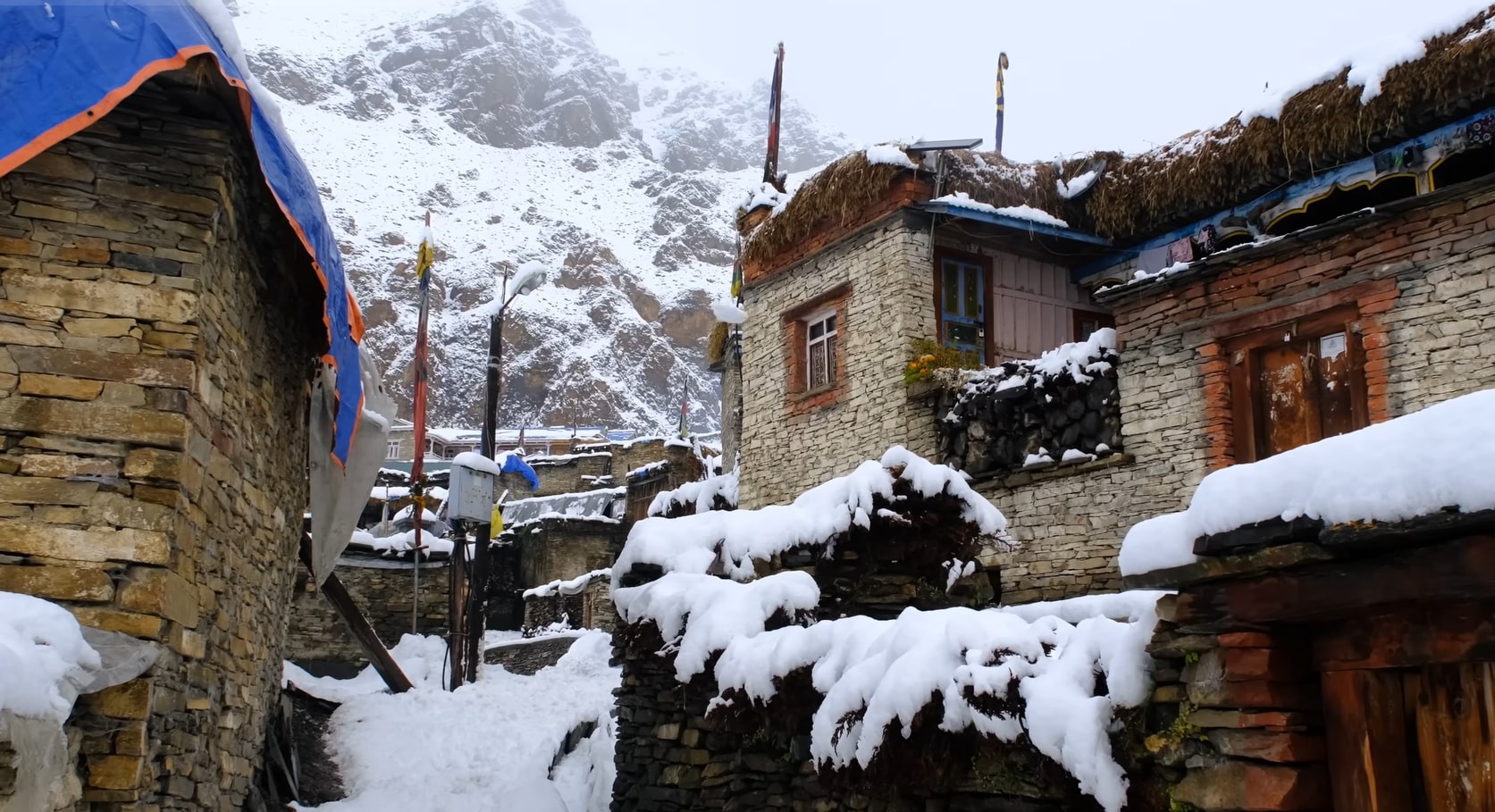
A teahouse is usually a two-story stone or timber building sitting right on the trail, often run by the same family for two or three generations. Trekkers walking the Everest Base Camp trek or the Annapurna Base Camp Trek will pass dozens of these lodges, each one slightly different but built around the same simple formula: small private rooms upstairs and one large dining hall downstairs. The dining hall is where the real teahouse experience happens, not the bedroom. You eat here, you dry your socks here, and you spend your evening here because it is the only heated space in the entire building.
Inside a Typical Teahouse Room
Rooms in a Himalayan teahouse are basic on purpose, and that is not a complaint. You get two twin beds, a thin mattress, a pillow that has seen better decades, and bare wooden walls that do very little to block sound or cold. Higher up on routes like Upper Mustang or Manaslu, rooms get smaller and colder because construction materials become harder to transport. Most teahouses do not heat the bedrooms at all, so trekkers rely on a good sleeping bag rather than the building itself. This setup keeps teahouse trekking affordable and keeps the focus exactly where it should be: downstairs, with everyone else.
The Common Dining Hall Where Everything Happens
The dining hall is the true center of teahouse life, and every trekker ends up there by 6 PM whether they planned to or not. Long benches line the walls, a stove sits in the middle, and a menu board offers everything from dal bhat to fried noodles at every altitude. This is where guides brief their groups for the next day, where solo trekkers become part of a table of eight, and where the yak dung stove becomes the only reason anyone wants to leave their room at all. Teahouses on busier routes like the Ghorepani Poon Hill Trek or the Langtang Valley Trek fill this hall fast during peak season, so arriving early on the trail often means arriving early to a warm seat.
A Day Inside Teahouse Life: Morning to Night
Teahouse life follows a rhythm that repeats almost identically for two weeks straight, and that repetition is part of the comfort. You wake up, you eat, you walk, you arrive, you eat again, and you talk until you cannot keep your eyes open. Nothing about this rhythm feels rushed, because there is nowhere else to be and nothing else competing for your attention. Trekkers on longer routes like the Annapurna Circuit Trek describe this daily loop as the thing they miss most once they are back home. It sounds boring on paper, and it is anything but boring in practice.
Mornings Before the Trail
Mornings in a teahouse start early, usually around 6 AM, with the smell of boiling water and porridge drifting up the stairs before anyone has fully woken up. Breakfast is simple and repetitive: eggs, toast, porridge, and endless cups of milk tea to fight the cold. Guides check gear, trekkers stuff sleeping bags into duffels, and the dining hall empties out fast as everyone heads for the trail before the afternoon clouds roll in. There is very little small talk at breakfast, mostly because nobody has the energy yet. That energy comes back fast once the walking starts.
Evenings Around 6 PM Card Games
By late afternoon, trekkers start arriving at the next teahouse in small, tired groups, and the dining hall slowly fills up again. Boots come off, wet socks go near the stove, and someone always produces a deck of cards within the first hour. The 6 PM card games are not organized by anyone; they simply happen, usually starting with two people and ending with a table of eight laughing over rules nobody fully agrees on. This is the part of a Nepal trek that guidebooks rarely mention, yet almost every trekker remembers it more clearly than the mountain views. It turns a physically hard day into a genuinely fun evening.
The Yak Dung Stove: Why This Teahouse Ritual Matters
The yak dung stove sits at the center of every dining hall above 3,000 meters, and it earns that position honestly. Wood becomes scarce at high altitude, so teahouse owners burn dried yak dung instead, which produces steady, long-lasting heat without stripping the surrounding hillsides bare. It smells exactly like you’d expect for the first ten minutes, and then you stop noticing entirely because your hands are finally warm. This stove is not decoration. It is survival infrastructure that happens to double as the social hub of the entire trek.
How Yak Dung Becomes Your Only Heat Source
Yak herders and teahouse families collect and dry dung throughout the year, storing it in stacks outside the lodge for exactly this purpose. It burns slower and cleaner than most trekkers expect, producing a dense, dry heat that fills the dining hall within twenty minutes of being lit. Above the tree line, this is often the only fuel option available, since firewood has to be carried up from much lower altitudes at real cost and effort. Teahouses on the Everest Base Camp trek rely on this system almost entirely once you pass Namche Bazaar. It is a small detail that says a lot about how resourceful mountain communities really are.
Stove-Side Etiquette Nobody Tells You About
There is an unspoken pecking order around the stove, and every trekker learns it within one or two nights. The closest seats go to whoever arrived first or whoever is coldest, not to the loudest person in the room. Wet gloves and socks get hung on a string above the stove, and nobody touches someone else’s drying gear without asking first. Guides and porters often sit slightly apart, but they get pulled into the conversation constantly, especially once the card games start. This small circle of heat becomes the most democratic space on the entire trek, where a stove seat matters more than anyone’s job title back home.
Tea Culture Inside a Himalayan Teahouse
Tea is not a side item on a Nepal trek; it is the entire social currency of teahouse life. Trekkers drink far more tea on the trail than they ever do at home, partly for warmth and partly because ordering another pot is the easiest way to stay at the table longer. Every teahouse menu lists at least four or five variations, and by day three, most trekkers have picked a favorite without even trying to.
What’s Actually in Your Cup
Milk tea, black tea, ginger tea, and lemon-honey-ginger tea dominate every teahouse menu from Lukla to Jomsom. Garlic soup also shows up constantly, less as a drink and more as an informal altitude remedy that guides swear by. Prices stay low and consistent, usually a dollar or two per pot, which keeps the tea flowing all evening without anyone worrying about the bill. Trekkers on the Mardi Himal Trek or the shorter Ghorepani Poon Hill route often say the tea tastes better the higher they climb, though that might just be the cold talking.
Why a Shared Pot Builds Trail Friendships
Nobody orders a single cup for themselves in a teahouse; you order a pot and it becomes communal within minutes. This small habit does more to break the ice between strangers than any organized icebreaker ever could. A shared pot means someone has to pour for the table, someone has to ask where everyone is from, and suddenly six strangers are planning to walk together the next morning. Teahouse trekking works this way on almost every route, whether it’s the Everest Base Camp trek or a quieter path like Upper Mustang. Tea, in this setting, is really just an excuse to talk.
Teahouse Life Changes By Region — Here’s How
Not every teahouse in Nepal looks or feels the same, and the differences say a lot about the region you’re walking through. Elevation, isolation, and local culture all shape how a lodge is built and run. A trekker who has only experienced one region often assumes teahouse life is identical everywhere, and that assumption falls apart fast once they try a different route.
Everest Region Teahouse Experience
Teahouses in the Khumbu are generally larger, better insulated, and slightly more expensive because of Sherpa hospitality traditions and heavier tourist traffic. Many lodges here now offer solar-heated showers and even bakery items, a small luxury that surprises first-time trekkers. The dining halls tend to be bigger too, easily fitting thirty or more trekkers during peak season on the Everest Base Camp trek. Despite the extra comfort, the core evening ritual stays exactly the same: stove, tea, cards, conversation.
Annapurna Region Teahouse Experience
Teahouses along the Annapurna Circuit Trek and the Annapurna Base Camp Trek feel a little more varied, since the region covers everything from subtropical villages to high desert landscapes near Manang. Lower down, teahouses often grow their own vegetables and serve noticeably fresher food than higher-altitude lodges. Higher up, the setup gets simpler and colder, closer to what you’d find near Everest Base Camp. Trekkers doing the shorter Mardi Himal Trek get a condensed version of this range in just ten days, which makes it a popular first-timer’s introduction to teahouse trekking.
Teahouse Comfort: What to Realistically Expect
Comfort is relative on a Nepal trek, and managing expectations early makes the whole experience far more enjoyable. Teahouses are clean, safe, and welcoming, but they are not built for luxury and were never meant to be. Understanding this upfront prevents the disappointment that some first-time trekkers feel on night one.
Rooms, Blankets, and Bathrooms
- Rooms usually include two beds, a small table, and thin walls that carry sound easily
- Blankets are provided but often need a personal sleeping bag layered underneath at higher altitude
- Bathrooms are typically shared, ranging from western-style toilets lower down to squat toilets higher up
- Hot showers exist on most routes but usually cost extra and depend on solar or gas availability
- Electricity is available in almost every room now, though charging often costs a small daily fee
Wifi, Charging, and Staying Connected
Wifi has become common even on remote routes like Langtang and Manaslu, though speed and reliability drop sharply above 4,000 meters. Most teahouses sell wifi cards or charge a flat daily rate for access, which trekkers can use to send a quick message home each evening. Charging ports work the same way, with a small fee attached almost everywhere above Namche Bazaar or Chame. None of this changes the core evening routine; it just means trekkers can post a photo before the cards come out. Connectivity has made teahouse trekking easier without taking away what makes it special.
Practical Teahouse Tips for First-Time Trekkers
Small preparation choices make a real difference in how comfortable teahouse life feels once you’re actually on the trail. Most of these tips come from repeated feedback trekkers give after finishing routes like the Everest Base Camp trek or the Ghorepani Poon Hill Trek.
Quick Tips You Can Use Tonight
- Pack a warm sleeping bag rated for at least -10°C, even in peak season
- Carry a headlamp, since dining halls and hallways often lose power without warning
- Bring a small deck of cards or a travel game to join the evening ritual faster
- Keep local currency on hand for tea, wifi, charging, and hot showers
- Pack earplugs, since shared walls carry every conversation and every snore
Mistakes First-Timers Make
- Expecting hotel-level comfort and being disappointed by thin walls and shared bathrooms
- Skipping the dining hall and missing the entire social side of teahouse trekking
- Underestimating how cold rooms get once the stove is put out for the night
- Assuming wifi will work reliably above 4,000 meters
- Forgetting that tipping the teahouse family, even a small amount, is genuinely appreciated
Why Trek This Experience With Trekkers Trek Nepal
Trekkers Trek Nepal has spent years guiding trekkers through exactly these evenings, choosing teahouses based on genuine warmth and family hospitality rather than convenience alone. Our guides know which lodges keep the stove burning longest and which owners tell the best stories once the cards come out. This local knowledge turns a good trek into a genuinely memorable one, night after night.
What We Offer Trekkers
- Small group and private treks across Everest, Annapurna, Langtang, Manaslu, and Upper Mustang
- Handpicked teahouses known for good food, warm stoves, and welcoming families
- Experienced local guides who know every stop on the Everest Base Camp trek and beyond
- Flexible trip types, from the Short Treks in Nepal collection to longer Classic Treks
- Support before, during, and after your trek, based right in Thamel, Kathmandu
How to Book Your Trek
Getting started is simple, and our team responds fast to every inquiry.
- Call or WhatsApp us directly at 9841219764
- Explore trek options like the Mardi Himal Trek, the Langtang Valley Trek, or the Upper Mustang Trek
- Combine your trek with a Kathmandu City Tour or a relaxed Pokhara City Tour before or after
- Reach out through our Contact page for a custom itinerary
- Read more about who we are on our About Us page and meet the guides on Our Team page
Frequently Asked Questions About Himalayan Teahouse Life
Trekkers ask the same handful of questions before their first night in a teahouse, so it helps to answer them directly and clearly here.
Is a Himalayan teahouse warm enough to sleep in?
Bedrooms in a teahouse are rarely heated, so warmth depends entirely on your sleeping bag rather than the building itself. The dining hall, heated by the yak dung stove, stays warm until closing time and is where most trekkers spend their evening anyway. A sleeping bag rated for at least -10°C solves the cold-room problem completely on almost every route, including the Everest Base Camp trek and Annapurna Circuit Trek.
Do teahouses have hot showers and charging?
Most teahouses offer hot showers and device charging, though both usually come with a small extra fee, especially above 3,000 meters. Solar and gas systems power these services, so availability can shrink slightly during cloudy weeks or peak season crowding. Carrying spare cash in local currency makes paying for these small extras simple and quick.
What food do teahouses actually serve?
Teahouse menus stay fairly consistent across Nepal, offering dal bhat, noodles, momos, pancakes, and soup at nearly every stop. Dal bhat remains the most popular choice among guides and porters because it comes with free refills and provides steady energy for the next day’s walk. Food prices rise gradually with altitude, reflecting the extra effort required to transport supplies up the trail.
Can solo trekkers expect to make friends in teahouses?
Solo trekkers rarely stay solo for long once they sit down in a teahouse dining hall, since the shared tables and communal stove naturally pull people into conversation. Card games, shared tea pots, and long evenings with nothing else to do turn strangers into trail companions within a day or two. Many trekkers on routes like the Ghorepani Poon Hill Trek or Mardi Himal Trek say these evening friendships become the highlight of the entire trip.
Conclusion
Teahouse life is the part of a Himalayan trek that no photograph fully captures, and it’s often the part trekkers talk about long after the mountain views have faded from memory. The tea keeps coming, the yak dung stove keeps burning, and by 6 PM, a room full of strangers is somehow playing cards together like old friends. Whether you choose the Everest Base Camp trek, the Annapurna Base Camp Trek, or a shorter route like Ghorepani Poon Hill, this evening ritual stays remarkably the same everywhere in Nepal. If this sounds like the kind of trip you want, Trekkers Trek Nepal can help you plan a trek built around exactly these moments. Reach out today, and let’s get your teahouse story started.