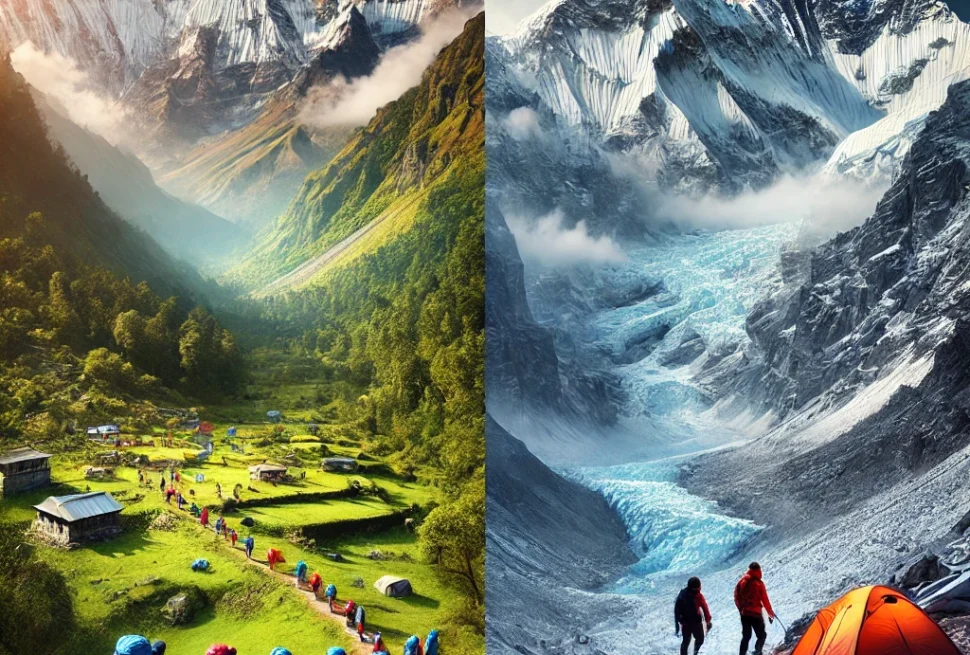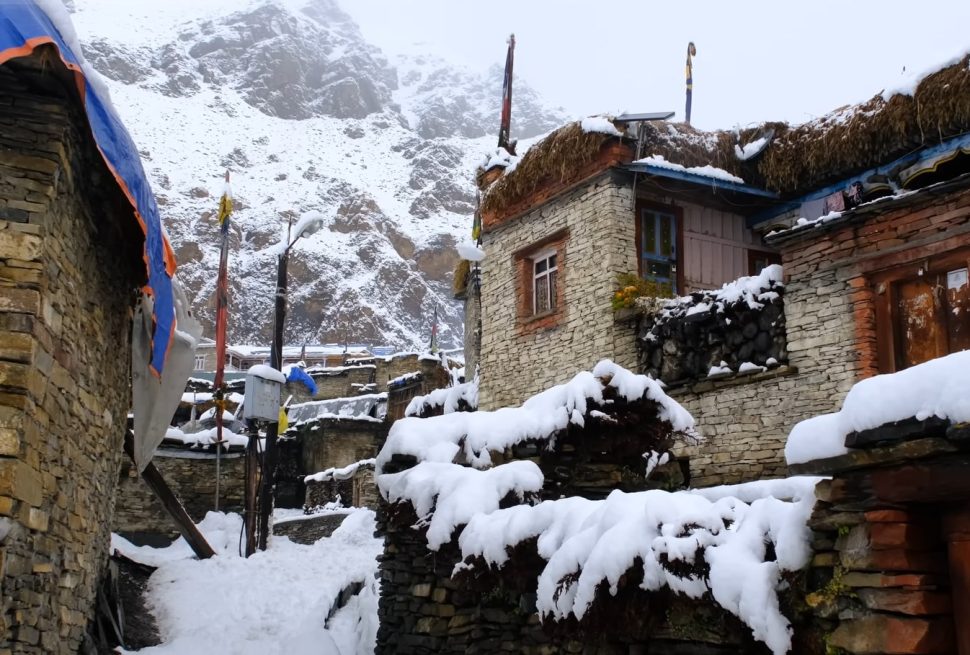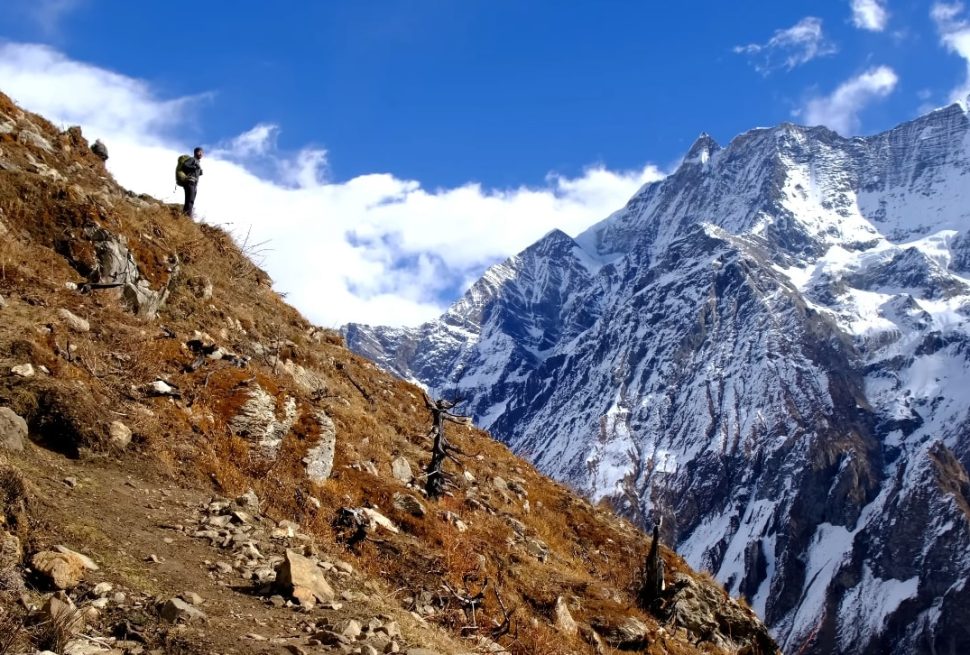

Most people search for the Everest Base Camp trek expecting a single dramatic photo at the end. The real Everest Base Camp trek is not one moment — it is twelve or thirteen days of small, honest experiences that build on each other. This trail diary walks through what the Everest Base Camp trek actually looks like day by day, without the filtered version you see on social media. If you are researching an Everest Base Camp itinerary for the first time, this guide from Trekkers Trek Nepal gives you the ground-level truth: the tired mornings, the stunning ridgelines, the slow breakfasts, and the moment Base Camp finally appears.
We run the Everest Base Camp trek regularly out of Kathmandu, and this account reflects what trekkers genuinely experience on the trail, not a brochure version of it. Trekking to Everest Base Camp tests your legs less than it tests your patience with altitude and weather. The Everest Base Camp trail diary below breaks the journey into realistic daily stages so you know exactly what to expect before you land in Lukla. Whether you are comparing this Everest region trek against the Annapurna Base Camp Trek or planning your first Himalayan trip altogether, this guide covers the Khumbu trail the way it actually unfolds.
Quick facts before we start the day-by-day breakdown:
- Typical Everest Base Camp trek duration: 12–14 days round trip from Lukla
- Maximum altitude reached: 5,364 meters at Everest Base Camp itself
- Trail region: Khumbu Valley, Sagarmatha National Park
- Difficulty: Moderate to challenging, mainly due to altitude
- Best seasons: March–May and September–November
What Everest Base Camp Actually Looks Like on Day One and Two
The Everest Base Camp trek begins before you even see a mountain. Your first real test happens at Kathmandu airport, at 5 a.m., waiting for a flight to Lukla that depends entirely on the weather over the hills. This is the part nobody photographs, yet it sets the tone for the whole Everest Base Camp itinerary. Once the plane lands on Lukla’s short, angled runway, the trek genuinely starts, and the noise of the city disappears within minutes.
Landing in Lukla and the First Steps Toward Namche
Lukla sits at 2,860 meters, and the air already feels thinner than Kathmandu’s. You walk downhill first, past mani stones and prayer flags, which surprises trekkers who expected constant climbing from day one. The trail follows the Dudh Koshi River, crossing suspension bridges strung with colorful flags that snap in the wind. Porters move faster than most trekkers, carrying loads that make your daypack feel embarrassingly light. By the time you reach Phakding for the first night, your legs feel fine — the real challenge hasn’t started yet.
The Climb to Namche Bazaar, the Trail’s Busiest Junction
Day two takes you from Phakding to Namche Bazaar, and this is where the Everest Base Camp trek stops feeling like a walk and starts feeling like a climb. The trail gains roughly 800 meters over a few hours, much of it on a steep switchback path above the river gorge. You’ll catch your first real glimpse of Everest here, framed between ridgelines, though most trekkers miss it because they’re staring at their boots. Namche itself is a bowl-shaped town built into the mountainside, full of bakeries, gear shops, and the last reliable Wi-Fi you’ll see for days. Most itineraries schedule an acclimatization day here, and skipping it is one of the most common mistakes first-time trekkers make.
What Everest Base Camp Actually Looks Like in the Middle Days
The middle stretch of the Everest Base Camp trek is where the scenery becomes genuinely overwhelming and the altitude starts working against you. This is the part of the trail diary most guidebooks rush through, but it’s where you’ll spend the bulk of your trekking days. Between Namche and Base Camp, you’ll pass through forests, high pastures, and villages that exist almost entirely to support trekkers and climbers heading toward Everest.
Tengboche, Dingboche, and the Slow Business of Acclimatizing
Leaving Namche, the trail climbs through rhododendron forest before dropping to cross the river again near Phunki Tenga. Then comes the long climb to Tengboche, home to the region’s most famous monastery, where monks still hold daily prayer ceremonies open to trekkers. From Tengboche, the trail splits toward Dingboche, and the trees disappear almost completely — you’re now walking through open, wind-scoured valleys. Dingboche sits at 4,410 meters, and most Everest Base Camp itineraries build in a second acclimatization day here, usually with a side hike up Nangkartshang Peak. Trekkers often underestimate how much these rest days matter until a bad headache reminds them.
Lobuche, Gorak Shep, and the Final Push Toward Base Camp
From Dingboche, the trail passes through Thukla, where a hillside of stone memorials honors climbers who died on Everest — a quiet, sobering stop on an otherwise scenic day. The path to Lobuche runs alongside the Khumbu Glacier’s lateral moraine, rocky and exposed, with thinning air that makes every step feel heavier. Gorak Shep, the last settlement before Base Camp, sits on a dry lakebed at 5,164 meters and feels more like a lunar outpost than a village. From here, the final walk to Everest Base Camp takes three to four hours over glacial rubble and ice, and there’s no dramatic finish line — just prayer flags, expedition tents in spring season, and the Khumbu Icefall rising ahead of you. Most trekkers describe the moment as quieter and more personal than they expected, not the cinematic triumph shown in films.
The Realistic Side of the Everest Base Camp Trek Few Blogs Admit
Every Everest Base Camp trail diary glosses over the parts that actually shape your daily experience. Altitude affects appetite, sleep, and mood long before it becomes dangerous, and this happens to nearly every trekker to some degree. Understanding this in advance changes how you experience the Everest Base Camp trek far more than any gear list does.
Altitude, Appetite, and the Mental Grind Nobody Warns You About
By day five or six, most trekkers notice their appetite dropping, even as their body burns more calories than usual. Sleep becomes shallow above 4,000 meters, broken by the Cheyne-Stokes breathing pattern that’s completely normal at altitude but unsettling the first time you notice it. Headaches, mild nausea, and general fatigue are common and usually resolve with rest, fluids, and patience rather than pushing forward. Guides on the trail watch for these signs constantly, which is one reason trekking with an experienced local team matters more at altitude than anywhere else. The mental side of the climb — the boredom of slow afternoons, the discomfort of cold teahouse rooms — often tests trekkers more than the physical distance does.
Teahouse Life: What You Actually Eat, Sleep In, and Deal With
Teahouses along the Everest Base Camp trek are simple but functional, with thin-walled rooms, shared bathrooms lower down, and dining halls heated by a single yak-dung stove. Meals center around dal bhat, noodle soups, potato dishes, and garlic soup, which locals swear helps with acclimatization. Hot showers exist but cost extra and get less reliable as you climb higher, so most trekkers accept a few unwashed days by the middle of the trek. Wi-Fi and charging also come at a price above Namche, and signal drops out completely near Base Camp itself. None of this is glamorous, but it’s part of what makes the Everest Base Camp trek feel like an genuine expedition rather than a curated tour.
Why Trekkers Choose Trekkers Trek Nepal for the Everest Base Camp Trek
Planning an Everest Base Camp itinerary alone is possible, but most first-time trekkers underestimate how much local knowledge affects safety and comfort on the trail. Our guides grew up in these mountains, and that local experience shapes everything from pacing decisions to which teahouses actually have hot water in October. Trekkers Trek Nepal is a Kathmandu-based, family-run trekking company operating out of Thamel, and every itinerary we build reflects years of firsthand trail experience rather than a copied template.
What Local Guidance Actually Changes on the Trail
A good guide reads altitude symptoms before they become serious problems, adjusts daily walking pace based on how the group feels, and knows which villages offer better rest days than others. This kind of judgment doesn’t come from a guidebook — it comes from walking the same trail dozens of times across different seasons. Our team also handles permits, flight coordination, and emergency logistics, which removes a significant amount of stress from your Everest Base Camp trek. If you’re comparing options, this is the same philosophy we apply across every route we operate, including the Everest Base Camp Trek itinerary itself.
Other Himalayan Trails Worth Considering Alongside Everest
Not every trekker has the time or fitness for a 12-day Everest Base Camp itinerary, and that’s fine — Nepal offers strong alternatives depending on your schedule and goals.
- The Annapurna Base Camp Trek (14 days) offers similarly dramatic mountain views with a slightly gentler altitude profile.
- The Annapurna Base Camp Trek – 9 Days suits trekkers with limited vacation time.
- The Annapurna Circuit Trek crosses the Thorong La Pass for trekkers wanting a longer, varied route.
- The Mardi Himal Trek is a shorter, less crowded option through rhododendron forest and ridgelines.
- The Ghorepani Poon Hill Trek works well for trekkers who want big views in under a week.
- The Langtang Valley Trek is closer to Kathmandu and ideal for first-time high-altitude trekkers.
- The Upper Mustang Trek takes you into a high-desert landscape that looks nothing like the Everest or Annapurna regions.
- Our Manaslu region trips suit trekkers looking for a quieter alternative with fewer crowds on the trail.
- For something less physically demanding, our Kathmandu City Tour and Pokhara City Tour pair well with any trekking itinerary.
Choosing the Right Trip Style for Your Everest Base Camp Journey
Beyond the route itself, the style of trek you choose shapes your daily experience just as much as the altitude does. We organize our trips by category so trekkers can match a route to their fitness level, schedule, and interests before committing to a full Everest Base Camp itinerary.
Trip Categories That Complement an Everest Base Camp Trek
If you’re building a longer Nepal itinerary around your Everest Base Camp trek, consider these trip types:
- Short Treks in Nepal for trekkers combining Everest with a shorter add-on route.
- Classic Treks for well-established, teahouse-supported routes similar to the EBC trail.
- Family-Friendly Treks for travelers bringing children or older relatives.
- Luxury Trek options for trekkers who want the same trails with upgraded lodges.
- Cultural Tours for those who want to spend extra time with Sherpa and Tibetan Buddhist heritage.
- Wildlife and Nature Tours for a lower-altitude complement to the high mountain trek.
- Adventure Treks for trekkers who want to add a physically demanding second route.
How We Support You Before, During, and After the Trek
Every Everest Base Camp itinerary we run includes support that goes beyond just walking the trail with you.
- Full permit handling, including TIMS and Sagarmatha National Park entry fees
- Kathmandu–Lukla flight coordination, with contingency planning for weather delays
- Experienced local guides trained in altitude sickness recognition and response
- Daily briefings on pacing, hydration, and acclimatization strategy
- Emergency evacuation support arranged through our Kathmandu office
Ready to see it for yourself? Here’s how to get in touch:
- Reach out through our Contact Us page for a custom Everest Base Camp itinerary.
- Read about our guides and background on the Our Team page.
- Check trip pricing, group discounts, and season-specific rates before booking.
- Browse common trekking questions on our FAQ’s page.
- Learn more about our company history on the About Us page.
We’re based in Thamel, Kathmandu, and open from 8 a.m. to 9 p.m., Sunday through Friday, for anyone who wants to talk through logistics before booking.
Practical Preparation for Trekkers Planning This Everest Base Camp Itinerary
Reading a trail diary is useful, but preparation is what actually determines whether you enjoy the Everest Base Camp trek or simply survive it. Most of the discomfort trekkers report on this route traces back to poor packing choices or skipping physical prep in the months before departure. None of this preparation needs to be extreme, but it does need to be deliberate. A little planning here saves you from a lot of suffering higher up the trail.
What to Pack and What Actually Gets Used on the Trail
Trekkers consistently overpack items they never touch and underpack the few things that matter most at altitude. A proper down jacket, a sleeping bag rated to at least -15°C, and quality trekking boots that are already broken in matter far more than extra clothing layers. Trekking poles reduce strain on your knees dramatically during the long descent back to Lukla, something first-timers rarely anticipate. A basic first-aid kit, water purification tablets, and a reliable headlamp round out the essentials that see daily use. Everything else — extra electronics, heavy books, redundant toiletries — mostly sits unused in the bottom of your duffel bag while porters carry the weight anyway.
Physical Preparation That Genuinely Helps on the Trail
You don’t need to be an athlete to complete the Everest Base Camp trek, but cardiovascular fitness does make the daily climbs noticeably easier. Hiking with a loaded daypack on hilly terrain for two to three months before departure builds the specific stamina this trail demands. Stair climbing, cycling, and swimming all help too, since they build endurance without the joint strain of running on pavement. Trekkers who arrive with some baseline fitness tend to enjoy the scenery more, simply because they’re not gasping through every uphill section. Preparation won’t eliminate the effects of altitude, but it does mean your body has fewer variables working against it at once.
Conclusion: What Everest Base Camp Really Looks Like When You Live It Day by Day
The Everest Base Camp trek isn’t a single postcard moment — it’s twelve days of early mornings, sore legs, thin air, and small human interactions along a trail that thousands of trekkers have walked before you. This trail diary covered the honest version: the flight anxiety in Lukla, the slow climb through Namche and Tengboche, the wind-scoured trail past Dingboche, and the quiet, understated arrival at Base Camp itself. Trekking to Everest Base Camp asks more of your patience and adaptability than your raw fitness, and knowing that in advance makes the whole journey easier to embrace. If this Everest Base Camp itinerary matches what you’re looking for, Trekkers Trek Nepal can help you plan a trip built around real trail conditions, not marketing photos. Reach out to our Kathmandu-based team, and let’s put together an Everest Base Camp trek that matches your pace, your season, and your goals on the mountain.