
Nepal offers two iconic treks: Annapurna Base Camp (ABC) and Everest Base Camp (EBC). Both promise breathtaking views and unforgettable experiences, but each trek has its unique charm. Let’s dive into the key differences to help you choose your next adventure.
1. Trekking Experience
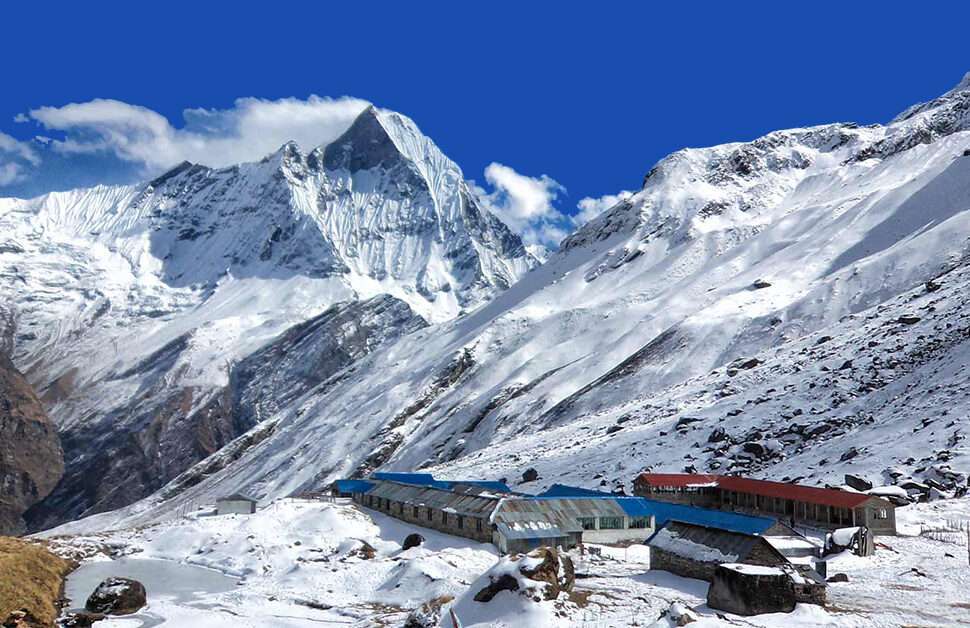
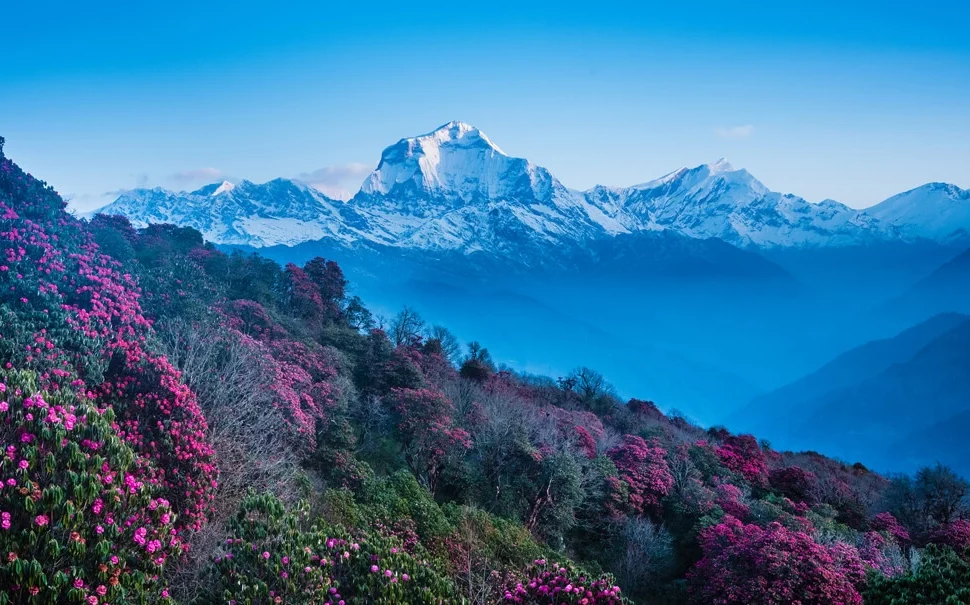
- Annapurna Base Camp (ABC): A moderate trek lasting 7-11 days, passing through lush forests, terraced farmlands, and the stunning Annapurna Sanctuary. Max elevation: 4,130 meters.
- Everest Base Camp (EBC): A more challenging 12-16 day trek to the base of the world’s tallest peak, Everest. You’ll cross suspension bridges and trek through rugged terrain. Max elevation: 5,364 meters.
2. Scenic Highlights
- ABC: Diverse landscapes, from bamboo forests to snow-capped peaks. 360-degree views of Annapurna I and Machapuchare.
- EBC: Majestic views of Mount Everest, Lhotse, and Ama Dablam, with a glacier-filled trek to Kala Patthar for panoramic Everest views.
3. Cultural Experience
- ABC: Explore Gurung and Magar villages, where you can experience Nepalese hospitality.
- EBC: Immerse in Sherpa culture, visit monasteries, and explore the famous village of Namche Bazaar.
4. Altitude and Acclimatization
- ABC: Lower altitude (4,130m), making it easier for acclimatization.
- EBC: Higher altitude (5,364m), requiring more acclimatization days.
5. Cost and Accessibility
- ABC: More affordable, starting from Pokhara (easier to access).
- EBC: More expensive, with a flight to Lukla required.
Which Trek is Right for You?
- Choose ABC for a shorter, less challenging trek with lush landscapes and cultural diversity.
- Choose EBC if you seek a more demanding trek with higher elevations and the thrill of seeing Everest up close.
No matter which trek you choose, both offer life-changing adventures through the Himalayas.