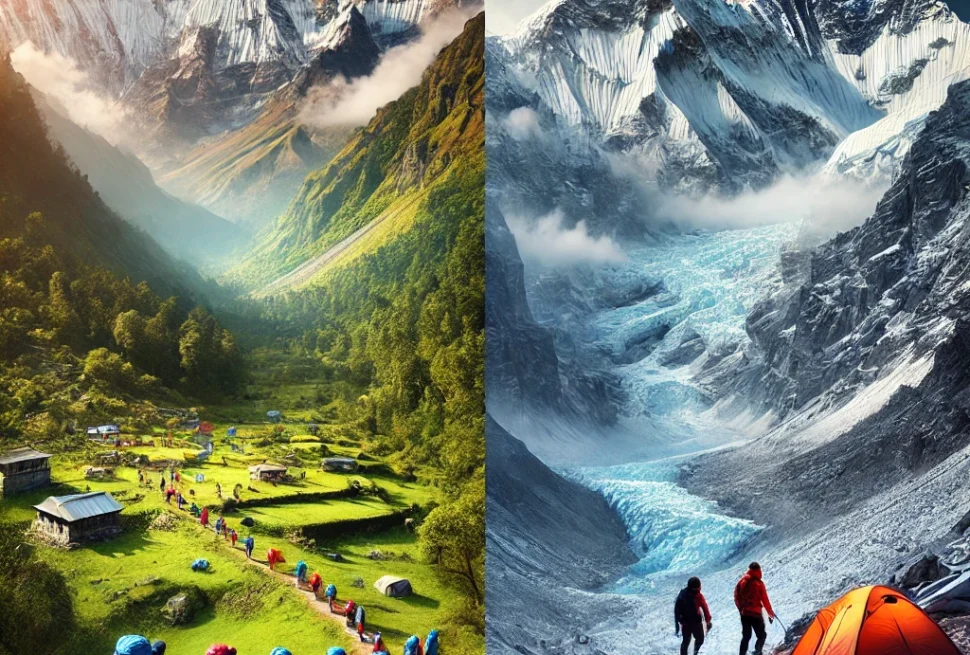

Nepal has three big names in trekking, and the Langtang Valley Trek quietly outperforms the other two for anyone stepping onto a Himalayan trail for the first time. You don’t need a mountain flight, you don’t need three weeks off work, and you don’t need years of hiking experience. What you need is a good pair of boots and about ten days. This guide walks you through everything a first-time trekker actually needs before booking a Langtang Valley Trek in 2026: the itinerary, the real cost, the permits, the packing list, and the small details that guidebooks tend to skip. If you’ve been comparing options like the Everest Base Camp Trek or the Annapurna Base Camp Trek, keep reading. Langtang might be the smarter starting point for your first Himalayan adventure.
Most people planning their first trip to Nepal picture Everest. That’s fair, the name carries weight. But a first-time trekker rarely needs a 5,364-meter finish line to feel accomplished. The Langtang region gives you glaciers, yak pastures, and Tamang villages without the flight risk, the altitude gamble, or the three-week commitment that Everest demands. It sits close enough to Kathmandu that you can start walking the same day you leave the city, which matters more than most travel blogs admit.
Why the Langtang Valley Trek Is the Ideal Choice for First-Time Trekkers
A Short Drive from Kathmandu Changes Everything
Every other major trek in Nepal starts with a flight, a long bus ride through flood-prone lowlands, or a multi-day approach march. Langtang doesn’t ask for any of that. You drive from Kathmandu to Syabrubesi in six to nine hours, and you’re on the trail the following morning. This single detail saves trekkers hundreds of dollars and removes the anxiety of a small mountain flight getting cancelled due to weather. Fewer moving parts mean fewer chances for your trip to fall apart before it even begins. For someone testing whether high-altitude trekking suits them, that reliability is worth more than an extra summit photo.
Moderate Trails Without Extreme Altitude Risk
The trail itself climbs steadily rather than punishing you in sudden bursts. You walk through bamboo groves, cross the Langtang River a few times, and gain height gradually as villages get smaller and the air gets thinner. The highest point most itineraries reach is Kyanjin Ri or Tserko Ri, both close to 4,800 to 4,984 meters, which is high but manageable with two acclimatization nights. Compare that to Everest Base Camp’s push past 5,300 meters, and you can see why guides recommend Langtang to trekkers who want a genuine Himalayan experience minus the harsher risk profile. It rewards preparation without punishing small mistakes the way higher, longer treks sometimes do.
A well-paced itinerary is the single biggest factor in whether a first-time trekker enjoys the Langtang Valley Trek or just survives it. Most operators run this route over eight to ten days, and the extra two days matter more than they sound. Rushing the ascent is the fastest way to turn an exciting trip into a miserable one, so pace deserves real attention before you book anything.
Langtang Valley Trek Itinerary for Beginners
Day-by-Day Route Breakdown
A typical ten-day plan starts with the drive to Syabrubesi, then follows the river through Lama Hotel and Langtang Village before reaching Kyanjin Gompa around day four or five. From there, most itineraries build in a rest day for the optional hike to Kyanjin Ri or Tserko Ri, both offering close-up views of Langtang Lirung at 7,234 meters. The descent typically takes half the time of the ascent, since your body handles the drop in altitude far better than the climb. Trekkers who want to extend the adventure often combine this route with the Gosaikunda Trek or the Tamang Heritage Trail, both of which connect naturally to the standard Langtang path. If you’re deciding between a short getaway and a longer immersion, this flexibility is one of Langtang’s biggest advantages over fixed routes like the Annapurna Circuit Trek.
Best Season to Start Your Langtang Valley Trek
Spring, from March to May, and autumn, from September to November, give you the clearest skies and the most stable trail conditions. Spring adds rhododendron forests bursting into pink and red, which alone justifies picking this window over any other. Autumn brings crisp mountain views and firmer trails after the monsoon rains have cleared out. Winter is possible for experienced cold-weather trekkers but expect snow above Kyanjin Gompa and colder nights in unheated teahouses. Summer’s monsoon season turns the lower trail slippery and hides the peaks behind cloud cover, so most guides steer first-timers away from it entirely.
Langtang Valley Trek Cost and Budget Planning
Money questions come up before almost anything else, and for good reason. Nobody wants to commit to a Himalayan trip only to discover hidden charges halfway through. The good news is that Langtang remains one of the more affordable Himalayan treks, generally running lower than both Everest Base Camp and the full Annapurna Circuit.
What a Standard Package Includes
A guided ten-day Langtang Valley Trek typically costs between $900 and $1,500 per person, depending on group size and the level of comfort you want. Independent trekkers who arrange their own transport and meals can sometimes get by on $700 to $900, though solo trekking without a licensed guide is no longer permitted in the Langtang region under current regulations. A standard package usually bundles the essentials so you’re not left guessing at the trailhead:
- Private or shared transport between Kathmandu and Syabrubesi
- Licensed guide and porter for the full duration of the trek
- Teahouse accommodation along the route
- Three meals a day while on the trail
- Langtang National Park entry permit and TIMS card processing
- Basic first-aid support and altitude monitoring
Hidden Costs First-Time Trekkers Forget
The listed package price rarely covers everything, and this is where budgets quietly break. Hot showers, Wi-Fi, and device charging usually cost extra as you climb higher, often $2 to $5 per use once you’re above Lama Hotel. Travel insurance with helicopter evacuation coverage is non-negotiable in this terrain and typically runs $100 to $200 for the trip, yet plenty of first-time trekkers skip it to save money. Tipping your guide and porter, generally 10 to 15 percent of the trip cost, is customary and should be planned for rather than treated as an afterthought. Budgeting an extra $200 to $300 beyond the package price keeps your trip stress-free instead of turning every teahouse menu into a math problem.
Permits and Preparation for the Langtang Valley Trek
Preparation is where confident first-time trekkers separate themselves from the ones who end up scrambling in Kathmandu the night before departure. None of this is complicated, but skipping it can delay your entire trip at the checkpoint in Dhunche.
Permits You Cannot Skip
Two documents are mandatory for anyone entering the Langtang region: the Langtang National Park Entry Permit and the TIMS (Trekkers’ Information Management System) card. Both are checked at Dhunche and again at Syabrubesi, so carrying physical copies matters even if you registered everything online beforehand. A reputable agency handles this paperwork as part of your package, which removes one more variable from a first-timer’s already long checklist. Since guides are now required for all foreign trekkers in this region, most of the permit process happens automatically once you book through a licensed operator rather than something you need to chase down yourself. Passport photos and a valid visa are also worth carrying in duplicate, since checkpoint staff occasionally request an extra copy that isn’t already attached to your permit paperwork.
Packing List and Fitness Prep
You don’t need mountaineering gear for Langtang, but you do need layers that handle temperature swings from warm daytime sun to near-freezing nights above 3,500 meters. A solid daypack, sturdy broken-in boots, a sleeping bag rated for cold weather, and a basic first-aid kit cover most of what you’ll actually use. Physical preparation matters more than gear does: a few weeks of hiking, stair climbing, or brisk walking with a loaded pack builds the stamina you’ll need for five to seven hours of daily walking. Trekkers heading into their first Himalayan trip often overpack technical equipment and underprepare their legs, which is backward. Strong legs and a realistic pace beat expensive gear every time on a trail like this.
What Makes the Langtang Region Different From Everest and Annapurna
Every Himalayan region in Nepal has its own personality, and Langtang’s is quieter and more intimate than the crowded trails toward Everest Base Camp. Fewer trekkers means shorter waits for teahouse rooms, more genuine conversations with locals, and a trail that feels less like a highway and more like a walk through someone’s actual home.
Tamang Culture Along the Trail
The Langtang Valley is home to the Tamang people, whose Buddhist traditions closely mirror those found across the Tibetan plateau. Prayer flags stretch between rooftops, mani walls line the trail, and Kyanjin Gompa itself functions as a working monastery rather than a tourist attraction dressed up for visitors. Locals here have rebuilt much of the region since the 2015 earthquake, and walking through it today carries a quiet sense of resilience that trekkers consistently mention as the most memorable part of the trip. Sampling local dishes like thukpa or fresh yak cheese from the Kyanjin Gompa dairy adds a cultural layer that pure mountain scenery can’t replicate on its own.
Wildlife Inside Langtang National Park
The park protects a wide range of species, including red pandas, Himalayan tahr, and musk deer, along with rare sightings of snow leopards at higher elevations. Dense forests of oak, pine, and bamboo give way to alpine meadows the higher you climb, creating a noticeably different landscape than the drier, more exposed trail toward Everest Base Camp. Birdwatchers also find the lower Langtang trail rewarding, since the forest canopy stays thick enough to support a wide variety of Himalayan bird species. This ecological diversity is part of why Langtang National Park earns its reputation as one of Nepal’s most biologically rich protected areas. Drone flying is strictly prohibited inside the park to protect this wildlife and the surrounding communities, so leave that piece of gear at home unless you’ve arranged separate clearance through Nepal’s civil aviation authority in advance.
Health, Safety, and Altitude Awareness on the Langtang Valley Trek
Safety questions deserve honest answers, not vague reassurance, especially for anyone attempting a high-altitude trek for the first time. The Langtang Valley Trek is considered moderate rather than extreme, but “moderate” still means you’re walking above 4,700 meters at some point, and altitude doesn’t care how fit you are back home. Understanding the real risks and preparing for them properly is what turns a nervous first-timer into a confident trekker by day three.
Recognizing Altitude Sickness Early
Mild headaches, nausea, and fatigue above 3,000 meters are common and usually resolve with rest, water, and a slower pace. The danger comes from ignoring worsening symptoms or pushing through them to keep a group schedule intact. Licensed guides are trained to spot early warning signs like confusion, loss of coordination, or persistent vomiting, and a good guide will not hesitate to recommend descent if something looks off. Staying hydrated, avoiding alcohol and sleeping pills at altitude, and building rest days into your itinerary are the three habits that prevent most serious cases. First-time trekkers who follow this advice rarely run into anything worse than a rough night’s sleep and a slow morning.
Insurance and Emergency Evacuation
Travel insurance that specifically covers high-altitude trekking and helicopter evacuation is not optional in this terrain, even though some trekkers try to skip it to cut costs. A basic travel policy purchased for a beach holiday almost never covers rescue above 3,000 meters, which is exactly the altitude range where Langtang spends most of its trail. Policies built for trekking typically cost $100 to $200 for a multi-week trip and include coverage up to 5,000 or 6,000 meters, well above anything the Langtang route reaches. Confirm the policy explicitly names helicopter evacuation rather than assuming general medical coverage extends that far, since this is the detail that catches unprepared trekkers off guard when it matters most.
Planning Your Langtang Valley Trek With the Right Team
A trek is only as good as the team running it, and this is where choosing the right partner matters as much as choosing the right route. Trekkers Trek Nepal has guided first-time trekkers through the Langtang region for years, building itineraries around realistic pacing instead of rushing groups to hit a schedule.
- Brand: Trekkers Trek Nepal — a Nepal-based trekking agency with licensed, government-registered guides
- Experience: Local Tamang and Sherpa guides who know the Langtang trail personally, not just professionally
- Support: 24/7 assistance, pre-trip briefings, and first-aid trained staff on every departure
- Pricing: Standard 10-day Langtang Valley Trek packages start around $900–$1,200 per person, with customization available for smaller or larger groups
- Call to action: Email the team directly to get a personalized quote and confirm your preferred trekking season
If Langtang isn’t quite the fit you expected, the same team also runs the Annapurna Base Camp Trek, the Everest Base Camp Trek, and shorter beginner routes for anyone still deciding where to start. Their Nepal Trekking for Beginners guide is a useful next read if you’re still weighing your first Himalayan trip, and their comparison of Annapurna Base Camp versus Everest Base Camp breaks down how those two routes stack up against something like Langtang.
Trekkers who want more altitude after finishing Langtang often move on to the Annapurna Circuit Trek or the Mardi Himal Trek, both of which build naturally on the fitness and acclimatization gained here. Culture-focused travelers sometimes pair Langtang with the Kathmandu Valley Cultural Tour before or after the trek, turning a single hike into a fuller Nepal itinerary. For trekkers chasing a bigger challenge down the road, the Manaslu Circuit Trek and the restricted-area Upper Mustang Trek are both worth bookmarking for a future trip.
Conclusion
The Langtang Valley Trek earns its reputation the honest way: through short travel time, manageable altitude, real cultural depth, and a price tag that doesn’t punish first-time trekkers for wanting a genuine Himalayan experience. You get glacier views, Tamang villages, and a national park full of wildlife, all reachable without a mountain flight or a three-week commitment. For anyone still comparing routes, Langtang consistently ranks as the most forgiving entry point into Nepal’s high-altitude trekking scene, and that reputation holds up once you’re actually on the trail. Whether this becomes your only Himalayan trek or the first of several, starting here sets a realistic, rewarding baseline for everything that follows. Book early for spring or autumn departures, since both seasons fill up fast among trekkers who’ve already done their homework on timing.
Ready to start planning? Reach out to Trekkers Trek Nepal for a customized Langtang Valley Trek itinerary built around your fitness level, schedule, and budget.