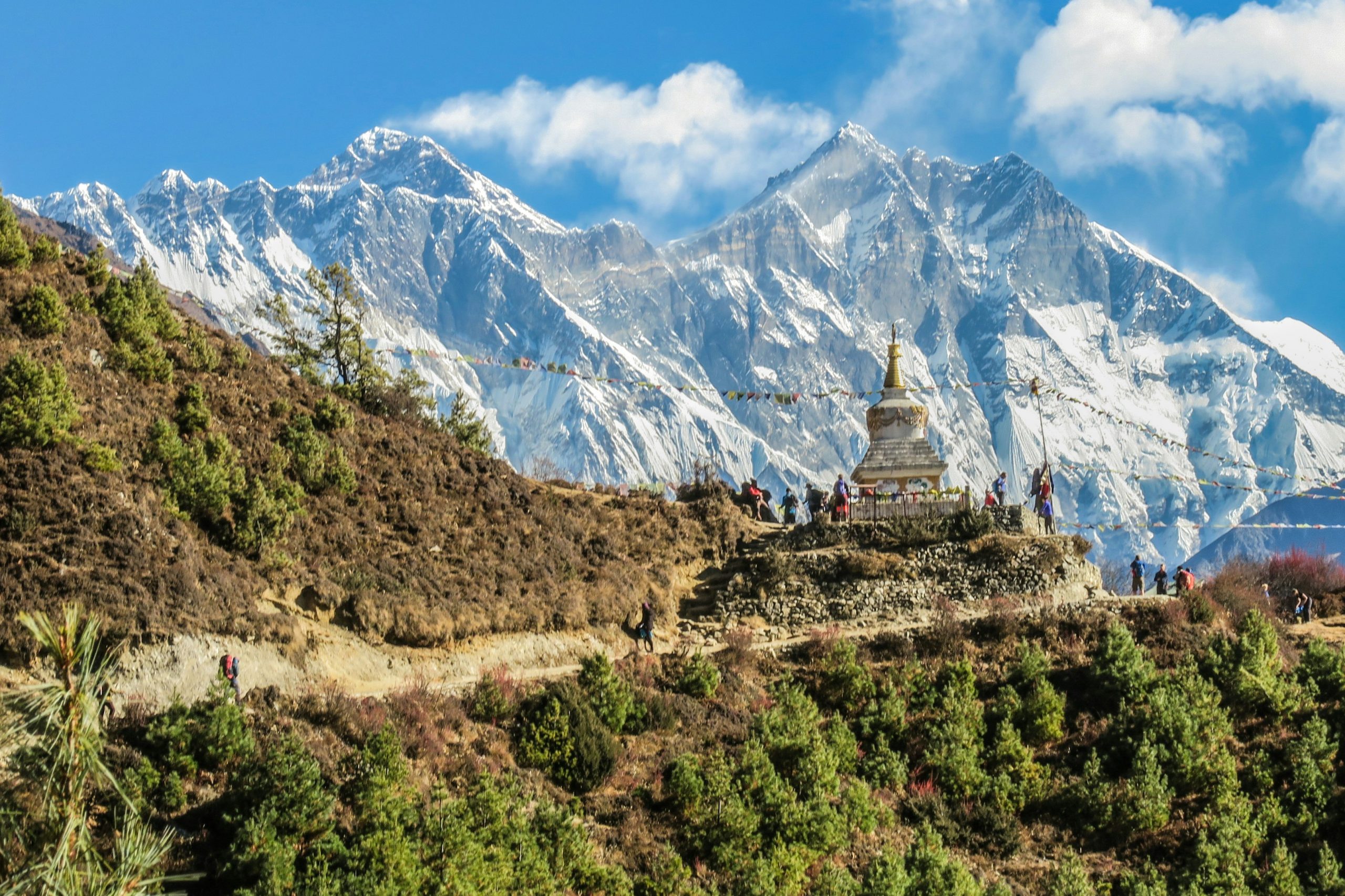
Picking the best time to trek in Nepal decides more about your trip than the trail itself does. The same path to Everest Base Camp can feel like a victory lap in October and a punishing slog in July, and that gap comes down to nothing but timing. Trekking in Nepal rewards travelers who plan around the seasons instead of around a random week off work. Spring trekking and autumn trekking dominate the calendar for good reason, but winter trekking and even monsoon season each open doors that peak-season crowds never get to see. This guide breaks the Nepal trekking season down month by month, region by region, so you know exactly when to book your Annapurna Base Camp trek, your Everest Base Camp trek, or a shorter walk through the hills above Pokhara.
Weather in the Himalayas does not behave like weather anywhere else. A clear morning at 4,000 meters can turn into a whiteout by lunch, and a single mountain range can host four different climates on four different sides. That is why the best time to trek in Nepal changes depending on which region you choose, how high you plan to go, and how much company you want on the trail. Trekkers Trek Nepal has guided travelers through every one of these windows, from the crowded high season on the Annapurna Circuit Trek to quiet winter walks near Ghorepani. This guide pulls that field experience into one place so you can match your dates to your goals rather than guessing.
Why the Best Time to Trek in Nepal Actually Matters
Nepal sits in a monsoon climate zone, and that single fact controls almost everything about trekking here. Rain patterns, temperature swings, and even flight schedules to mountain airstrips all follow the same seasonal rhythm every year. Trekkers who ignore this rhythm end up stuck in fog with zero mountain views or stranded when a flight to Lukla gets cancelled for days. Getting the season right protects your views, your budget, and sometimes your safety on high passes. It also changes how much you’ll spend, since teahouse prices and flight costs climb during the busiest weeks of spring trekking and autumn trekking.
How Weather Shapes Every Trail in the Himalayas
Altitude changes the weather forecast almost by the hour once you cross 3,000 meters. Down in the Kathmandu Valley, a January afternoon might feel mild and sunny, but the same day near Everest Base Camp could sit well below freezing with biting wind. Rain during monsoon season turns lower trails into mud and triggers landslides on unstable slopes, which is exactly why most trekking companies pause longer routes between June and August. Snow closes high passes like Thorong La on the Annapurna Circuit Trek from December through February, and crossing them without the right gear becomes genuinely dangerous. Cloud cover is the quiet villain here too, since even a rain-free day can block every mountain view if humidity builds up by mid-morning.
Crowds, Teahouses, and Why Peak Season Isn’t Always Best
Autumn trekking pulls in the largest number of visitors of any season, and popular routes like the Everest Base Camp trek can feel more like a queue than a wilderness walk. Teahouses fill up fast in October, and trekkers who don’t book ahead sometimes end up sleeping in dining rooms or common areas. Prices for rooms, food, and even hot showers rise noticeably once the high season kicks in, since demand simply outpaces the number of beds along the trail. Shoulder months right before or after the peak weeks offer nearly the same weather with a fraction of the foot traffic. Anyone who values a quiet lodge and a clear photo without twenty strangers in the frame should look seriously at these in-between windows.
Best Time to Trek in Nepal Season by Season
Nepal splits into four trekking seasons, and each one suits a different kind of traveler. Spring and autumn take the spotlight because they combine stable weather with the clearest mountain views of the year. Winter and monsoon get less attention, but both seasons have loyal fans among trekkers who prefer solitude over convenience. Knowing what each season actually delivers helps you choose based on your priorities instead of just following the crowd.
Spring Trekking in Nepal (March to May)
Spring turns the middle hills of Nepal into a wall of color as rhododendron forests bloom across routes like the Ghorepani Poon Hill Trek. Daytime temperatures stay comfortable at lower elevations, and skies tend to stay clear through the morning hours before afternoon haze sometimes builds up. This season also lines up with the best window for high-altitude passes, which makes it a favorite for the Annapurna Circuit Trek and Everest Base Camp trek alike. Wildlife becomes more visible too, and trekkers on quieter trails sometimes spot pheasants or even a distant Himalayan tahr. May can run warmer and hazier than March or April, so trekkers chasing the sharpest mountain photos usually aim for the earlier weeks.
Autumn Trekking in Nepal (September to November)
Autumn earns its reputation as the single best time to trek in Nepal for a reason: the monsoon rains wash the dust out of the sky and leave weeks of crisp, clear air behind. Temperatures sit in a comfortable range at most elevations, and visibility on peaks like Manaslu and the Annapurna range reaches its yearly peak. This is also festival season in Nepal, so trekkers passing through villages during Dashain or Tihar get a rare look at local culture alongside the mountain scenery. The tradeoff is crowding, since October and early November see the heaviest trail traffic of the entire year. Late November starts to cool down fast at altitude, which makes it a smart pick for trekkers who want autumn clarity without autumn crowds.
Month-by-Month Breakdown for the Best Time to Trek in Nepal
A season-by-season view helps with big-picture planning, but a month-by-month breakdown answers the questions that actually decide your booking date. Weather can shift meaningfully within a single season, and a trip planned for early March looks nothing like one planned for late May. This section walks through the full calendar year so you can pinpoint exactly which weeks fit your trip.
January to April: Winter Cold to Spring Bloom
January and February bring the coldest, clearest days of the year to Nepal, with sharp mountain views and almost empty trails everywhere except a handful of short, lower-altitude routes. Snow blocks the highest passes during these months, so winter trekking works best on trips like the Ghorepani Poon Hill Trek or a short Langtang Valley Trek rather than anything crossing 5,000 meters. March flips the switch toward spring, with rhododendrons starting to bloom and temperatures climbing steadily through the hills. By April, most major routes including the Everest Base Camp trek and Annapurna Base Camp trek are running at full capacity with reliable weather and long daylight hours. This four-month stretch essentially moves from Nepal’s quietest season straight into one of its busiest.
May to August: Pre-Monsoon Heat and Monsoon Rain
Early May still carries spring’s clear skies, but heat and haze build steadily as the month goes on, especially at lower elevations. Monsoon season arrives by mid-June and holds through most of August, dumping heavy rain across the middle hills and southern routes while leaving trails muddy and leech-prone. Trekking companies generally steer travelers away from lower-elevation routes during these months and instead point them toward rain-shadow regions like Upper Mustang Trek or the far side of the Manaslu Region, where mountains block most of the moisture. Days can still deliver dramatic cloud formations and sudden bursts of green across the hillsides, which photographers sometimes chase on purpose. Anyone booking a summer trip should plan for flexible dates and expect at least a few delayed flights in and out of mountain airstrips.
Best Time to Trek in Nepal by Region
Nepal’s regions don’t share a single climate, so the best time to trek in Nepal for Everest looks different than the best window for Mustang or Langtang. Elevation, distance from the monsoon-heavy south, and proximity to the Tibetan plateau all shift the ideal calendar for each area. Matching your route to its regional pattern avoids the common mistake of booking a rain-shadow trek during peak monsoon or a high pass during the dead of winter.
Everest Region and Annapurna Region Timing
The Everest region rewards trekkers most in autumn and spring, since both seasons deliver clear views of Everest Base Camp and reliable flights through Lukla’s short mountain runway. Winter is doable for lower sections of the trail, but the high camps get brutally cold and several teahouses close for the season entirely. The Annapurna region runs on a similar calendar, with the Annapurna Base Camp trek and Annapurna Circuit Trek both hitting their stride between March and May and again between September and November. Monsoon hits this region especially hard because of its southern exposure, so most operators pause longer Annapurna routes from June through August. Shorter walks like the Mardi Himal Trek can sometimes squeeze into shoulder weeks when a forecast looks unusually dry.
Langtang, Manaslu, and Upper Mustang Timing
Langtang sits close enough to Kathmandu that even a short weather window can work, and the Langtang Valley Trek stays popular through both spring and autumn thanks to its manageable altitude. The Manaslu Region demands more caution since it crosses a genuine high pass, so trekkers should stick to spring and autumn windows when snow conditions stay predictable. Upper Mustang Trek flips the usual script completely, since it sits in a rain shadow behind the Annapurna range and actually trek well during monsoon months when everywhere else floods. That quirk makes Mustang one of the only routes in Nepal where June through August genuinely counts as a smart booking window. Winter still closes Mustang down hard, with bitter wind and closed lodges making a trip nearly impossible past November.
Choosing the Best Time to Trek in Nepal for Your Trip Type
Season selection should follow your trip goals, not the other way around. A first-time trekker chasing an easy introduction to the Himalayas needs a different calendar than a seasoned hiker aiming for a high, technical pass. Matching trip type to season keeps both beginners and experts safe while still giving each traveler the experience they came for.
Best Season for Beginners and Short Treks
New trekkers should lean toward spring or autumn for the most forgiving combination of stable weather, open teahouses, and predictable trail conditions. Short routes like the Ghorepani Poon Hill Trek or a day trip through a Pokhara City Tour work well almost year-round because their lower elevation avoids the worst of winter cold and high-altitude weather risk. Family groups often do best in April or October, when daylight hours run long and temperatures stay mild enough for kids and older travelers alike. Booking a Family-Friendly Trek during these windows also means shorter daily walking distances line up with comfortable weather rather than fighting through heat or cold. Trekkers Trek Nepal generally steers first-timers toward these two seasons before anything else on the calendar.
Best Season for High-Altitude and Remote Treks
Trekkers aiming for a serious Adventure Trek or a high pass crossing should treat spring and autumn as near-mandatory rather than optional. Snow instability during winter and rain-triggered landslides during monsoon both raise real risk on remote, high-altitude terrain where rescue takes longer to reach. Routes through the Manaslu Region or a full loop on the Annapurna Circuit Trek both demand the kind of settled weather that only March through May and September through November reliably deliver. Experienced trekkers chasing solitude sometimes push into the very start or tail end of these windows, catching decent weather with far fewer people on the trail. Anyone considering a Classic Trek at extreme altitude should also build in a few buffer days, since even peak season occasionally throws a surprise storm into the mix.
How Trekkers Trek Nepal Helps You Plan Around the Weather
Choosing dates is only half the job, and matching those dates to the right route, permits, and pace takes local knowledge that changes year to year. Trekkers Trek Nepal has spent years reading these seasonal patterns across every major region in the country, and that experience shapes every itinerary the team builds.
Here’s what working with a local operator adds to your trip:
- Season-matched itineraries across popular routes including the Everest Base Camp trek, Annapurna Base Camp trek, and Upper Mustang Trek
- Real-time trail and weather updates from guides currently working in each region
- Flexible rebooking if monsoon rain or winter snow forces a date change
- Local pricing insight, since peak-season rooms and permits often cost more than shoulder-season ones
- Direct support through Contact Us for custom date planning
Frequently Asked Questions
- What is the single best month to trek in Nepal? October generally offers the clearest skies and most stable weather across almost every region.
- Can I trek in Nepal during monsoon season? Yes, but stick to rain-shadow regions like Upper Mustang rather than the Annapurna or Langtang areas.
- Is winter trekking in Nepal safe? Lower routes like Ghorepani Poon Hill stay safe and scenic, while high passes should wait for spring or autumn.
- Does spring or autumn have better mountain views? Autumn usually wins for clarity, while spring wins for colorful rhododendron forests along the trail.
- How far ahead should I book for peak season? Booking two to three months ahead for October or April trips secures better teahouse availability and pricing.
Conclusion
The best time to trek in Nepal isn’t one fixed answer, since it shifts based on your chosen route, your tolerance for crowds, and how high you plan to climb. Spring and autumn cover the safest bet for most trekkers, delivering the clearest views and the most reliable weather across popular routes like the Everest Base Camp trek and Annapurna Circuit Trek. Winter and monsoon each open up quieter, cheaper options for trekkers willing to choose their region carefully, whether that means a low-altitude walk near Ghorepani or a rain-shadow trip through Upper Mustang. Whatever window you pick, matching the season to the specific trail keeps your trip both safer and more rewarding. Reach out to Trekkers Trek Nepal through the Contact Us page to line up your dates with the right route for the season you choose.