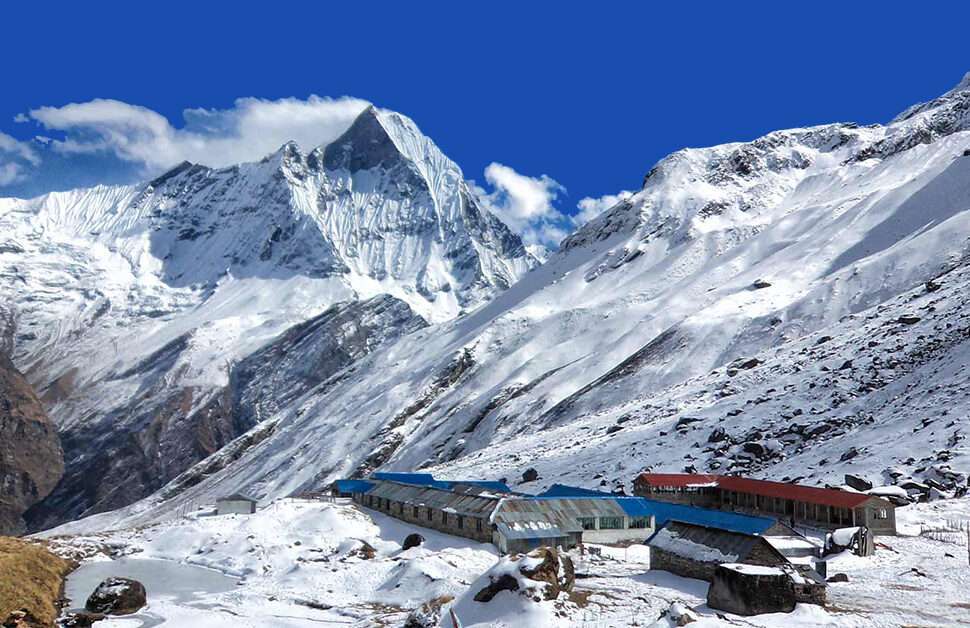
Altitude sickness in Nepal catches more trekkers off guard than any river crossing, landslide, or bad weather day ever will. You can train for months, pack the right gear, and still end up sitting in a teahouse at 4,000 meters wondering why your head feels like it’s being squeezed in a vice. Altitude sickness in Nepal doesn’t care about your fitness level, your age, or how many marathons you’ve run back home. It cares about how fast you climbed and how well your body adjusted to thinner air, and that’s a detail many itineraries quietly skip past.
This guide walks through the real warning signs of altitude sickness in Nepal, including the ones that rarely make it into a standard briefing. Some guides are excellent and flag every symptom early. Others are rushed, undertrained, or simply used to pushing groups through fixed schedules, and high altitude sickness gets treated as a minor inconvenience instead of a genuine medical risk. Trekking in Nepal at altitude means your lungs, your brain, and your blood are all working overtime, and acute mountain sickness (AMS) is your body’s way of telling you it’s losing that fight.
Whether you’re heading toward Everest Base Camp, tackling the Annapurna Circuit, or taking on a shorter route like the Mardi Himal Trek, altitude sickness in Nepal can show up anywhere above 2,500 meters. This article breaks down what actually happens in your body, why some warning signs get missed on the trail, and what you can do to stay safe no matter which route you choose or which guide you’re walking with.
What Altitude Sickness in Nepal Actually Feels Like on the Trail
Altitude sickness in Nepal rarely announces itself with a dramatic collapse. It creeps in through small, easy-to-dismiss discomforts that most trekkers blame on tiredness, dehydration, or a bad night’s sleep. A mild headache after a long climbing day feels normal. A slightly upset stomach after a greasy dal bhat feels normal too. The problem is that acute mountain sickness often hides behind exactly these ordinary explanations, and that overlap is precisely why so many cases get missed until they’re already serious.
Your body needs time to produce more red blood cells and adjust to lower oxygen levels, and that process simply cannot be rushed no matter how strong your legs are. High altitude sickness typically develops between 6 and 24 hours after arriving at a new elevation, which is why the first night at a higher camp matters so much. Trekkers who climbed a demanding route like the Annapurna Base Camp Trek or the Everest Base Camp Trek often assume that reaching camp safely means the hard part is over, when in reality their body’s real test only begins once they stop moving.
Early Warning Signs Most Trekkers Brush Off
The earliest signs of altitude sickness in Nepal are frustratingly easy to explain away, and that’s exactly the danger. A dull, persistent headache that doesn’t fully go away with paracetamol deserves attention rather than a shrug. Loss of appetite at dinner, even after a long day of burning thousands of calories, is another signal your body sends before things escalate. Mild nausea, shortness of breath on flat ground, and unusually vivid or restless sleep round out the list of symptoms guides sometimes label as “normal trek fatigue.”
None of these signs are dangerous on their own, and plenty of healthy trekkers experience one or two of them without any lasting issue. The problem starts when three or more of these symptoms stack together on the same day, because that combination usually means your body isn’t adjusting the way it should. Guides who are managing large groups, tight schedules, or language barriers can genuinely miss these early flags, especially when a trekker downplays how they’re feeling to avoid slowing the group down.
How Altitude Sickness in Nepal Progresses If You Ignore It
Left unchecked, altitude sickness in Nepal moves through fairly predictable stages, though the speed of that progression varies wildly from person to person. Mild AMS can turn into moderate AMS within a matter of hours, bringing a throbbing headache that no longer responds to medication and nausea that makes eating almost impossible. Balance starts to feel slightly off, coordination gets clumsy, and some trekkers describe a strange mental fog that makes simple decisions feel harder than they should.
The most dangerous stage is when altitude sickness in Nepal develops into High Altitude Pulmonary Edema (HAPE) or High Altitude Cerebral Edema (HACE), both of which can become fatal within hours without immediate descent. Warning signs at this stage include extreme confusion, a wet cough, severe breathlessness even at rest, and a loss of coordination severe enough that walking in a straight line becomes impossible. This is precisely why acclimatization days exist on routes like the Manaslu Circuit Trek and the Upper Mustang Trek, giving your body the buffer it needs before pushing to the next elevation band.
Why Guides Sometimes Miss the Real Warning Signs
Not every case of missed altitude sickness in Nepal comes down to negligence. Most guides genuinely want their trekkers to finish safely, and the vast majority take AMS seriously. The gap usually comes from a mix of scheduling pressure, group dynamics, and the simple fact that symptoms overlap with things everyone experiences on a long trek anyway. Understanding why these warning signs slip through the cracks helps you become your own best safeguard on the trail.
Fixed itineraries, especially budget packages with rigid day-by-day schedules, leave very little room to pause for a rest day if someone starts showing early symptoms. A guide juggling eight or ten trekkers with different fitness levels can’t always monitor every single person closely enough to catch subtle changes. This is one of the biggest reasons trekkers researching the Langtang Valley Trek or the Ghorepani Poon Hill Trek should ask directly how flexible the itinerary really is before booking.
The Pressure to Keep the Itinerary Moving
Fixed-day packages exist because they’re easier to sell, easier to price, and easier to plan around flights and permits. That structure works fine when everyone in the group acclimatizes normally, but it becomes a serious liability the moment altitude sickness in Nepal shows up in even one member of the group. A guide under pressure to hit a lodge by a certain time might interpret a trekker’s slower pace as low fitness rather than an early symptom worth investigating.
Group trekking adds another layer of complexity here, because trekkers often don’t want to be “the one who slows everyone down.” That social pressure leads people to mask symptoms, skip mentioning a headache, or push through nausea rather than speak up. A well-run operator builds buffer days into routes like the Everest Base Camp Trek specifically to remove this pressure, but not every company on the market does the same.
Symptoms That Look Like Something Else Entirely
Altitude sickness in Nepal often mimics ordinary travel discomfort so closely that even attentive guides can misread it. Dehydration from dry mountain air causes headaches too, and travelers’ diarrhea from unfamiliar food causes nausea and fatigue that look almost identical to mild AMS. Jet lag combined with early trekking starts leaves people groggy and short-tempered in ways that overlap heavily with acute mountain sickness symptoms.
This overlapping symptom picture is exactly why self-monitoring matters as much as guide supervision. A simple rule helps cut through the confusion: if a symptom appears or worsens specifically after gaining elevation rather than after a meal or a poor night’s sleep, treat it as altitude-related until proven otherwise. Trekkers on higher routes such as the Annapurna Circuit Trek, where elevation gain happens over many days, should track this pattern daily rather than assuming every bad day is unrelated to altitude.
The Warning Signs Nepal Trekking Guides Won’t Always Mention
Beyond the textbook symptoms, altitude sickness in Nepal produces a handful of subtler warning signs that rarely make it into a standard pre-trek briefing. These signs matter because they often appear before the more obvious symptoms, giving you a valuable early window to slow down, rest, or descend before things get serious. Knowing them puts you ahead of trekkers who only recognize AMS once it’s already uncomfortable.
Here are warning signs of altitude sickness in Nepal that deserve far more attention than they usually get:
- Unusual irritability or short temper that doesn’t match your normal personality, often an early sign of reduced oxygen reaching the brain
- Difficulty with simple math or memory, such as struggling to count steps or forgetting what you just said mid-sentence
- A resting heart rate that stays elevated even after ten minutes of sitting still, rather than settling down like it normally would
- Puffiness in the face, hands, or ankles that appears overnight without any obvious cause
- A dry, persistent cough that starts small and gradually worsens over one or two days
- Reduced urine output despite drinking plenty of water, a sign your kidneys are struggling to keep up with fluid shifts at altitude
Subtle Cognitive Changes Nobody Talks About
Cognitive symptoms of altitude sickness in Nepal deserve far more attention than they typically receive on group treks. Reduced oxygen affects brain function well before it affects your legs, which means mental fog, poor decision-making, and slower reaction times often show up before physical exhaustion does. Trekkers sometimes describe feeling “not quite themselves,” struggling to follow conversations, or making uncharacteristically poor choices about pace and layering.
Because these changes are internal, they’re incredibly easy to hide from a guide unless someone actively asks the right questions. Trekking partners matter enormously here, since a friend or family member is often better positioned to notice personality shifts than a guide managing a larger group. Anyone heading up a longer, higher route like the Manaslu Circuit Trek should agree on a simple daily check-in with their trekking partner specifically built around this.
Nighttime Symptoms That Get Dismissed as Fatigue
Nighttime symptoms of altitude sickness in Nepal are some of the most commonly ignored, largely because everyone expects to sleep poorly at altitude anyway. Periodic breathing, where breathing stops for a few seconds and then restarts with a gasp, is common at altitude and usually harmless on its own. However, waking up gasping for air combined with a racing heart, or waking with a headache that wasn’t there before bed, points toward something more significant than ordinary altitude-related sleep disruption.
Many trekkers on routes with rapid elevation gain, including sections of the Upper Mustang Trek, report their worst symptoms appearing overnight rather than during the day’s walking. This happens because breathing rate naturally slows during sleep, reducing oxygen intake even further at a time when the body is already working hard to adjust. If you wake up feeling noticeably worse than when you went to bed, that’s a signal worth mentioning to your guide immediately rather than waiting to see if it passes.
How to Protect Yourself With or Without a Guide
Protecting yourself from altitude sickness in Nepal doesn’t require expensive gear or a medical degree. It requires honesty about your symptoms, patience with your pace, and a willingness to prioritize your health over finishing an itinerary on schedule. Trekking in Nepal rewards people who respect the mountain’s timeline rather than their own travel calendar, and that mindset shift alone prevents the vast majority of serious altitude sickness in Nepal cases.
Simple daily habits make a bigger difference than most people expect once they’re actually on the trail. Drinking three to four liters of water daily, avoiding alcohol above 3,000 meters, and eating enough calories even when appetite drops all support your body’s acclimatization process. Trekkers heading toward high passes on routes like the Annapurna Circuit Trek should also carry a portable pulse oximeter, since a dropping oxygen saturation reading often confirms a problem before symptoms become obvious.
Acclimatization Rules That Actually Work
The golden rule of altitude sickness in Nepal prevention is simple: climb high, sleep low, and never increase sleeping elevation by more than 300 to 500 meters per night above 3,000 meters. Built-in rest days, like the ones scheduled on the Everest Base Camp Trek around Namche Bazaar and Dingboche, exist specifically to let your body catch up with the altitude gain from previous days. Skipping these rest days to save time is one of the most common and most avoidable mistakes trekkers make.
Medication like acetazolamide (Diamox) can help some trekkers acclimatize faster, though it should only be used after consulting a doctor before your trip rather than as a last-minute decision at altitude. Physical fitness matters far less than most people assume, since altitude sickness in Nepal affects marathon runners and casual walkers at roughly the same rate. What actually matters is pace, hydration, and your willingness to stop climbing the moment symptoms appear rather than pushing through them.
When to Turn Back, No Matter the Cost
Knowing when to descend is the single most important skill for managing altitude sickness in Nepal, and it’s a decision that should never be influenced by cost, pride, or a tight schedule. If symptoms worsen despite rest, or if any sign of HAPE or HACE appears, descending immediately is the only acceptable response. No summit, no base camp photo, and no non-refundable package is worth permanent injury or death.
- Descend at least 300 to 500 meters as soon as moderate symptoms appear and don’t improve within a few hours
- Never continue ascending with a headache that worsens or fails to respond to basic medication
- Treat confusion, loss of coordination, or a wet cough as an emergency requiring immediate descent and evacuation support
- Trust your instincts over the schedule, since a delayed or shortened trek is always better than a medical emergency at altitude
Choosing a Trek and Team That Takes Altitude Seriously
The single biggest factor in avoiding severe altitude sickness in Nepal isn’t your fitness level or your gear list; it’s the operator and itinerary you choose before you even land in Kathmandu. A well-designed itinerary builds acclimatization days into the schedule from the start, rather than treating them as optional extras that get cut when time runs short. This single choice, made months before you ever set foot on a trail, does more to protect you than almost anything you can do once you’re already walking.
Shorter, lower-elevation options like the Ghorepani Poon Hill Trek carry less altitude risk by design, making them a smart choice for first-time trekkers or anyone nervous about AMS. Higher routes demand more planning, more rest days, and a guide team genuinely trained to recognize warning signs early rather than assuming everyone is just tired.
What to Ask Before You Book
Before booking any high-altitude trek in Nepal, ask your operator directly how many acclimatization days are built into the itinerary and whether those days can be extended if needed. Ask what training your guides have received specifically around recognizing and responding to altitude sickness in Nepal, not just general first aid. A confident, specific answer is a good sign; a vague answer about “experienced guides” without details is worth following up on.
It’s also worth asking what the evacuation plan looks like if HAPE or HACE symptoms appear on a remote section of trail, since response time genuinely matters in these situations. Reputable operators carry basic oxygen or portable altitude chambers on higher routes and maintain direct contact with rescue services throughout the trek. These are reasonable, standard questions, and any operator worth trusting will answer them without hesitation.
Why Trekkers Trek Nepal Builds Acclimatization Into Every Itinerary
At Trekkers Trek Nepal, every high-altitude itinerary is built around proper acclimatization rather than the fastest possible schedule. Whether you’re joining the Everest Base Camp Trek, the Annapurna Base Camp Trek, or the shorter Annapurna Base Camp Trek – 9 Days, rest days are placed exactly where your body needs them rather than where a spreadsheet says they should go. Guides are trained to watch for the subtle warning signs covered in this article, not just the obvious ones, and every group carries the equipment needed to respond quickly if something goes wrong.
If you’d rather start with a lower-risk route, the Ghorepani Poon Hill Trek and the Mardi Himal Trek both offer incredible mountain views with far gentler elevation profiles. For trekkers craving quieter trails away from the crowds, the Annapurna Circuit Trek and the Upper Mustang Trek both build in generous acclimatization time across their longer itineraries. Families and first-timers exploring gentler terrain often start with the Langtang Valley Trek, which still reaches meaningful altitude while keeping daily elevation gain manageable.
Here’s how to reach the team directly if you have questions before booking:
- Brand: Trekkers Trek Nepal, based in Thamel, Kathmandu
- Explore packages: Plan Your Trip for current pricing, availability, and custom itinerary requests
- Sample pricing: the Mardi Himal Trek starts around $817, while the 14-day Annapurna Base Camp Trek is priced around $1,190, both including acclimatization days built into the schedule
- New to trekking? Browse the Short Treks in Nepal or Classic Treks collections for lower-altitude options
- Want more of a physical push? The Adventure Treks collection includes higher, more demanding routes with full acclimatization support
- Not sure where to start? Read more on the About Us page or check the FAQ’s for common trekking questions
Trekkers combining a trek with some downtime can also add on the Kathmandu City Tour or the Pokhara City Tour before or after their main trek, both at low elevation with zero altitude risk.
Conclusion
Altitude sickness in Nepal is manageable, predictable, and largely preventable once you know what to actually watch for. The real danger isn’t altitude itself; it’s ignoring the early, easy-to-dismiss warning signs until they turn into something far more serious on a remote section of trail. Pay attention to headaches that don’t improve, appetite that disappears, personality changes your trekking partner notices before you do, and nighttime symptoms that feel worse than ordinary trek fatigue.
Choose an operator that builds real acclimatization time into your itinerary, ask direct questions about guide training before you book, and never let a schedule pressure you into climbing higher than your body is ready for. Trekking in Nepal offers some of the most rewarding mountain scenery on the planet, and respecting altitude sickness in Nepal as a genuine medical risk is what lets you actually enjoy it instead of just surviving it. Reach out to Trekkers Trek Nepal directly if you want an itinerary built around your pace rather than a generic schedule, because the mountains reward patience far more than they reward speed.