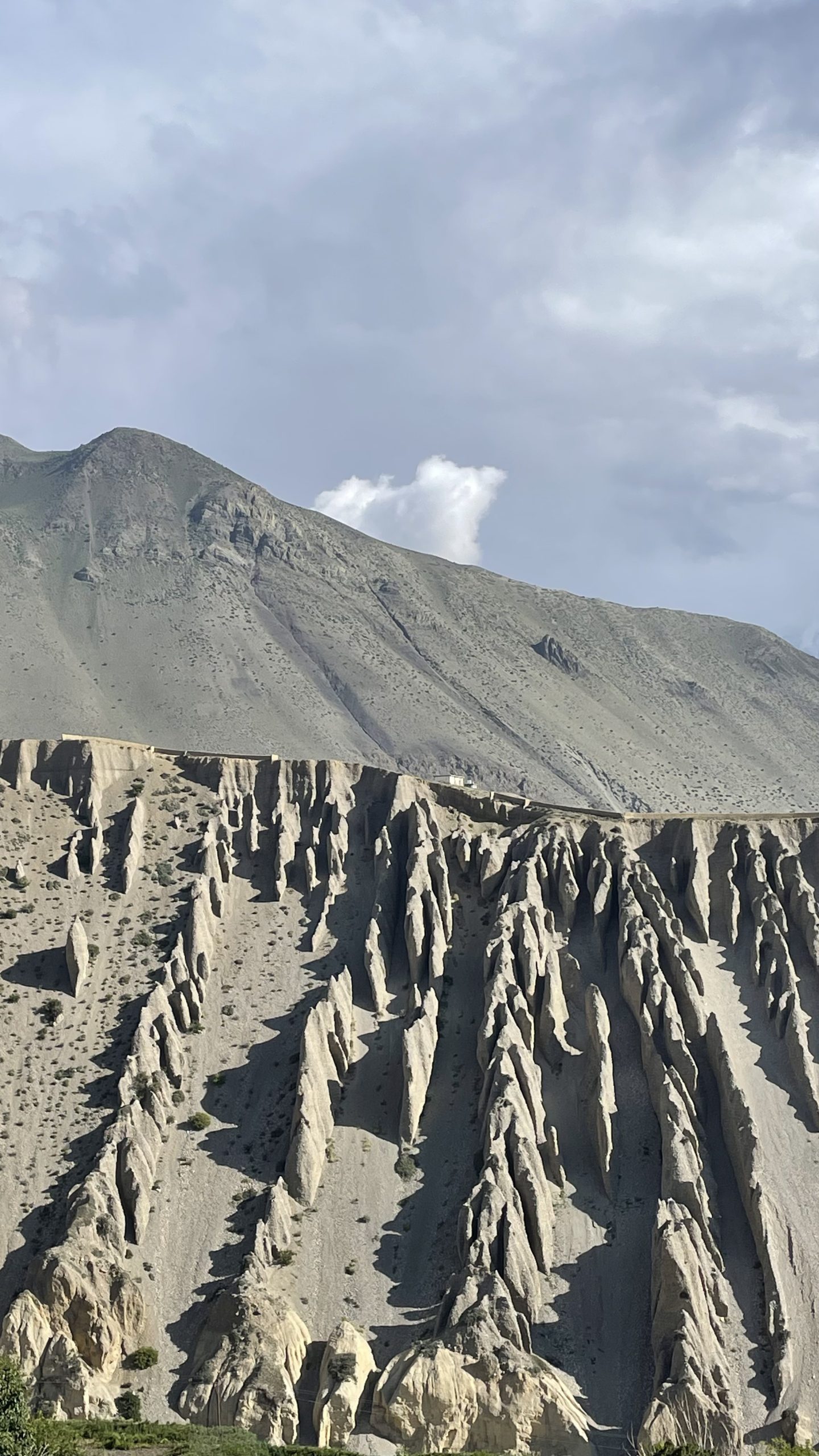
Most people picture green forests, rhododendron trails, and glacier views when they think of trekking in Nepal. The Upper Mustang Trek breaks that picture completely. This is a high-altitude desert tucked behind the Annapurna massif, and it looks more like the Tibetan plateau than anything found on a typical Nepal Himalayas itinerary. Walk through Lo Manthang and you will understand why locals still call this region the Forbidden Kingdom, a place that stayed closed to foreigners until 1992.
At Trekkers Trek Nepal, we have guided trekkers across the classic routes for years, from the Annapurna Base Camp Trek to the Everest Base Camp Trek, and nothing compares to the Mustang region for sheer contrast. The Upper Mustang Trek does not follow the script that other Nepal Himalayas treks follow. There are no dense forests here. There are no monsoon delays either, because Mustang sits in a rain shadow that keeps the trail walkable even when the rest of the country is soaked. Canyons carved in red and ochre rise beside the trail, chortens dot the ridgelines, and the wind carries prayer flags across a landscape that feels closer to Mongolia than to Kathmandu.
This blog walks through everything a trekker needs before booking a Mustang region trek: the history, the route, the permits, the culture, and the honest difficulty level. Whether you have already completed the Langtang Valley Trek and want something different, or this is your first trans-Himalayan trek altogether, Upper Mustang rewards curiosity in a way few other trails in Nepal can match. Let’s get into what actually makes this trek so different, because the reasons go far beyond the scenery.
What Makes the Upper Mustang Trek Different From Every Other Himalayan Trail
Every Nepal Himalayas trek has its own personality, but the Upper Mustang Trek stands apart because it does not behave like a Himalayan trek at all. You walk through terrain shaped by wind and drought rather than snow and rainfall. Villages here grow barley and buckwheat in narrow irrigated strips, a farming style borrowed from Tibet rather than the mid-hills of Nepal. Locals speak a dialect closer to Tibetan than Nepali, and their homes are built from mud-brick rather than stone. Trekkers who have done the Ghorepani Poon Hill Trek or the Mardi Himal Trek often describe Mustang as trekking on a different planet, and that reaction is fair.
A Landscape That Looks Like Tibet, Not Nepal
The Kali Gandaki gorge splits the Annapurna and Dhaulagiri ranges, and once you pass through it into Upper Mustang, the scenery changes within hours. Cliffs turn orange and grey. Trees disappear almost entirely above Kagbeni. Cave dwellings, some over a thousand years old, sit carved into the cliff faces above the trail, and nobody fully agrees on who built them or why. This is what separates the Upper Mustang Trek from anything you would find on the Annapurna Circuit or the Manaslu Circuit Trek. The trail feels ancient in a way that has nothing to do with altitude and everything to do with isolation.
The Rain-Shadow Effect That Changes Everything
Because Mustang sits behind the Annapurna and Dhaulagiri ranges, monsoon clouds simply cannot reach it. This rain-shadow effect means the Upper Mustang Trek stays trekkable during June, July, and August, months when most other Nepal trekking routes turn muddy and leech-infested. Trekkers who cannot get time off during the standard spring or autumn season finally have a reliable summer option. The dry climate also protects centuries-old murals and manuscripts inside Mustang’s monasteries, which is part of why the region holds such deep cultural and historical value today.
The History Behind Nepal’s Forbidden Kingdom
Upper Mustang carries the nickname Forbidden Kingdom for a real historical reason, not a marketing one. The Kingdom of Lo functioned as an independent buffer state between Tibet and Nepal for centuries, and it kept its own monarchy long after the rest of the country unified under a single ruling system. Foreign trekkers were completely barred from entering until the Nepal government opened it in 1992, and even now the region requires a special restricted-area permit. That single fact tells you how protected and untouched this trekking destination has remained compared to busier routes.
Why Upper Mustang Was Closed to Outsiders Until 1992
The government kept Upper Mustang closed partly for political sensitivity, given its proximity to the Tibetan border, and partly to preserve the region’s isolation from outside influence. When it finally opened, trekking numbers were capped through a costly permit system that still exists today. This restriction is exactly why villages like Charang and Ghami look almost unchanged from a century ago. Compare that to the more developed teahouse trails along the Everest Base Camp Trek, and the difference in preservation becomes obvious within the first two days of walking.
The Last Walled City of Lo Manthang
Lo Manthang is the walled capital of the former Kingdom of Lo, and it remains one of the last intact medieval walled cities anywhere in the world. The royal palace still stands at its center, four monasteries hold centuries-old murals inside its boundaries, and the streets are still narrow enough that a loaded mule barely fits through. Trekkers usually spend a full rest day here exploring the palace grounds and the Jampa Lhakhang monastery, which houses a three-story statue of the Maitreya Buddha. Nothing else on a standard Nepal Himalayas itinerary compares to walking inside a living medieval city like this one.
Upper Mustang Trek Itinerary: What to Expect Day by Day
A standard Upper Mustang Trek itinerary runs between 10 and 14 days depending on the operator and whether you fly or drive to Jomsom. Most trekkers start in Kathmandu, take a short flight or scenic drive to Pokhara, then continue by flight to Jomsom before beginning the actual walking portion. The trail moves gradually north along the Kali Gandaki valley, gaining altitude slowly enough that acclimatization rarely becomes a serious problem. Days are shorter than on treks like the Annapurna Circuit Trek, usually five to six hours of walking, which makes Mustang a genuinely approachable option for moderately fit trekkers.
The Trek Route From Jomsom to Lo Manthang
From Jomsom, the trail passes through Kagbeni, the official checkpoint into the restricted area, then continues to Chele, Syangboche, Ghami, and Charang before reaching Lo Manthang. Each village has its own gompa, its own chorten gateway, and its own small guesthouse where trekkers rest for the night. The return route often loops through Dhakmar and Ghar Gumba, one of the oldest monasteries in Nepal, before rejoining the outbound trail back to Jomsom. This loop structure means you rarely walk the same stretch twice, which keeps the scenery fresh for the entire trip.
Best Time to Trek Upper Mustang
Because of the rain-shadow effect mentioned earlier, the Upper Mustang Trek has a genuinely wide trekking window compared to other Nepal Himalayas routes. March through November all work reasonably well, with the Tiji Festival in May drawing trekkers who want to witness traditional masked dances performed by monks in Lo Manthang. Winter months bring harsh winds and closed guesthouses, so most operators, including our own team, recommend avoiding December through February for this specific region.
Permits, Costs and Practical Planning for the Upper Mustang Trek
Upper Mustang requires more paperwork than most Nepal trekking routes, and trekkers should budget for this in advance. The restricted-area permit costs significantly more than standard TIMS or ACAP permits because the government limits how many people can enter the region at once. Planning ahead saves both money and last-minute stress once you land in Kathmandu.
Here is what trekkers typically need to arrange before departure:
- Restricted Area Permit (RAP) for Upper Mustang, required for every day spent inside the region and priced per person per day
- Annapurna Conservation Area Permit (ACAP), since the trek passes through conservation-protected land before entering Mustang
- A licensed guide, which is mandatory by law for the restricted zone, unlike some open routes
- Travel insurance covering high-altitude trekking up to at least 4,000 meters
- Domestic flight bookings for the Kathmandu-Pokhara-Jomsom route, which should be confirmed early since seats fill quickly in peak season
Permit Requirements and Restricted Area Fees
The restricted-area permit for Upper Mustang is issued only through a registered trekking agency, and solo backpacking without a licensed guide is not legally permitted in this zone. This differs from treks like the Langtang Valley Trek or the Ghorepani Poon Hill Trek, where independent trekking remains an option. The permit fee structure is tiered by number of days, so shorter itineraries reduce the total permit cost, though most trekkers find the extra days worthwhile once they see Lo Manthang.
How Difficult Is the Upper Mustang Trek
Difficulty-wise, Upper Mustang sits in the moderate category. The maximum altitude rarely exceeds 3,900 meters, which is considerably lower than Everest Base Camp or the Annapurna Circuit high pass. The real challenge comes from strong afternoon winds that pick up daily in the Kali Gandaki valley, sometimes strong enough to make walking uncomfortable rather than dangerous. Trekkers generally start early each morning and finish by early afternoon specifically to avoid this wind pattern. Anyone who has managed the Mardi Himal Trek or a similar moderate route should handle Upper Mustang without much difficulty.
Fitness preparation still matters, even at these lower altitudes. Walking six to seven hours a day over rocky, wind-blown terrain adds up over a two-week trip, and previous trekking experience helps more than raw gym fitness. Jeep and mule options exist for trekkers who want to skip a difficult stretch, something not available on most Everest region routes. Because the trail follows the Kali Gandaki riverbed for long sections, elevation gain happens gradually rather than in sharp, punishing climbs. This makes Upper Mustang a reasonable first high-altitude trek for someone who has already completed shorter routes like the Ghorepani Poon Hill Trek and wants to progress toward longer expeditions.
Culture, People and Monasteries Along the Trail
The cultural depth of Upper Mustang is arguably the strongest reason to choose this trek over a purely scenic route. Every village functions almost like an open-air museum, with centuries-old gompas, chortens, and mani walls lining the trail. Buddhism here blends with older Bon traditions in ways that are rarely visible elsewhere in Nepal. This layered religious history gives the region an authenticity that heavily commercialized routes have slowly lost over the decades.
Tibetan Buddhist Heritage in Every Village
Monasteries in Charang, Ghami, and Lo Manthang hold murals, thangka paintings, and manuscripts that date back several hundred years, some predating similar art found in Tibet itself due to destruction during the Cultural Revolution. Local monks still perform daily rituals inside these gompas, and visitors are usually welcome to observe quietly. Because the dry desert climate protects these artworks from moisture damage, Upper Mustang has become an important site for scholars studying early Tibetan Buddhist art.
Meeting the Loba People of Mustang
The people of Upper Mustang, known as Loba, maintain a distinct identity shaped by centuries of trade between Tibet and the Indian plains. Salt, wool, and grain once moved through this exact trail long before trekking tourism existed. Homestays and teahouses run by Loba families give trekkers a chance to hear this history directly, often over cups of butter tea served in simple stone kitchens. This kind of cultural exchange is harder to find on more commercialized routes like the standard Annapurna Base Camp trail, simply because fewer outside influences have reached this far north.
Festivals bring an added layer to this cultural picture. The Tiji Festival, held annually in Lo Manthang, reenacts a mythological battle between good and evil through three days of masked monk dances, drawing both pilgrims and trekkers from across the region. Local families still weave traditional wool garments by hand, and many villages hold small weekly markets where surrounding farmers trade barley, dried apples, and livestock. Trekkers who time their trip around these events walk away with more than photographs; they leave with a genuine sense of how a centuries-old trading culture continues to function today.
Why Trek Upper Mustang With Trekkers Trek Nepal
Choosing the right operator matters more for Upper Mustang than for almost any other trek in the country, mostly because of the permit complexity and mandatory guide requirement. Our team has organized this exact route for trekkers coming from beginner backgrounds and experienced mountaineers alike, and we handle every permit, flight booking, and guesthouse arrangement directly. We also run the Annapurna Base Camp Trek, the Manaslu Circuit Trek, and the Kathmandu City Tour, so many trekkers combine Mustang with a broader Nepal Himalayas itinerary in a single trip.
Local Expertise and Experience You Can Trust
Our guides come from the mid-hill and Mustang communities themselves, which means they understand local dialects, monastery etiquette, and homestay customs far better than a generic city-based guide would. This local knowledge shapes the trust we have built with trekkers over years of operating routes across Trekkers Trek Nepal, and it directly improves safety on a trek where weather and altitude still require careful daily judgment. We also stay in direct contact with families running teahouses along the Mustang route, which keeps accommodation reliable even during the busier Tiji Festival period.
What Our Upper Mustang Package Includes
Every Upper Mustang Trek package we run is built around transparency, since permit costs and flight prices can shift with government policy. Below is what trekkers can generally expect when booking through our team:
- All required permits, including the Restricted Area Permit and ACAP, arranged before departure
- A licensed, English-speaking guide assigned for the entire trek duration
- Domestic flights between Kathmandu, Pokhara, and Jomsom included in most package pricing
- Teahouse and guesthouse accommodation booked in advance along the full route
- Airport transfers and a pre-trek briefing in Kathmandu before departure
- Emergency evacuation support coordinated through our local contacts if altitude issues arise
Pricing typically depends on group size, trip duration, and season, and our team is happy to send a detailed cost breakdown once we know your travel dates. You can reach us directly through Trekkers Trek Nepal for a personalized quote, or call us at 9841219764 for immediate questions about availability.
Conclusion: Should You Trek Upper Mustang This Year
The Upper Mustang Trek offers something that few other routes in Nepal can genuinely claim: a landscape, history, and culture that feel completely disconnected from the rest of the Himalayas. Where treks like Everest Base Camp and Annapurna Base Camp draw crowds chasing mountain views, Mustang draws trekkers chasing something quieter and older, a walled medieval city, wind-carved canyons, and villages that trade patterns haven’t changed in centuries. The permit process takes extra planning, but the payoff is a trekking experience with far fewer people on the trail and far more left to discover.
If you are weighing this against other options, our team can also walk you through routes like the Annapurna Circuit Trek, the Everest Base Camp Trek, or shorter options under our Short Treks in Nepal category, depending on your fitness level and time frame.
Ready to plan your own trip into the Forbidden Kingdom? Here’s how to get started:
- Call or WhatsApp us at +977 984-1219764 to check current season availability
- Visit our office in Thamel, Kathmandu, open 8 AM to 9 PM, Sunday through Friday
- Browse full itineraries on the Trekkers Trek Nepal website before booking
- Ask about combined packages pairing Upper Mustang with a Pokhara City Tour or Kathmandu City Tour
- Request a custom quote based on your group size and preferred trekking month
Nepal has no shortage of iconic trails, but very few of them can offer walled medieval cities, desert canyons, and centuries-old monasteries within the same ten-day window. The Upper Mustang Trek does exactly that, and it does it without the crowds you’ll find on more famous routes elsewhere in the country.