Choosing the right trek in Nepal based on your fitness level is the single decision that shapes your entire journey in the Himalayas. Every year, thousands of trekkers land in Kathmandu with a dream route in mind, only to realize halfway up a steep ridge that they picked a trail far beyond their body’s current capacity. Nepal offers everything from gentle two-day nature walks to grueling three-week expeditions above 5,000 meters, and the gap between those two extremes is enormous. If you match your fitness level to the right trek in Nepal, you turn a potentially miserable slog into the trip of a lifetime. At TrekkersTrekNepal, we have guided trekkers of every age and ability, and we have seen firsthand how the right fitness-to-trek match changes everything. This guide walks you through exactly how to assess your fitness, understand Nepal trekking difficulty levels, and pick a route that fits who you are today, not who you wish you were.
Understanding Your Fitness Level Before Choosing the Right Trek in Nepal
Before you open a map of Nepal, you need an honest picture of your own body. Choosing the right trek in Nepal based on your fitness level starts with self-assessment, not with a bucket list. Trekking in the Himalayas is not the same as walking on flat city streets or even hiking a local hill for two hours. You are dealing with thin air, steep stone staircases, long daily walking hours, and unpredictable weather. A realistic fitness check protects your knees, your lungs, and your enjoyment of the whole trip.
Assessing Your Cardiovascular Endurance
Cardiovascular endurance matters more than raw muscle strength when you are walking for six to seven hours a day at altitude. Ask yourself how long you can jog, cycle, or climb stairs without stopping to catch your breath. If you can comfortably do 45 minutes of continuous cardio three times a week, you are already in decent shape for moderate trekking routes. If you get winded climbing two flights of stairs, start with shorter and lower treks first. Swimming, running, and stair climbing all build the kind of stamina that Nepal’s trails demand. Give yourself at least six to eight weeks of consistent training before a big trek, because sudden fitness pushes rarely translate into real endurance gains.
Understanding Altitude Tolerance and Previous Trekking Experience
Altitude affects every person differently, regardless of how fit they look in the gym. Someone who runs marathons at sea level can still struggle at 4,000 meters, while a moderately active person with good acclimatization habits can summit high passes comfortably. Your previous trekking experience also plays a huge role in picking the right trek in Nepal for your fitness level. First-time trekkers should lean toward routes that stay under 4,000 meters, since this reduces the risk of altitude sickness and gives your body time to adjust to Himalayan trekking in general. If you have already completed treks like Poon Hill or the Langtang Valley without issues, you can consider stepping up to higher and longer routes such as Everest Base Camp. Listen to your body and never treat headaches or dizziness as something to push through.
Easy Treks in Nepal for Beginners and Low Fitness Levels
If your fitness level is on the lower end or you simply want a gentle introduction to the Himalayas, Nepal still has plenty to offer. Easy treks in Nepal remain some of the most rewarding trips because they combine short walking hours with jaw-dropping mountain views. These routes usually involve four to six hours of walking per day on well-maintained trails, and they rarely go above 3,500 meters. Beginners, families, and older trekkers often find these treks the perfect match for their current fitness and time constraints.
Poon Hill Trek – Short and Scenic
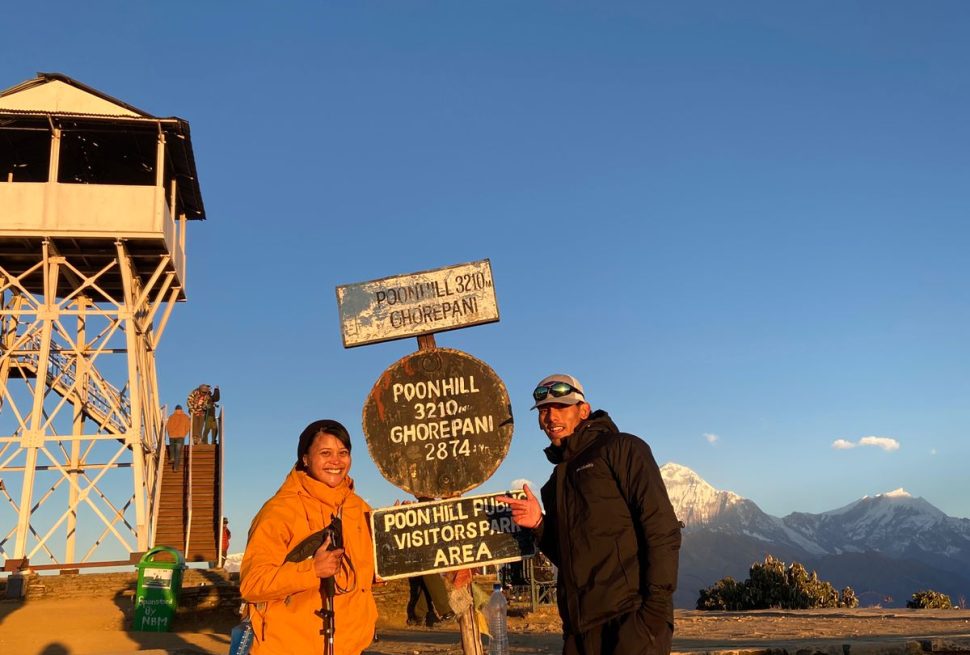
The Poon Hill Trek sits at the very top of the list for anyone new to trekking or with limited fitness. It typically takes four to five days, with a maximum altitude of around 3,210 meters at Poon Hill itself. The trail passes through charming Gurung and Magar villages, rhododendron forests, and stone-paved staircases that are steep but short in duration each day. Trekkers of almost any age can complete this route with basic daily walking habits and a few weeks of light preparation. Sunrise views over Annapurna and Dhaulagiri from Poon Hill make the modest effort feel enormously rewarding.
Khopra Ridge or Mardi Himal for Moderate Beginners
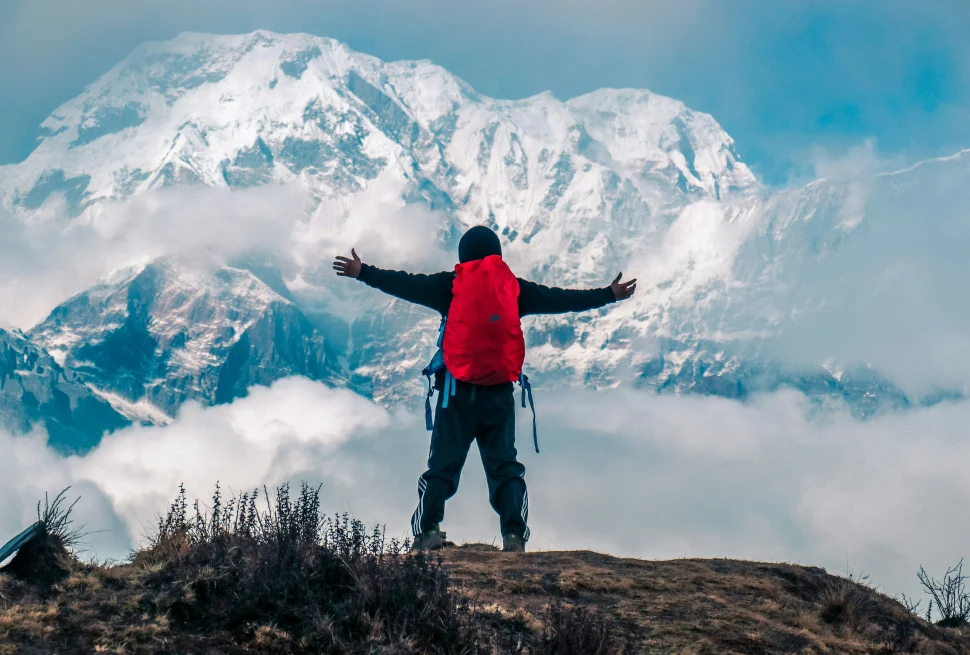
For those who want slightly more challenge without jumping straight into high-altitude territory, the Mardi Himal Trek or Khopra Ridge Trek fit the bill nicely. Both routes climb closer to 4,000 to 4,500 meters but spread the ascent across several days, which keeps the daily effort manageable. Mardi Himal offers a quieter, less crowded trail than many popular routes, and its final viewpoint delivers close-up views of the Annapurna massif. Khopra Ridge combines forest trails, remote villages, and a stunning ridge walk that rewards steady, moderate hikers. Trekkers with average fitness who walk regularly, even without gym training, generally handle these routes well.
Moderate Treks in Nepal for Intermediate Fitness Levels
Once your fitness improves or you already have some trekking experience under your belt, moderate treks in Nepal open up a much wider range of options. These routes typically last one to two weeks, climb above 4,000 meters, and require six to seven hours of daily walking on rougher terrain. Choosing the right trek in Nepal at this fitness level means you should already be comfortable with multi-day hikes and basic altitude exposure. Good sleep habits, proper hydration, and a steady walking pace become just as important as raw strength here.
Annapurna Base Camp Trek – The Balanced Choice
The Annapurna Base Camp Trek strikes a near-perfect balance between accessibility and adventure, which is why it remains one of the most booked routes at TrekkersTrekNepal. The trail climbs to 4,130 meters over roughly seven to twelve days, passing through diverse landscapes that shift from subtropical forest to alpine terrain within a single trek. Daily walking hours sit around five to seven hours, with several shorter days built in for acclimatization. Trekkers with a solid base fitness level and some prior hiking experience usually complete this route without major struggle. The reward at the end, standing inside a natural amphitheater surrounded by towering peaks, justifies every step of the climb.
Langtang Valley Trek – Moderate Difficulty, High Reward
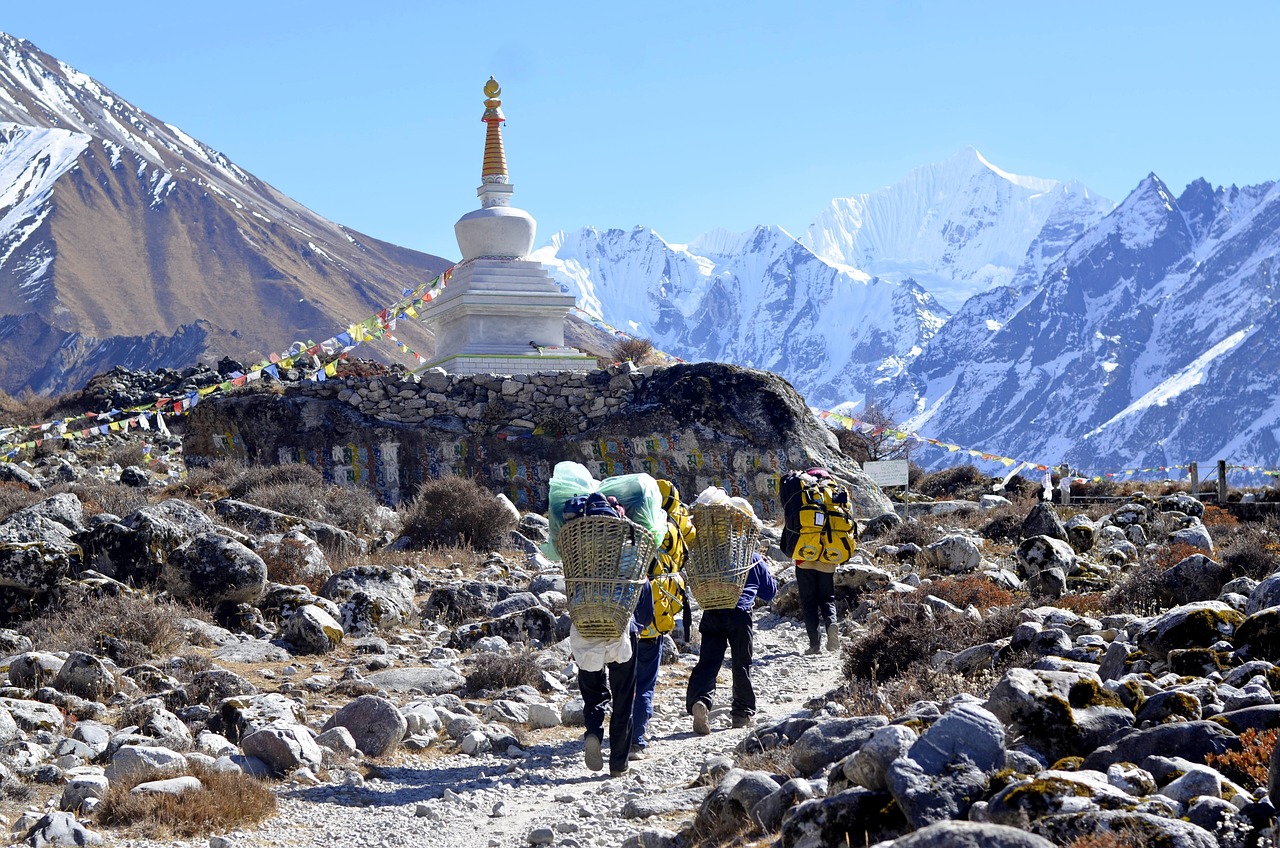
Closer to Kathmandu than most other major routes, the Langtang Valley Trek offers a shorter time commitment while still delivering genuine high-altitude scenery. The trek reaches around 3,870 meters at Kyanjin Gompa and typically takes seven to eight days round trip. Trail conditions include rocky paths, suspension bridges, and a few genuinely steep sections, so intermediate fitness serves you well here. Because the region rebuilt significantly after the 2015 earthquake, the local communities welcome trekkers warmly and share a resilience that adds depth to the whole experience. If your schedule is tight but your fitness level is solid, Langtang gives you Himalayan grandeur without the multi-week time investment of longer routes.
Challenging Treks in Nepal for High Fitness Levels
For trekkers with strong cardiovascular fitness, prior high-altitude experience, and mental toughness, Nepal’s challenging treks deliver some of the most unforgettable adventures on the planet. Choosing the right trek in Nepal based on your fitness level at this stage means being honest about long daily walking hours, extreme cold, and altitudes that regularly exceed 5,000 meters. These routes demand serious pre-trek training, often including hill running, weighted hiking, and dedicated cardio sessions for at least two to three months beforehand. Guides and porters become essential partners rather than optional extras at this level of difficulty.
Everest Base Camp Trek – The Iconic High-Altitude Challenge
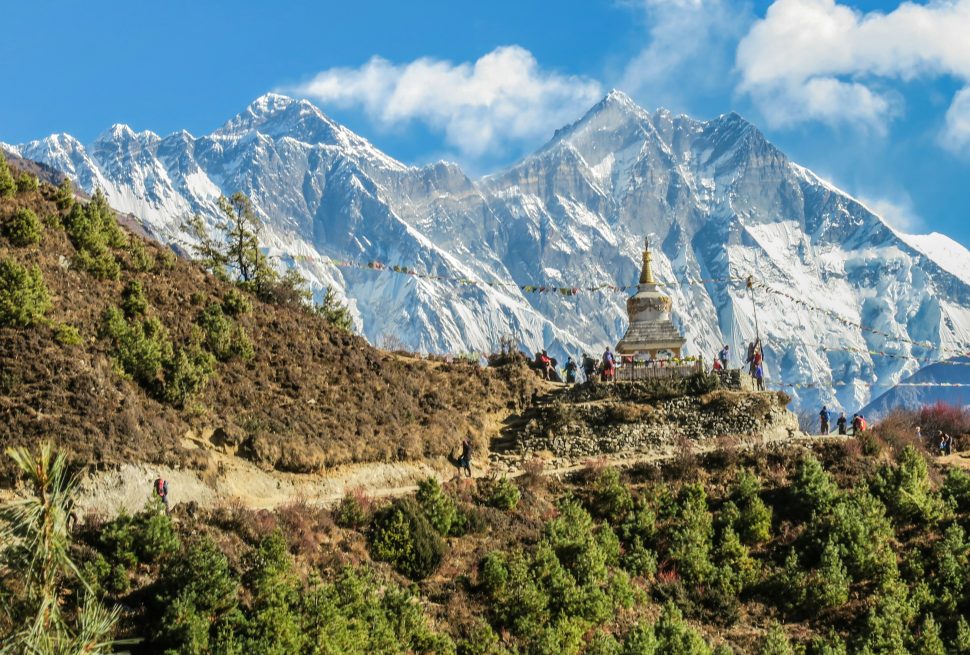
No discussion of demanding treks in Nepal is complete without the Everest Base Camp Trek, which climbs to 5,364 meters over twelve to fourteen days. The trail includes long ascending days, thin air that makes even simple tasks feel harder, and unpredictable weather that can shift within hours. Trekkers should arrive with strong cardiovascular endurance, some previous experience above 3,500 meters, and realistic expectations about slow, deliberate walking paces near the top. Proper acclimatization days built into the itinerary matter enormously and should never get skipped to save time. Reaching Kala Patthar at sunrise, with Everest and its neighboring giants glowing gold, remains one of the most talked-about moments among everyone who completes this route.
Manaslu Circuit Trek – Remote and Demanding
The Manaslu Circuit Trek offers a quieter, more remote alternative to Everest with equally demanding terrain. This route crosses the Larke La Pass at 5,160 meters, often in freezing early morning conditions, after two to three weeks of steady walking through remote villages and dramatic gorges. Trekkers need restricted area permits here, along with a licensed guide, which adds a layer of planning beyond the standard trekking routes. Strong legs, solid altitude tolerance, and cold-weather resilience all matter more on this trek than on almost any other route in Nepal. Trekkers who complete Manaslu often describe it as more raw and untouched than the busier Everest and Annapurna trails.
How to Choose the Right Trek in Nepal Based on Your Fitness Level: Tips and Preparation
Matching your fitness level to the right trek in Nepal is not a one-time decision made from a couch. It requires ongoing training, honest self-checks, and support from people who know the mountains well. Even experienced trekkers benefit from a structured preparation plan before tackling any route above 4,000 meters. The following sections break down exactly how to train and who to trust with your itinerary.
Training Timeline Before Your Trek
Give yourself a realistic runway before any Nepal trek, ideally eight to twelve weeks for moderate routes and twelve to sixteen weeks for challenging ones. Start with three cardio sessions a week, then gradually add hill walking with a loaded backpack to mimic real trail conditions. Strength training for your legs, core, and back reduces injury risk and makes daily ascents feel noticeably easier. Practice hikes on local trails, even short ones, help condition your joints for the repetitive impact of Himalayan staircases. Track your progress honestly, and adjust your chosen trek if your training reveals limitations you did not expect.
Working With a Trusted Trekking Company
A knowledgeable local trekking company changes the entire equation when you are choosing the right trek in Nepal based on your fitness level. Experienced guides read altitude symptoms early, adjust daily pacing on the fly, and know which villages offer the best rest stops for your specific condition. At TrekkersTrekNepal, our guides have spent years walking these same trails in every season, which means they recommend routes based on your real fitness rather than a generic itinerary. Working with people who have genuine on-ground experience protects you from common mistakes like overpacking your schedule or ignoring early warning signs of altitude sickness. A trustworthy operator also handles permits, accommodation, and emergency planning, so you can focus entirely on the walk itself.
Final Thoughts on Picking the Right Trek in Nepal for Your Fitness Level
Choosing the right trek in Nepal based on your fitness level protects your body, your budget, and your memories of the Himalayas. Beginners do best on short, scenic routes like Poon Hill or Mardi Himal, intermediate trekkers thrive on Annapurna Base Camp or Langtang Valley, and seasoned hikers can push toward Everest Base Camp or Manaslu Circuit. Whatever your current fitness level, an honest assessment today saves you from an exhausting or even dangerous trek tomorrow. Nepal rewards patience and preparation far more than bravado, and the right trail always feels achievable rather than punishing.
Ready to plan a trek that actually fits your fitness level?
- Talk to a real trekking expert: Reach out to TrekkersTrekNepal for a free fitness-based trek recommendation before you book anything.
- Call our trek advisors: Speak directly with our Kathmandu-based team to discuss your training progress and pick the right route together.
- Transparent pricing: Treks with TrekkersTrekNepal typically range from $450 for short routes like Poon Hill to $1,600 for extended expeditions like Manaslu Circuit, all inclusive of permits and licensed guides.
- Custom itineraries available: Ask about combining routes such as Annapurna Sanctuary with a short add-on trek if your fitness allows extra days.
- Explore more routes: Browse Upper Mustang, Gokyo Lakes, Kanchenjunga Base Camp, Nar Phu Valley, Tsum Valley, Rara Lake, Upper Dolpo, Annapurna Circuit, and Everest Three Passes to find your next adventure once you have matched your fitness level to your first trek.