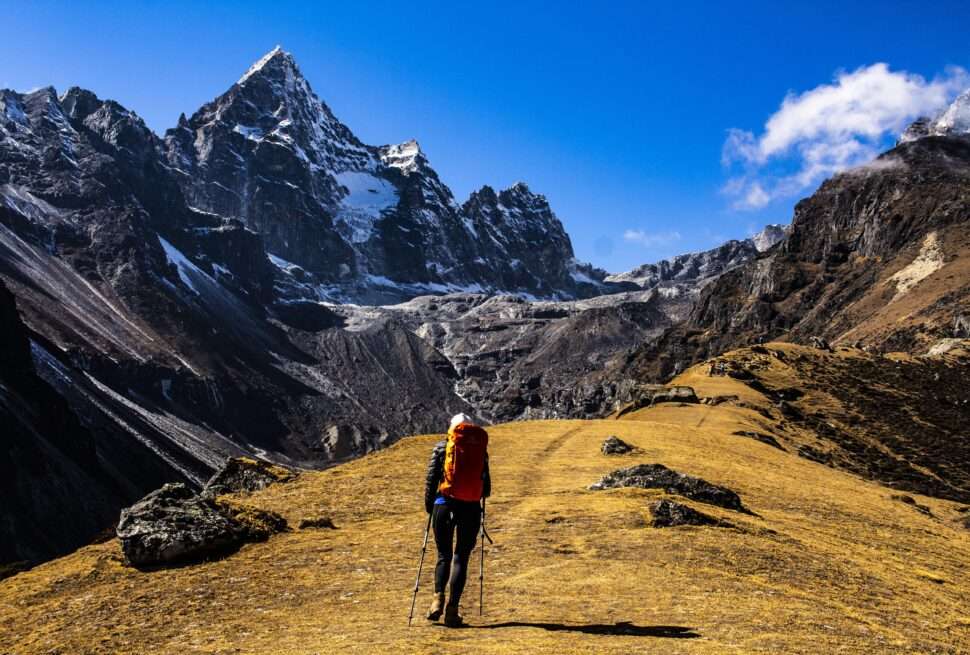

Nepal, home to the world’s highest peaks and most breathtaking landscapes, is a trekker’s paradise. With its diverse terrain, rich cultural heritage, and stunning Himalayan views, trekking in Nepal offers an unparalleled adventure for both seasoned trekkers and beginners. Whether you’re looking for high-altitude challenges or more leisurely trails, Nepal has something for everyone. Here’s why trekking in Nepal should be at the top of your adventure list.
Why Trekking in Nepal is Unique
- The Himalayas: A Trekker’s Dream
- Nepal is home to 8 of the 14 highest peaks in the world, including Mount Everest (8,848 meters), Kanchenjunga, and Annapurna. Trekkers are treated to spectacular views of these towering giants at every turn, with trails that take you right into the heart of the Himalayas.
- Cultural Immersion
- Trekking in Nepal is not just about the landscapes; it’s also an immersive cultural experience. Many trails pass through remote villages where trekkers can experience the local way of life, sample traditional Nepalese food, and interact with the Sherpa, Tamang, Gurung, and other ethnic communities.
- Trekking routes often lead to ancient monasteries and stupas, offering spiritual encounters and insights into Tibetan Buddhism and Hindu traditions.
- Variety of Trekking Routes
- Nepal offers a wide range of trekking experiences, from the challenging high-altitude expeditions like the Everest Base Camp Trek and the Annapurna Circuit to more moderate and family-friendly treks like the Ghorepani Poon Hill Trek and Langtang Valley Trek.
- Trekkers can choose short, 4–7 day hikes, or longer treks that last over two weeks, depending on their preferences and fitness levels.
Top Trekking Destinations in Nepal
- Everest Base Camp Trek
- This iconic trek takes adventurers to the base of the world’s highest peak, Mount Everest. Along the way, you’ll experience Sherpa culture, visit ancient monasteries, and enjoy spectacular mountain vistas.
- Duration: 12–14 days
- Max Altitude: 5,364 meters (Everest Base Camp)
- Annapurna Circuit Trek
- One of the most popular treks in Nepal, the Annapurna Circuit offers diverse landscapes ranging from subtropical forests to alpine deserts, with the breathtaking Thorong La Pass (5,416 meters) being the highest point of the trek.
- Duration: 14–21 days
- Max Altitude: 5,416 meters (Thorong La Pass)
- Ghorepani Poon Hill Trek
- Perfect for families and beginners, this short and relatively easy trek provides stunning sunrise views over the Annapurna and Dhaulagiri ranges from the famous Poon Hill viewpoint.
- Duration: 4–5 days
- Max Altitude: 3,210 meters (Poon Hill)
- Langtang Valley Trek
- Located close to Kathmandu, the Langtang Valley Trek offers breathtaking views of Langtang Lirung, rich wildlife, and the opportunity to explore Tibetan-influenced villages.
- Duration: 7–10 days
- Max Altitude: 4,984 meters (Tserko Ri)
- Upper Mustang Trek
- Known as the “Forbidden Kingdom”, Upper Mustang takes trekkers through arid, desert-like landscapes, colorful cliffs, and ancient Tibetan monasteries. This culturally rich trek is ideal for those seeking an off-the-beaten-path adventure.
- Duration: 10–14 days
- Max Altitude: 3,800 meters (Lo Manthang)
When to Trek in Nepal
The best time to trek in Nepal largely depends on the region and altitude you’re exploring. The autumn season (September to November) is considered the best for trekking, with clear skies, mild temperatures, and stable weather. The spring season (March to May) is also excellent, with blooming rhododendron forests adding vibrant color to the trails. While winter (December to February) is less crowded, it can be cold at higher altitudes, and monsoon (June to August) brings rain and potential trail closures in certain regions.
What to Expect on a Trek in Nepal
- Teahouse Trekking
- Most popular trekking routes in Nepal follow the teahouse trekking model, where trekkers stay in basic lodges or guesthouses along the trail. These teahouses offer simple rooms, hearty meals, and a chance to connect with fellow travelers.
- Trekking Permits
- To trek in Nepal, you’ll need permits such as the TIMS card (Trekkers’ Information Management System) and conservation area permits (like ACAP for Annapurna or Sagarmatha National Park entry for Everest). These permits are necessary to enter national parks and trekking regions.
- Guides and Porters
- While many trekking routes are well-marked, hiring a local guide can enhance your experience by providing valuable insight into the culture, geography, and history of the region. Porters can be hired to carry heavy loads, making the trek more enjoyable for those who prefer to hike light.
Is Trekking in Nepal Right for You?
Whether you’re an experienced trekker or a first-time hiker, there’s a trail in Nepal for you. The key is to choose a trek that matches your fitness level, timeframe, and interests. With its awe-inspiring scenery, welcoming people, and unforgettable experiences, trekking in Nepal is truly an adventure of a lifetime.
At Majestic Trails Nepal, we offer personalized trekking packages to suit every kind of traveler. Whether you’re looking for a short family-friendly hike or an epic journey to Everest Base Camp, we can help you plan your perfect trek. Contact us today to start your adventure in the Himalayas!